Project Name
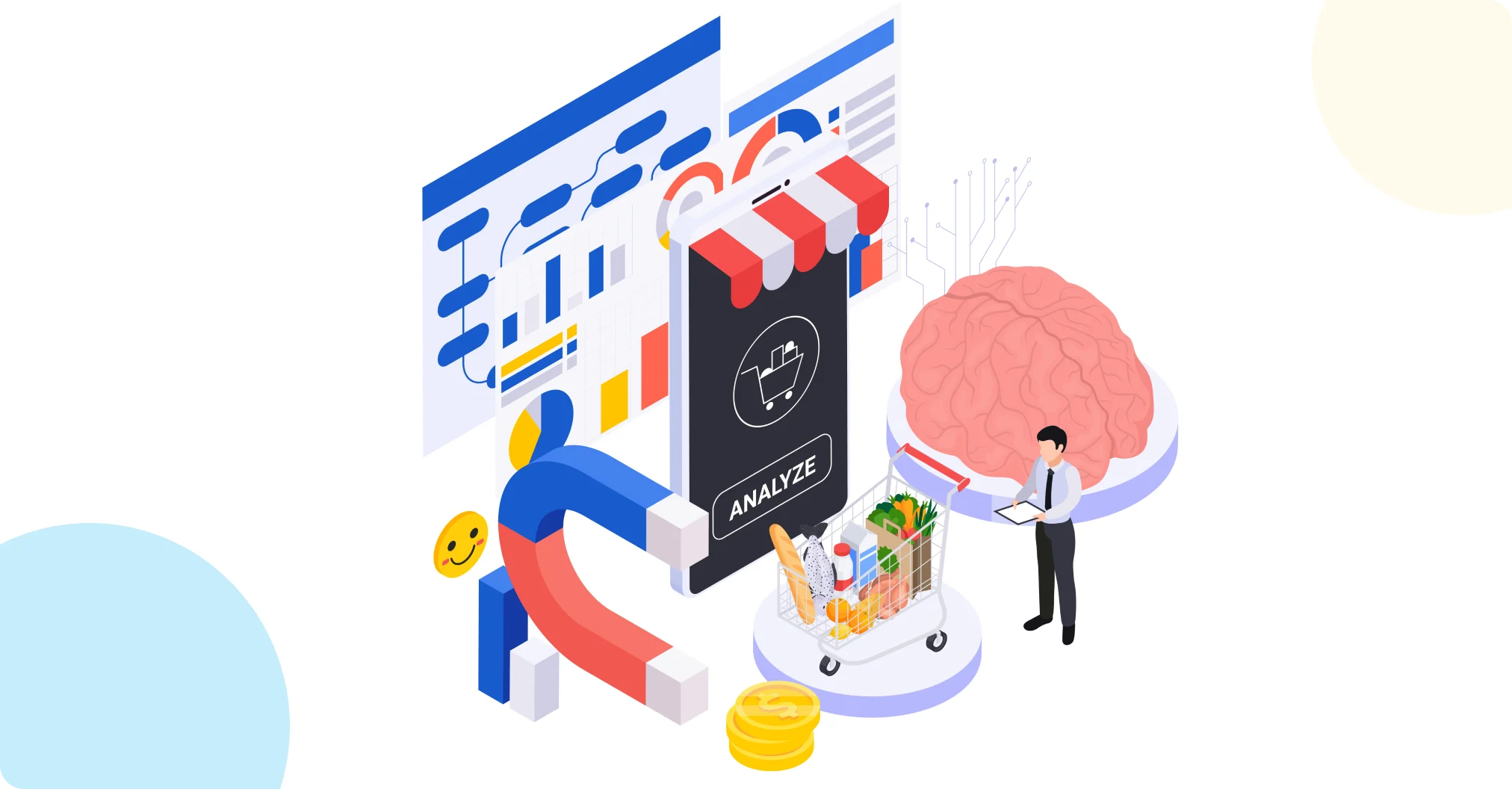
AI-Powered Retail Shelf Analytics and Compliance System


A large retail enterprise operating across multiple store locations relied heavily on manual shelf audits to ensure product availability, correct facings, pricing accuracy, and planogram compliance. Store staff and third-party auditors physically inspected shelves, recorded observations, and submitted reports for centralized review.
This manual approach was costly, slow, and error-prone. Audit reports often took days to reach decision-makers, making it difficult to respond to shelf outages or competitive misplacements promptly. As a result, stock-outs went unnoticed for extended periods, incorrect facings reduced brand visibility, and pricing mismatches impacted customer trust.
The retailer required a scalable & automated solution that could continuously monitor shelves, identify compliance issues in near-real time, and integrate insights directly into operational systems such as POS and CRM.
Ksolves implemented an AI-powered shelf image analytics platform that transformed shelf auditing from a reactive, manual process into a proactive, data-driven operation.
The challenges faced by the client are as follows:
- High Cost of Manual Audits: Frequent physical audits across hundreds of store aisles required significant manpower and third-party audit expenses, increasing operational costs.
- Error-Prone Reporting: Manual shelf assessments had error rates of up to 20%, leading to unreliable compliance data and missed issues.
- Delayed Issue Detection: Shelf outages, incorrect facings, and misplaced products were often detected days after occurrence, resulting in lost sales opportunities.
- Limited Visibility Across Stores: Central teams lacked a real-time, unified view of shelf conditions across multiple locations.
- Inconsistent Planogram Compliance: Variations in product placement and facings reduced brand consistency and promotional effectiveness.
- Disconnected Systems: Audit findings were not directly linked to POS or CRM systems, delaying corrective actions such as replenishment or store-level task assignment.
The solutions provided by Ksolves are as follows:
- AI-Enabled Shelf Image Capture: Store shelves were captured using mobile devices and in-store cameras, enabling consistent image collection across locations.
- Computer Vision-Based Shelf Analytics: Deep learning models analyzed shelf images to detect out-of-stock items, incorrect facings, misplaced products, and planogram deviations with high accuracy.
- Pricing and Label Verification: The system automatically identified pricing mismatches between shelf labels and configured product data.
- Near-Real-Time Dashboards: AI insights were visualized through centralized dashboards, providing store managers and central teams with actionable, location-wise visibility.
- POS and CRM Integration:Shelf analytics were integrated with POS and CRM systems to trigger replenishment alerts and store-level tasks, and performance tracking.
- Exception-Driven Workflow: Primarily flagged issues required human intervention, allowing staff to focus on resolution rather than inspection.
The AI-powered shelf analytics solution delivered measurable improvements within the first three months:
- Improved Shelf Compliance: Automated image-based audits significantly increased shelf compliance, ensuring correct product placement, facings, and pricing consistency across stores.
- Faster Stock-Out Detection: AI-driven shelf monitoring enabled 50% faster detection of stock-outs*, allowing timely replenishment and reducing missed sales opportunities.
- Lower Audit Overhead: By eliminating frequent manual inspections, the retailer reduced audit dependency and operational effort, freeing store staff to focus more on customer engagement.
- Stronger In-Store Execution: Central teams gained near-real-time visibility into shelf conditions across locations, improving responsiveness to planogram deviations and execution gaps.
By deploying an AI-driven shelf image analytics platform, our team enabled the retail enterprise to shift from manual, delayed audits to continuous, real-time shelf intelligence. The solution improved compliance accuracy, accelerated issue resolution, and delivered measurable revenue and cost benefits.
This implementation leveraged Computer Vision Services to accurately interpret shelf images, detect compliance gaps, and monitor product availability at scale.
The intelligence layer was further enhanced through Deep Learning Services, allowing the system to learn from diverse shelf layouts, improve detection accuracy over time, and adapt to changing product assortments and store formats.
Together, these capabilities helped the retailer build a scalable foundation for advanced in-store analytics, supporting future use cases such as promotional compliance tracking and competitive shelf monitoring.
Get Gain Real-Time Visibility Into Shelf Compliance, Inventory Gaps, and In-Store Execution.