Project Name
AI-Accelerated Accessibility Compliance Audit and Remediation
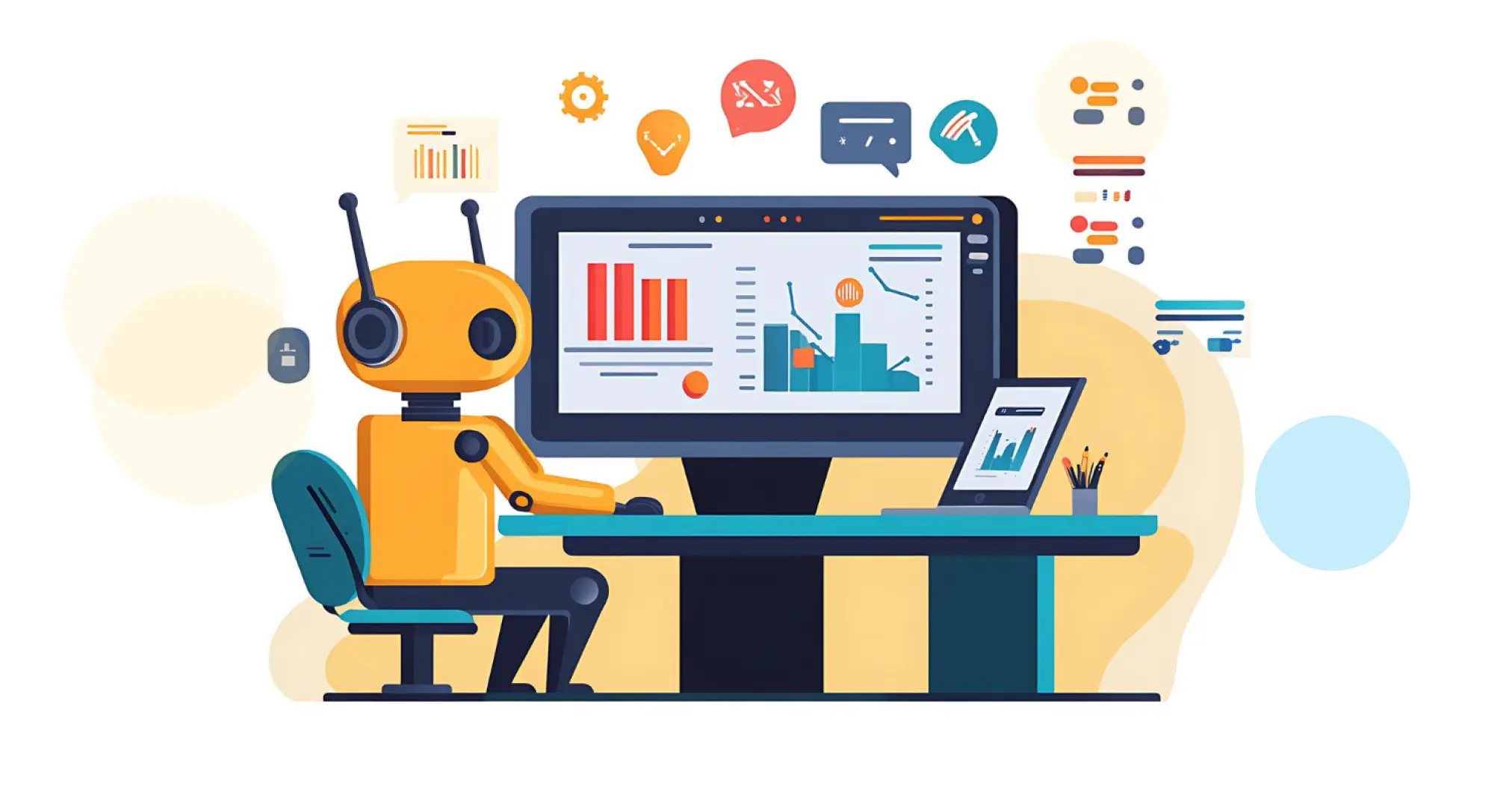

As an AI-first company, Ksolves brings artificial intelligence into every stage of problem-solving, including those that traditionally consume the most time.
A software client approached Ksolves with an urgent problem. They had a fully built application ready for the US market, but it was failing accessibility compliance. Without meeting the required standards, they could not launch.
In the US, applications must be accessible to people with disabilities. This includes compatibility with screen readers, software that reads on-screen content aloud for users who cannot see it. The client’s application lacked this support entirely. Labels were missing, dynamic announcements were absent, and entire components were invisible to screen readers.
The application had not been built by Ksolves, which meant the team had no prior knowledge of the codebase. A manual, component-by-component review to identify every non-compliant element would have taken weeks. The client did not have weeks to spare.
Ksolves used AI to change that equation entirely.
The challenges faced by the client are as follows:
- Pre-existing Codebase with No Accessibility Foundation: The application was already built and had not been developed with accessibility in mind. There was no baseline compliance, and no internal documentation flagging known gaps.
- Unknown Scope of Non-Compliance: Because the codebase was unfamiliar to the team, manually identifying every missing label, broken ARIA attribute, and screen-reader-incompatible component would have required extensive time and risked missed issues.
- Time-Sensitive Market Entry: The client was under pressure to launch in the US. Delays in achieving certification meant delayed revenue and a competitive disadvantage.
- Risk of Discovering Issues Mid-Remediation: In a traditional manual audit, teams often uncover new issues as they fix existing ones. This unpredictability extends timelines and increases project risk.
Ksolves brought AI into the audit phase before any remediation work began, using it to create a complete, structured map of all compliance gaps across the codebase.
- AI-Powered Codebase Audit: The team ran the full codebase through Claude, prompting it to identify every element lacking accessibility support. This included missing labels, absent ARIA announcements, components that screen readers could not interpret, and any interaction patterns that violated WCAG guidelines. The AI produced a comprehensive, prioritized list of issues across the entire application.
- Full Visibility Before First Fix: Rather than discovering problems as work progressed, the team had a complete picture of the problem from day one. Every gap was known and mapped before a single line of code was changed. This eliminated guesswork and allowed for structured, predictable remediation planning.
- Structured Remediation Execution: With the audit complete, developers worked through a clear, prioritized checklist. Each fix was targeted and intentional. The team did not go in blind, which meant faster execution, fewer surprises, and higher confidence in the completeness of the remediation.
- Compliance Verification: Once remediation was complete, the fixes were validated against accessibility standards to ensure the application met certification requirements before submission.
- Audit Time Cut by Weeks: What would have taken weeks of manual review was completed significantly faster using AI, allowing the team to move into remediation almost immediately.
- Complete Issue Coverage from Day One: The AI audit surfaced every non-compliant element across the codebase, including issues that would likely have been missed or discovered late in a manual review process.
- Client Achieved Accessibility Certification: The application passed compliance requirements and received the certification needed to launch in the US market.
- On-Time Market Entry: The client launched as planned, without the delays that a traditional audit-and-remediation cycle would have caused.
- Reduced Project Risk: Full upfront visibility into the problem eliminated the unpredictability typically associated with remediating unfamiliar codebases.
This engagement is a clear example of what it means to operate as an AI-first company. Ksolves did not simply apply AI to speed up a known process but used AI to reframe the problem entirely, turning a weeks-long audit into a structured, predictable, fast-moving remediation effort.
By using AI to audit an unfamiliar, non-compliant codebase, Ksolves gave the client complete clarity before the work even began. The result was a faster, lower-risk remediation process and a successful launch in one of the world’s most compliance-demanding markets.
As a trusted AI and ML Consulting company, Ksolves continues to lead with AI across engineering, compliance, and product development engagements, helping clients move faster, reduce risk, and solve problems that once felt far harder than they needed to be.
Solve Your Toughest Tech Challenges with AI