Project Name
How Ksolves Helped North America's Largest Oilfield Fueling Provider Unify Data with Azure Databricks

North America’s largest oilfield-only fueling solutions provider had a data problem. Their business ran across 9 different systems, including TKO, Samsara, QuickBooks, and Enverus, but none of them were connected. Every time someone needed a report, they had to pull data manually from multiple systems, piece it together, and hope the numbers were still accurate by the time anyone looked at them.
The client is a B2B oilfield fueling company operating across North America. They manage fuel dispatch, logistics, accounting, and workforce data across multiple departments every day. As the business grew, the problem got worse. Key departments like HR, Accounting, and Recruitment had no access to reporting at all.
They needed one place for all their data, something that could update automatically, serve every team, and make reporting easy. That is what Ksolves, an AI-first company, built for them.
The client came to Ksolves with four problems that were holding the business back:
- Data Spread Across 9 Systems: The client's data came from TKO, Smart Tank (FTP files), Samsara, Enverus, QuickBooks, Lightship, Stream, REST APIs, and Parquet/CSV files. None of these systems talked to each other. Getting any cross-department view meant pulling from all of them manually.
- Everything Was Done by Hand: There were no automated pipelines. Every report required someone to manually collect data, combine it, and check it for errors. It was slow and left a lot of room for mistakes.
- No Central Data Storage: The company had no data warehouse. There was no single place where all the data lived together. Every team was working off its own version of the truth.
- Some Departments Had No Data at All: HR, Accounting, and Recruitment were not connected to any reporting system. People in these teams were making decisions without reliable data to back them up.
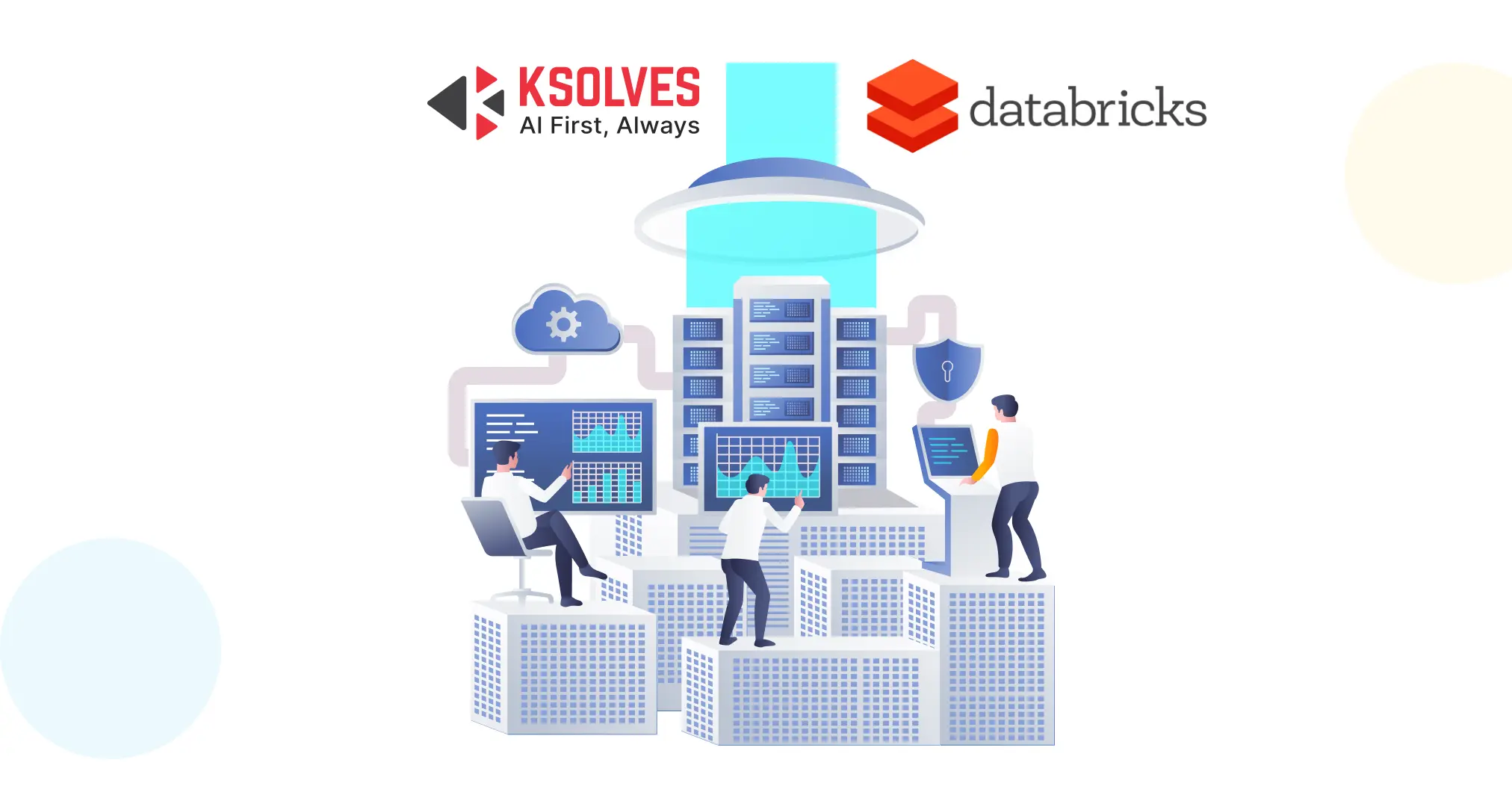
Ksolves built a centralized data platform on Microsoft Azure using Azure Databricks. The goal was simple: bring all the data together, automate the pipelines, and give every team access to clean, up-to-date reports.
- One Central Place for All Data: Ksolves set up Azure Data Lake Storage Gen2 as the foundation. All 9 data sources now flow into one secure location automatically, instead of sitting in separate systems.
- Automated Data Pipelines: Using Azure Data Factory (ADF), Ksolves built pipelines that collect and process data from every source on a schedule. No more manual data pulling. Everything runs automatically.
- Databricks Medallion Architecture (Bronze, Silver, Gold): Data moves through three layers inside Databricks. Raw data comes in at the Bronze layer. It gets cleaned and standardized in the Silver layer. By the time it reaches the Gold layer, it is ready for reporting and analysis. Every team works from the same clean, reliable data.
- Near Real-Time Reporting with ODS: Ksolves built an Operational Data Store (ODS) layer that refreshes data frequently throughout the day. Reporting latency dropped from days to under 15 minutes, giving operations teams the information they need to make decisions the same day.
- Power BI Dashboards for Every Team: A full Power BI reporting suite was built and rolled out across all departments. HR, Accounting, Recruitment, Field Operations, and Logistics all got dashboards built for their specific needs. Ksolves also ran training sessions to help teams get started.
- Route Optimization with Machine Learning: The clean Gold layer data now feeds machine learning models that help optimize fuel delivery routes. This gives the business a tool to reduce delivery costs over time.
- Security Built In: Azure Key Vault manages all credentials and secrets. Azure VNet keeps the entire platform isolated and protected at the network level.
Technology Stack
| Component | Details |
|---|---|
| Lakehouse Platform | Azure Databricks, Medallion Architecture (Bronze, Silver, Gold) |
| ETL Orchestration | Azure Data Factory (ADF) |
| Storage | Azure Data Lake Storage Gen2 |
| Table Format | Apache Delta Lake |
| Reporting | Microsoft Power BI |
| ODS Layer | Near real-time reporting, sub-15-minute latency |
| ML | Route optimization models on Gold layer |
| Security | Azure Key Vault, Azure VNet |
| Source Systems | TKO, Smart Tank (FTP), Samsara, Enverus, QuickBooks, Lightship, Stream, REST APIs, Parquet, CSV |
The new platform made an immediate difference across the business:
- 20+ Hours of Manual Work Saved Every Week: Automated pipelines replaced the manual data collection process across all 9 systems. The team no longer spends hours every week pulling and combining data by hand.
- Every Department Now Has Reporting: HR, Accounting, Recruitment, Field Operations, and Logistics all have access to live dashboards for the first time. Everyone is working from the same data.
- Reports Now Ready in Under 15 Minutes: What used to take days now takes under 15 minutes. Operations teams can see fuel volumes, route performance, and inventory levels the same day, not days later.
- One Source of Truth for the Whole Business: All 9 data sources are unified into a single, governed data model. There is no more confusion about which numbers are correct.
- Smarter Delivery Routes: Machine learning models are now running on clean, reliable data. The business can identify route optimization opportunities and reduce delivery costs in ways that were not possible before.

“Before Ksolves, every report was a project. Someone had to pull from TKO, then QuickBooks, then Samsara, put it all together by hand, and hope nothing had changed by the time they were done. Now our ops team has a live dashboard that shows the whole picture. We have only been on the platform a few months and we have already changed how we make dispatch decisions.”
— VP of Operations, North America’s Largest Oilfield Fueling Provider
Ksolves, with its AI-first delivery approach, brought all the data together. By building an Azure Databricks Medallion Lakehouse across 9 source systems, the client went from manual, fragmented reporting to a single automated platform that every department can use.
The business now saves 20+ hours of manual work every week, gets reports in under 15 minutes, and has a reliable data foundation for route optimization and future growth. As the client grows, the platform grows with it. No rebuilding required.
For oil and gas businesses managing data across multiple systems, explore Ksolves Databricks Consulting Services and find out how a unified data platform can work for your operations.
Running Your Business Across Multiple Data Systems with No Single Source of Truth?