



Agentic AI and Cybersecurity: Challenges and Key Considerations
AI
5 MIN READ
December 16, 2025

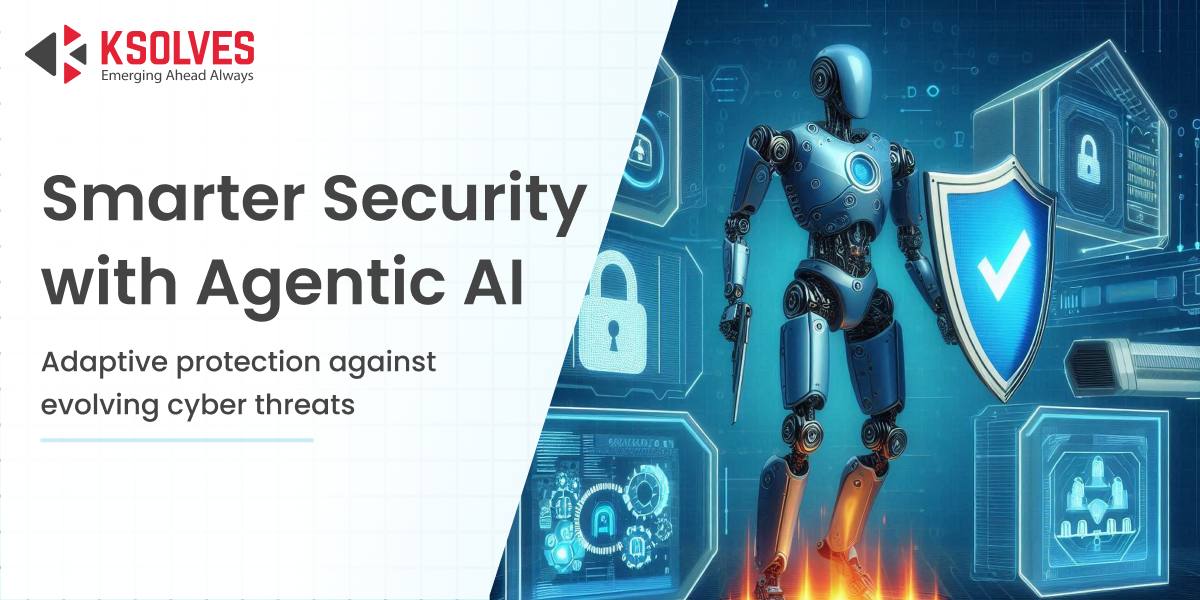
The intersection of artificial intelligence and cybersecurity is rapidly evolving. As organizations face increasing cyber threats, AI-driven security solutions are becoming essential. One key player in this shift is agentic AI, systems designed to autonomously make decisions and take actions in response to potential threats. Unlike traditional rule-based cybersecurity tools such as SIEM and SOAR, which depend on predefined logic and human-triggered workflows, agentic AI can independently analyze context, adapt to evolving attack patterns, and execute mitigation without requiring manual intervention. This distinction positions agentic AI as a more proactive and adaptive layer within modern security ecosystems.
While agentic AI offers several advantages for cybersecurity, it also introduces unique challenges and considerations that require careful attention.
What is Agentic AI in Cybersecurity?
Agentic AI refers to AI systems capable of autonomous decision-making and action. These systems not only identify threats but also respond in real-time without human intervention. In cybersecurity, agentic AI can:
- Detect malicious activity
- Respond to threats
- Prevent future breaches through adaptive learning
Agentic AI uses machine learning (ML) models to analyze vast amounts of data, identify anomalies, and mitigate risks. These systems adapt to new threats as they emerge, constantly refining their responses to improve security measures.
Integration Challenges
While agentic AI offers many benefits, integrating it into cybersecurity strategies presents several challenges. Let’s explore some of the most significant hurdles:
- Data Privacy and Security
Agentic AI systems rely on large datasets to train and improve their performance. This data often includes sensitive information, raising concerns about data privacy. AI systems must ensure that personal or confidential data is handled securely to avoid potential breaches. Additionally, organizations must comply with strict regulatory frameworks such as GDPR for data protection, HIPAA for healthcare information, and PCI DSS for payment data security. These regulations significantly influence how agentic AI models collect, store, process, and use sensitive data. - False Positives
AI-driven systems are designed to detect anomalies, but they may occasionally flag benign activities as threats. These false positives can overwhelm security teams, leading to unnecessary interventions. Minimizing false positives requires continuous tuning of AI algorithms, which can be time-consuming and complex. - Lack of Transparency
Many AI models, especially deep learning algorithms, are often considered “black boxes.” This lack of transparency makes it difficult for cybersecurity professionals to understand why certain decisions are made by the system. In situations where the AI’s actions could have serious consequences, such as blocking access to critical systems, the absence of a clear rationale becomes a problem. - Ethical Concerns
Agentic AI systems that make autonomous decisions can introduce ethical dilemmas. For instance, if an AI system wrongly identifies an employee’s access as malicious and blocks it, this can disrupt operations. Balancing security needs with ethical considerations becomes critical. - Complex Integration
Integrating AI into existing cybersecurity infrastructure can be complex. Many organizations already have security protocols in place, which may not align with AI-driven processes. This creates integration challenges, often requiring organizations to rework parts of their security framework to accommodate AI technology. The problem is further amplified by API incompatibility and the lack of standardized threat schemas, which make it difficult for AI systems to communicate effectively with legacy tools and existing security platforms. - Evolving Threats
Cyber threats are constantly evolving, making it challenging for AI systems to stay ahead. While agentic AI can adapt to new threats, the rapid pace of cybercriminal innovation means that AI systems must be constantly updated and trained to remain effective.
Key Considerations for Implementing Agentic AI in Cybersecurity
To successfully implement agentic AI in your cybersecurity strategy, consider the following:
- Performance Oversight and Feedback Management
Implement continuous monitoring to track the AI system’s performance. Establish feedback loops that allow the AI to learn from past decisions and adapt to new threats. This iterative process ensures that the AI system remains effective in real-world environments. - Data Governance
Ensure that your organization follows robust data governance practices. Establish clear protocols for handling sensitive data and ensure that AI systems comply with privacy regulations, such as GDPR. Secure data storage, encryption, and anonymization techniques should be applied to protect against breaches. - Collaboration Between AI and Human Experts
While agentic AI is designed to act autonomously, it is crucial for human cybersecurity experts to work alongside AI systems. Collaboration between AI and humans ensures that any ambiguous threats or ethical dilemmas are appropriately addressed. Humans can also step in when AI’s decision-making may be uncertain. - Regular Updates and Training
Given the evolving nature of cyber threats, regular updates to AI systems are essential. Continuous training with new data helps AI adapt to emerging threats. Staying current with the latest developments in cybersecurity and AI technologies is critical to maintaining a strong defense. - Transparency in Decision-Making
Opt for AI systems that provide insight into their decision-making processes. While some level of opacity may be unavoidable, choose systems that offer enough transparency to allow for informed decisions, especially in high-stakes situations. This ensures accountability and trust in the system’s actions. - Scalability
Ensure that the AI system is scalable and capable of handling growing volumes of data as your organization expands. Scalability is essential for long-term success, as cyber threats will only become more complex, requiring AI systems to adapt and scale accordingly.
Why Partner with Ksolves for AI and ML Consulting Services?
At Ksolves, we specialize in AI and ML professional services that can help you integrate agentic AI into your cybersecurity infrastructure. Our team of experts can guide you through the process of implementing advanced AI-driven security solutions tailored to your organization’s unique needs. Whether you’re looking to enhance threat detection, automate response mechanisms, or protect sensitive data, Ksolves can provide the expertise and support needed to succeed.
With our proven track record and deep understanding of AI and machine learning, we are equipped to help you navigate the challenges and opportunities of agentic AI in cybersecurity.
Conclusion
Agentic AI has the potential to revolutionize cybersecurity by improving threat detection, response times, and overall security resilience. However, integrating AI into your security strategy requires careful consideration of data privacy, system transparency, and ongoing training. By addressing these challenges and partnering with experts like Ksolves, you can harness the full potential of agentic AI while maintaining a robust cybersecurity posture.































Author
About the Author Editorial Team The Ksolves Editorial Team includes certified Salesforce experts, Big Data engineers, AI/ML specialists, Zoho consultants, and experienced technology writers focused on delivering clear, actionable insights for modern businesses. With hands-on experience across Salesforce, Big Data platforms, AI/ML solutions, application development, software testing, and Zoho ERP/CRM, the team publishes practical guides, real-world use cases, and industry updates that support smarter decisions and faster growth. Every article is created to solve business challenges, guide technology adoption, and keep organizations aligned with evolving digital ecosystems.
Share with