



Why CRM Support and Development Services Matter After Go-Live
CRM
5 MIN READ
February 23, 2026

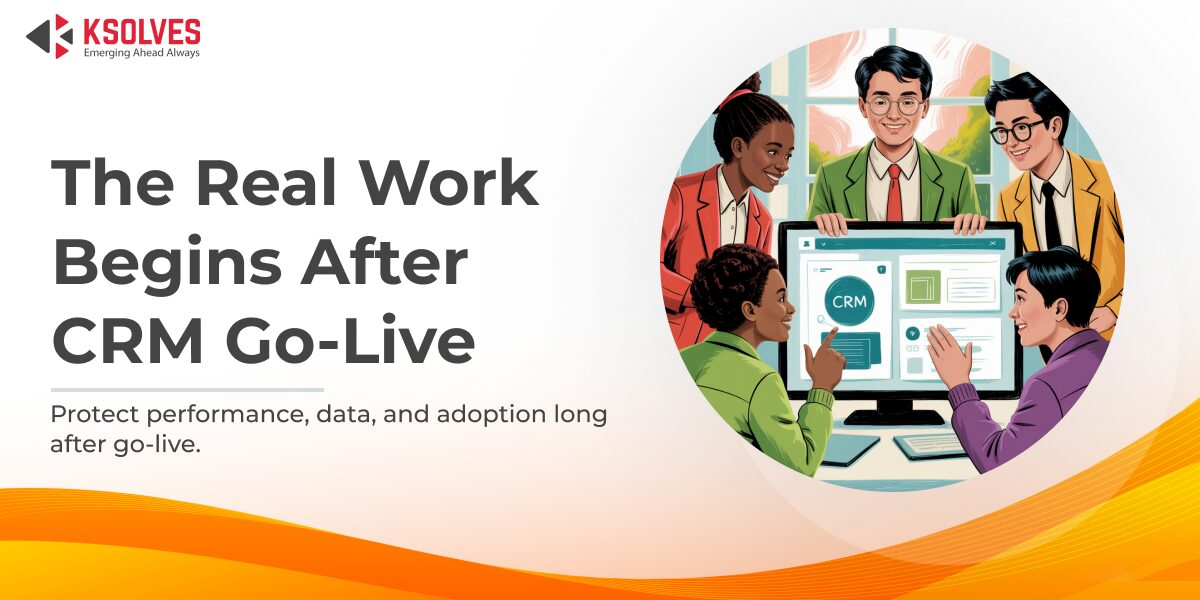
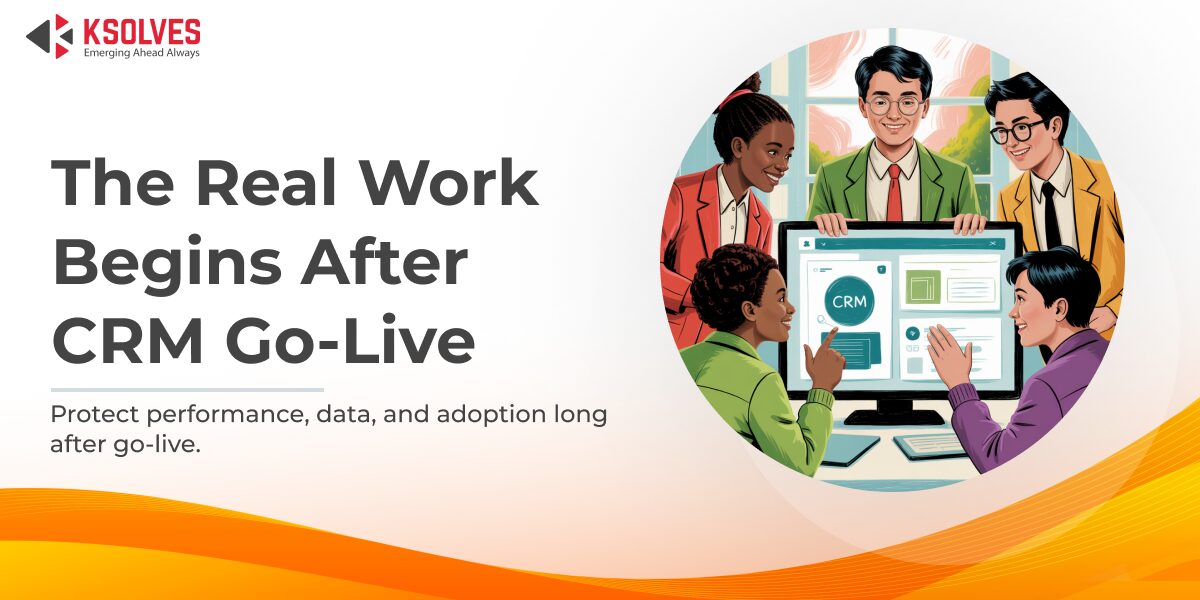
Many businesses believe that once they’ve completed their CRM implementation or development, their work is done. But in reality, launching a CRM like Salesforce, HubSpot, or Dynamics 365 is only the first step. To keep your CRM running smoothly, evolving with your business needs, and delivering true ROI, ongoing CRM support services are just as critical as the initial setup.
Without proper support, even the best-designed CRM can quickly become outdated or underused. This could lead to data issues, frustrated users, and missed revenue opportunities. From technical troubleshooting and regular maintenance to user training and system enhancements, professional CRM support bridges the gap between a good system and a great one.
In this blog, we’ll break down why post-implementation CRM support is a must-have, what risks you face without it, and how a reliable partner can help you make the most of your CRM investment.
Top Reasons You Need CRM Support Services
CRM support services help keep your system running smoothly with clean data, faster troubleshooting, and consistent user adoption. When paired with expert CRM development services, they ensure your platform evolves with your business needs.
- System Performance and Data Integrity
A CRM is only as good as the data it holds and how well it performs. Over time, without regular monitoring, your system can slow down due to unused customizations, redundant workflows, or data bloat. Ongoing support ensures your CRM stays optimized with clean, accurate data and regular health checks. It also includes performance tuning to keep everything running smoothly as your business grows. - User Adoption and Training
No matter how powerful your CRM is, it’s useless if your team doesn’t know how to use it effectively. CRM support services often include user training, onboarding refreshers, and easy access to help when issues arise. This helps your people stay confident, reduces resistance to change, and makes sure your investment delivers real value through consistent, proper use. - Keeping Up with Updates and New Features
Top CRM platforms like Salesforce, HubSpot, or Dynamics 365 release regular updates and new features. But without expert support, businesses often miss out on tools that could save time or boost productivity. A good CRM support partner will test, deploy, and fine-tune updates for you. This means you’re never stuck using outdated functionality or risking breakages from untested changes. - Security and Compliance
Customer data is one of your most valuable assets and also a huge responsibility. Ongoing CRM support helps protect that data with timely security patches, role-based access controls, and audit-ready configurations. This is especially important if your business handles sensitive information or operates in regulated industries with strict compliance requirements. - Scalability as Your Business Grows
Your business won’t stay the same forever, and neither should your CRM. Support services help you adapt your system as you add new processes, teams, or regions. Whether it’s customizing workflows, integrating new tools, or rolling out features for different departments, CRM support keeps your system flexible and ready to scale without causing costly downtime or rework.
Risks of Ignoring CRM Support
Here are the key risks businesses face when CRM support is overlooked — from declining data quality to missed growth opportunities.
- Costly Downtime and Data Loss
Without regular CRM support and proactive monitoring, even minor issues can snowball into unexpected system outages or data corruption. This can disrupt sales cycles, delay customer interactions, and lead to lost revenue you could have easily avoided. - Poor Customer Experience
If your CRM isn’t maintained properly, performance lags, data errors, or broken workflows can frustrate your teams and, worse, your customers. Slow response times, inaccurate information, or missed follow-ups all hurt your reputation and customer trust. - Rising Maintenance Costs Later
Neglecting ongoing support often means small problems pile up until they require expensive fixes or emergency overhauls. Investing in regular CRM support helps you catch issues early, extend system life, and avoid sudden, costly surprises down the road.
How to Choose the Right CRM Support Provider
Choosing the right CRM support provider starts with understanding your system’s needs, your team’s workflows, and the level of expertise required to maintain long-term performance.
- Look for Proven Expertise
Check their experience with your CRM platform and ask about certifications, case studies, and relevant industry experience. - Flexibility of Support Models
Make sure they offer support that matches your needs — from a 24×7 help desk to proactive monitoring and regular health checks. - Dedicated Point of Contact
Find out if you’ll have a dedicated account manager or team who knows your system, not just a generic ticketing queue. - Clear SLAs and Response Times
Ask what their guaranteed response times are for critical issues, and how they handle emergencies or after-hours support. - Support for Upgrades & Training
A good partner should help you adopt new features, run user training, and ensure your system stays up-to-date. - Transparency & Communication
Ask if they provide regular reports, performance reviews, and clear escalation paths if issues aren’t resolved quickly.
Conclusion
A CRM isn’t a “set-and-forget” tool; its real value shows up only when the platform stays fast, secure, and perfectly aligned with ever-changing business workflows. Proactive support prevents costly downtime, safeguards data integrity, and ensures your team actually uses (and loves) the system you invested in.
Ksolves combines certified CRM support with end-to-end CRM development services, giving you one partner for health checks, feature roll-outs, user training, and 24×7 issue resolution. With our experts acting as an extension of your team, you can focus on growth while your CRM quietly powers every customer interaction today and for years to come.































Author
About the Author Editorial Team The Ksolves Editorial Team includes certified Salesforce experts, Big Data engineers, AI/ML specialists, Zoho consultants, and experienced technology writers focused on delivering clear, actionable insights for modern businesses. With hands-on experience across Salesforce, Big Data platforms, AI/ML solutions, application development, software testing, and Zoho ERP/CRM, the team publishes practical guides, real-world use cases, and industry updates that support smarter decisions and faster growth. Every article is created to solve business challenges, guide technology adoption, and keep organizations aligned with evolving digital ecosystems.
Share with