



How to Improve CRM User Adoption: 8 Proven Strategies
CRM
5 MIN READ
February 17, 2026

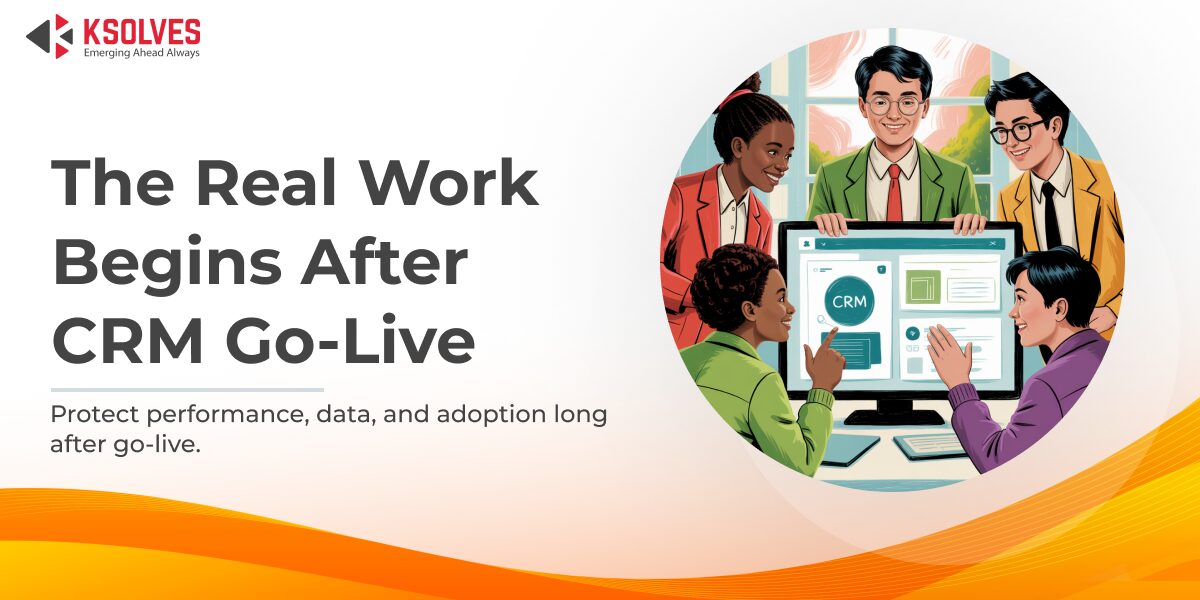
Investing in a CRM system is a smart move, but it only delivers value when your team actually uses it. That’s where CRM user adoption comes in. It’s not just about logging in; it’s about making the CRM part of everyday workflows.
When adoption is high, teams keep customer data up to date, follow consistent processes, and use the system to gain real-time insights. The result? Smoother collaboration, better customer experiences, and faster decisions.
The impact is hard to ignore. Research shows that companies with strong CRM adoption can see:
- 29% increase in sales
- 34% boost in productivity
- 42% more accurate forecasting
And according to Nucleus Research, every $1 invested in CRM returns around $8.71, but only if it’s used the right way.
Poor adoption, on the other hand, leads to outdated data, missed follow-ups, and wasted investments.
In this blog, we’ll explore simple, effective strategies to help you boost CRM adoption—and get the most from your investment.
8 Best Strategies to Drive CRM User Adoption
Driving CRM user adoption isn’t just about rolling out new software—it’s about changing habits and making the system work for your team. Here are eight practical strategies to help your users embrace the CRM and use it consistently.
1. Involve Users from Day One
One of the biggest mistakes companies make during CRM implementation is treating it like a top-down IT project. But the people who will actually use the system every day, such as sales reps, customer support teams, and marketers, need to be involved from the very beginning.
Here’s why it matters:
- When users are part of the decision-making process, they feel a sense of ownership.
- Their early feedback helps shape features and workflows that actually make their jobs easier, not harder.
- It reduces resistance later and encourages faster, smoother adoption.
Teams that involve end users early on often find their CRM better aligned with real-world processes. This results in stronger engagement and long-term success. It also minimizes change-management challenges down the line.
So, before finalizing features or workflows, talk to your users. Run workshops, conduct surveys, or include frontline staff in pilot programs. Their insights can uncover what truly works and what doesn’t.
2. Clarify Benefits: What’s in It for Users
If you want your team to embrace the CRM, you need to answer one simple question from their perspective: “How does this help me?”
It’s not enough to say the CRM is good for the business—you need to show how it makes their day-to-day work easier and more rewarding.
Start by highlighting tangible benefits like:
- Faster workflows thanks to automation and easy access to information
- Less manual data entry with smart forms, integrations, and templates
- Better sales outcomes through improved lead tracking, reminders, and follow-ups
- More accurate forecasting, which helps them hit their targets with confidence
Then take it a step further: connect CRM usage to individual goals. For example, if sales reps know that tracking activities in the CRM directly impacts their pipeline visibility or performance bonuses, they’ll be more likely to use it.
Also, remind your team that CRM isn’t just a management tool—it’s a personal productivity assistant. When used properly, it can help them close deals faster, reduce errors, and spend more time with the right customers.
By clearly communicating these personal wins, you turn CRM from a chore into a career booster.
3. Personalize the User Experience
One major reason users resist CRM tools? They feel clunky, confusing, or irrelevant to their daily work. That’s where personalization comes in.
Start by tailoring dashboards, fields, and reports to each role. A sales rep doesn’t need the same view as a marketing manager or customer service agent. When people log in and immediately see what matters most to them, like today’s leads, upcoming tasks, or open cases, they’re more likely to stay engaged.
Also, remove clutter. If your CRM is packed with fields or features no one uses, it creates unnecessary friction. Streamline the interface by hiding irrelevant modules and simplifying workflows. This reduces confusion and helps users focus on what really matters.
A well-personalized CRM doesn’t just feel more friendly; it becomes a tool that works with your team, not against them.
4. Deliver Hands-On Training & In-App Support
No matter how powerful your CRM is, it won’t drive results if your team doesn’t know how to use it confidently. That’s why training should be practical, hands-on, and continuous.
Start by offering sandbox environments and realistic practice scenarios before your CRM goes live. Let users explore the system using real workflows, so they can get comfortable without fear of making mistakes.
Then, back it up with an ongoing training plan. As features evolve or new team members join, refreshers and updates should be easily accessible.
Also, consider adding in-app tips, prompts, or guided steps to offer real-time support. This kind of contextual guidance helps users stay productive while learning on the go—no need to dig through a manual or wait for help.
The more supported your users feel, the faster they’ll adopt the CRM and use it with confidence every day.
5. Maintain Data Quality & Automate Validation
One of the fastest ways to lose trust in your CRM is by letting bad data pile up. If contact details are missing, duplicate records exist, or lead statuses are inconsistent, your team will stop relying on the system.
To prevent this, start by setting up smart validation rules. Ensure key fields are always filled and use duplicate-checking tools during data entry. This helps maintain clean records from the start.
You can also reduce manual work by automating data cleanup. Tools with AI capabilities can suggest corrections, fill in gaps, or flag potential errors in real time. When users see accurate, up-to-date information every time they log in, they’re far more likely to keep using the CRM consistently.
6. Monitor Usage Metrics & Gather Feedback
Once your CRM is live, it’s important not to assume everything’s running smoothly—watch how people actually use it. Track things like how often users log in, which features they rely on, where they drop off, and whether they’re completing key workflows like updating leads or closing deals.
But numbers only tell part of the story.
Make space for real feedback. Short in-app surveys, casual check-ins, or even open Slack threads can uncover why users are avoiding certain tools or struggling with particular tasks. Sometimes, a simple tweak, like adjusting a field name or adding a quick shortcut, can make a big difference in user comfort.
This ongoing loop of data and dialogue helps you catch problems early, refine training, and keep adoption on track without relying on guesswork.
7. Celebrate Early Wins & Incentivize Usage
One of the best ways to build momentum is by spotlighting small successes.
When someone uses the CRM to close a deal faster, clean up a messy pipeline, or automate a routine task, share that win with the team. Real examples show how the system helps—not just in theory, but in day-to-day work.
Recognition goes a long way. Call out power users in meetings, send thank-you notes, or offer fun incentives like gift cards, team lunches, or leaderboard shoutouts. It doesn’t have to be big; what matters is showing people their effort is seen and valued.
This kind of positive reinforcement helps shift CRM adoption from being “just another tool” to something people actually want to use.
8. Continuously Optimize & Scale Adoption
CRM adoption is an ongoing journey. Once your team is using the system regularly, the next step is to keep improving it.
Start by reviewing how your CRM is being used every few months. Are users skipping certain steps? Are some features being underused? Use real behavior data to spot where workflows need to be refined or simplified. You might find that some processes are outdated, or that new team needs have emerged.
At the same time, look for ways to expand adoption across your organization. Enable mobile access so users can update records on the go. Encourage power users to mentor new team members or share time-saving tips. As your team gets more comfortable, start introducing advanced CRM features like AI-powered recommendations, analytics dashboards, or automation tools that can really boost productivity.
The goal is to make the CRM evolve with your business, so it always feels like a helpful tool, not a burden.
Final Thoughts: Turn CRM Usage Into a Competitive Edge
CRM adoption is the key to unlocking everything your platform was designed to do. From better forecasting to stronger customer relationships, the value of CRM lies in how well your team embraces it.
But adoption doesn’t happen overnight. It takes the right mix of strategy, support, and ongoing improvement. That’s where Ksolves can help.
At Ksolves, we don’t just implement CRMs; we build solutions that fit your business requirements. Our CRM development services are designed to:
- Tailor the CRM to your workflows, so your team finds it intuitive, not overwhelming
- Streamline user experiences with personalized dashboards, automation, and clean design
- Support adoption long after go-live, with optimization, training, and in-app guidance
- Integrate your CRM seamlessly with other systems like ERP, marketing tools, or data warehouses
- Ensure scalability and long-term ROI, not just short-term fixes
Whether you’re struggling with low engagement, messy data, or resistance to change, we’ve helped companies just like yours turn things around and get real results from their CRM.
So, ready to drive adoption and get the most from your CRM investment? Contact us today at [email protected].
Frequently Asked Questions
What is CRM user adoption?
CRM user adoption refers to how well your team uses the CRM platform as part of their daily workflows.
High adoption means employees are actively engaging with the system to manage customer data, track interactions,
and drive business outcomes.
Why is CRM adoption important?
A CRM only delivers ROI when it’s actively used. High adoption leads to accurate data, streamlined processes,
better customer insights, and improved productivity. Without it, the CRM becomes an underutilized investment.
What are common reasons for low CRM adoption?
- Lack of user involvement during setup
- Poorly designed workflows that don’t match daily tasks
- Insufficient training and ongoing support
- Overcomplicated interfaces or too many irrelevant fields
- Inaccurate or incomplete data
How can I improve CRM user adoption in my organization?
Involve users early in the implementation process, personalize the interface for different roles, provide hands-on
and continuous training, ensure data quality, and offer ongoing support. Recognizing early wins and making continuous
improvements also helps.
How does personalization help in CRM adoption?
Personalizing dashboards, fields, and workflows makes the CRM feel more relevant and intuitive.
When users see only the information they need, it reduces confusion and encourages consistent use.
What role does data quality play in CRM adoption?
Poor data quality erodes trust in the system. Maintaining accurate, up-to-date records and automating validation
ensures that users rely on the CRM for decision-making.































Author
About the Author Editorial Team The Ksolves Editorial Team includes certified Salesforce experts, Big Data engineers, AI/ML specialists, Zoho consultants, and experienced technology writers focused on delivering clear, actionable insights for modern businesses. With hands-on experience across Salesforce, Big Data platforms, AI/ML solutions, application development, software testing, and Zoho ERP/CRM, the team publishes practical guides, real-world use cases, and industry updates that support smarter decisions and faster growth. Every article is created to solve business challenges, guide technology adoption, and keep organizations aligned with evolving digital ecosystems.
Share with