Project Name
Cutting Internal Search Time by 80% with a RAG Knowledge Assistant
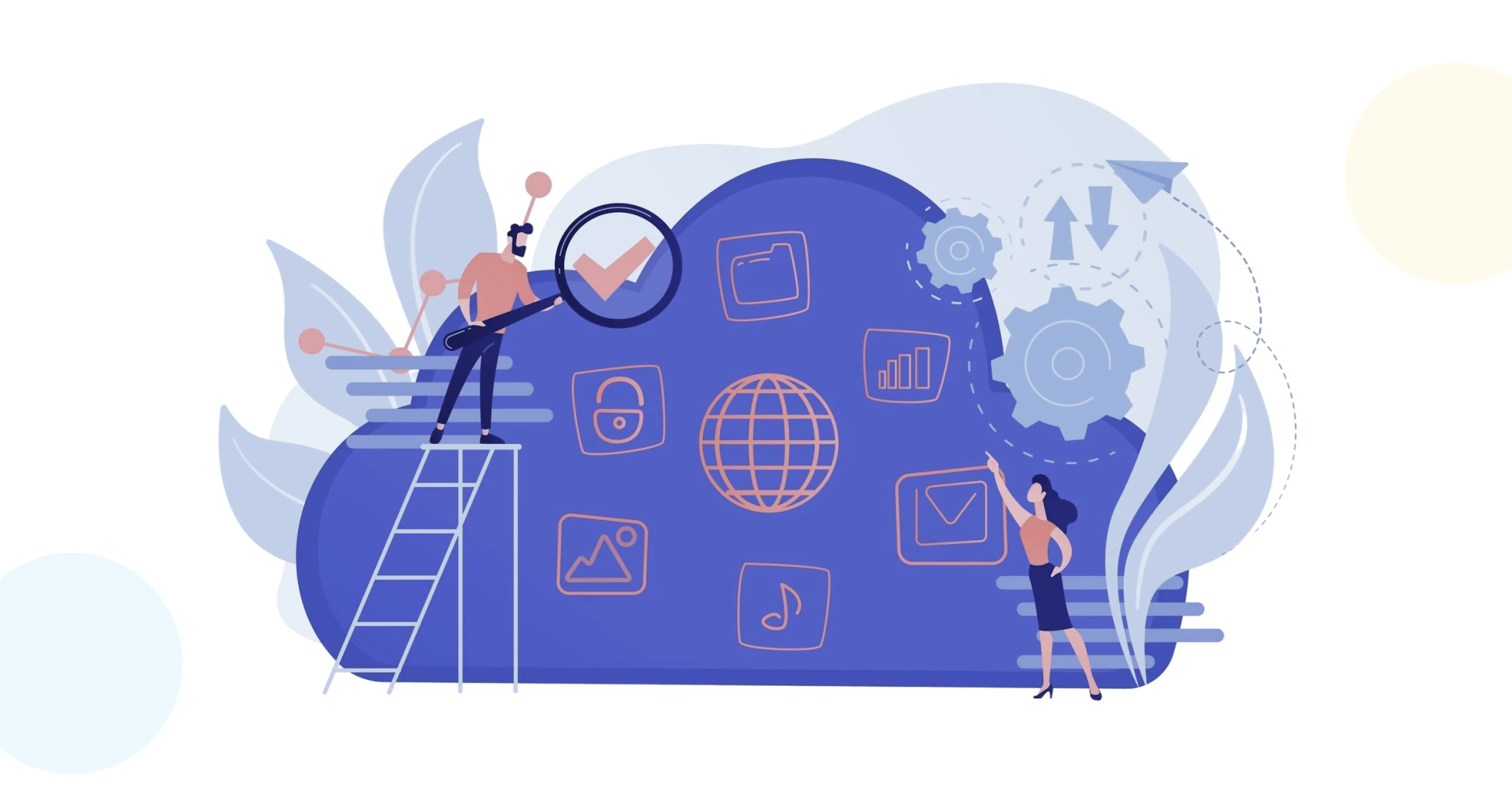

A North American SaaS company operating in the telecommunications infrastructure sector had built years of institutional knowledge across wikis, engineering runbooks, Confluence spaces, and support records. None of it was easy to find. Employees spent 2 to 3 hours per week searching for information that already existed somewhere in the organisation. Senior engineers fielded 10 to 15 repetitive questions weekly. New hires took 2 to 4 weeks longer than necessary to reach independent productivity because self-serve documentation navigation was too fragmented to be useful. Ksolves designed and deployed a RAG-based AI knowledge assistant that indexes all internal documentation and delivers cited, verified answers to employee questions in under 30 seconds.
- Search Time Killed Productivity: Employees averaged 2 to 3 hours per week searching across disconnected systems for authoritative answers. At a growing technical workforce, that translated to hundreds of engineering hours lost monthly to information retrieval rather than product work.
- No Single Source of Truth: Because documentation was spread across multiple systems with no unified access layer, the same question received different answers depending on which system an employee searched and which version of a document they found. Operational inconsistency followed.
- Senior Engineers Became the Search Engine: With no reliable self-serve path, employees escalated questions directly to subject matter experts. Senior engineers absorbed 10 to 15 repetitive interruptions per week, each one pulling focus from high-priority technical work.
- Onboarding Took Too Long: New hires had no structured way to navigate existing knowledge. Finding answers required knowing which system to look in, which team had documented it, and whether the document was current. Time-to-productivity extended by 2 to 4 weeks as a result.
- Knowledge Existed but Stayed Hidden: The organisation had invested heavily in documentation. The problem was not a lack of content. There was no retrieval layer connected to employee questions to the right content at the right moment.
Ksolves designed a Retrieval-Augmented Generation knowledge assistant that turns the company's existing documentation investment into an always-available, always-accurate internal knowledge resource. Every answer is grounded in verified source material with direct citations, so employees know exactly where the information comes from. AI-assisted pipeline configuration and testing during the build reduced integration time across document sources by approximately two weeks versus a conventional indexing project.
- Unified Document Ingestion: Automated ingestion pipelines pull content continuously from wikis, Confluence, engineering runbooks, internal PDFs, and historical support records into a single, continuously updated knowledge index. No manual curation is required to keep the index current.
- Semantic Retrieval Engine: A vector database stores embedded representations of every indexed document. When an employee submits a query in plain language, the retrieval layer surfaces the most semantically relevant passages across the entire knowledge base, ranked by relevance, before passing them to the LLM for response generation.
- Cited, Confidence-Scored Answers: Every response includes a confidence score and direct links to the source documents behind the answer. Employees can verify the source in one click. This also means the assistant does not generate answers from outside the organisation's own documentation.
- Role-Based Knowledge Segmentation: Access controls embedded at the retrieval layer ensure employees only receive answers drawn from documentation appropriate to their team and permission level. Sensitive engineering specifications, financial records, and HR documentation are segmented by role from day one. AI-assisted access control mapping reduced the configuration effort for this layer by 30% compared to manual role-permission setup.
Technology Stack
| Category | Technology |
|---|---|
| AI Architecture | Retrieval-Augmented Generation (RAG) |
| Language Model | Large Language Model |
| Search Index | Vector Database |
| Data Integration | Document Ingestion Pipeline |
| Security | Role-Based Access Controls |
- 80% Reduction in Search Time: Employees previously spent 2 to 3 hours per week searching across disconnected systems. The assistant delivers cited answers in under 30 seconds.
- 73% Fewer SME Interruptions: Senior engineers absorbed 10 to 15 repetitive questions per week. The assistant now resolves 73% of those queries autonomously, returning that time to high-priority engineering work.
- 11 Days Faster Onboarding: New hires previously took 2 to 4 weeks longer than necessary to navigate documentation independently. Self-serve access from day one eliminated that ramp entirely.
- 100% Answer Consistency: All employee queries are answered from the same verified, centrally indexed source base, ending the operational inconsistency that came from fragmented multi-system search.
- Zero Hallucinated Answers: The assistant only generates responses grounded in retrieved internal documentation. When verified source material does not cover a query, it returns a "no source found" response rather than fabricating an answer.
- 6 Source Systems Indexed: Confluence, internal wikis, engineering runbooks, support tickets, and internal PDFs were all indexed and live from day one of deployment.

Ksolves delivers RAG-based AI knowledge assistant development for technology and SaaS companies that need to make institutional knowledge accessible without rebuilding their documentation infrastructure. Explore Ksolves AI/ML Services or speak to our team to see what a knowledge assistant built on your own documentation would look like.
Before this engagement, the company’s documentation investment was producing almost no return. Employees could not find what existed. After deploying the RAG knowledge assistant, search time dropped 80%, SME interruptions fell 73%, and onboarding accelerated by 11 days, all from infrastructure the organisation already owned.
The next phase extends the assistant to customer-facing self-service, automated runbook generation, and AI-assisted incident response.
Is Your Internal Knowledge Base Costing Your Engineers Hours Every Week? See How a Rag-Based AI Knowledge Assistant Built on Your Own Documentation Fixes That.