



8 Key Benefits of CRM for the Manufacturing Industry
CRM
5 MIN READ
January 5, 2026

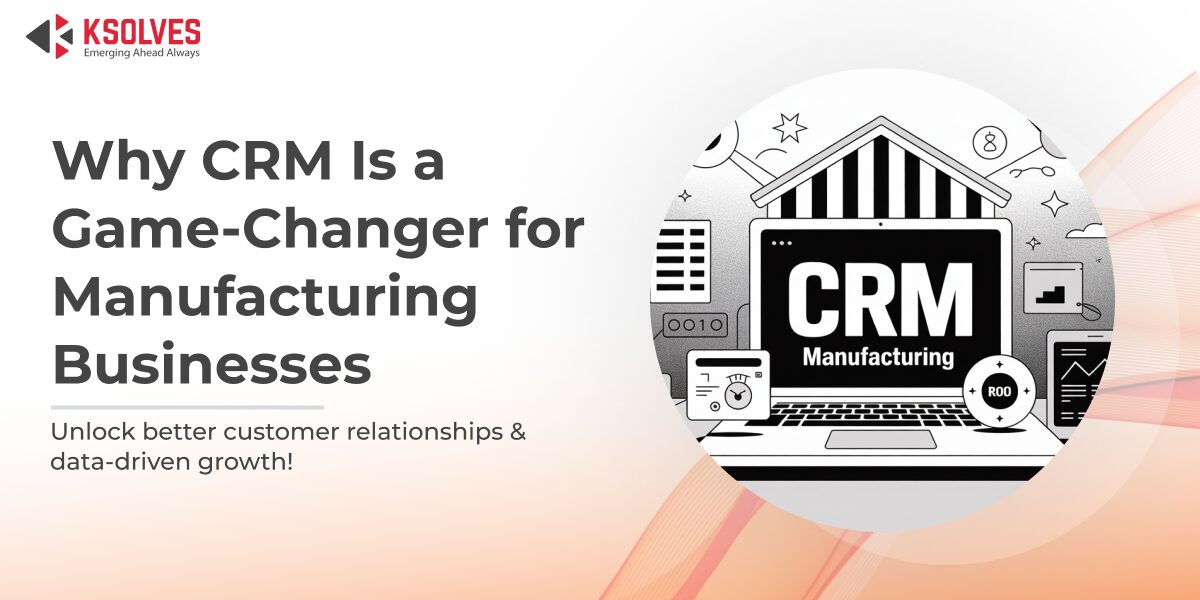
No surprise – 86% of manufacturing firms already rely on a CRM to centralize contacts, sales pipelines, and warranty cases. The payoff is substantial: companies that adopt a CRM experience an average 29% boost in sales.
Manufacturers must manage long sales cycles, complex product specifications, and growing customer service demands. Traditional tools like spreadsheets and disconnected emails make tracking quotes, order changes, and warranty claims difficult. This leads to delays, inefficiencies, and missed opportunities.
That’s where the benefits of CRM come into play. A customer relationship management (CRM) platform brings all these moving parts into one unified, secure workspace. With live, shared data across sales, production, and service teams, decisions around capacity, inventory, and after-sales support become faster, smarter, and more accurate.
In the sections below, we’ll break down how a manufacturing-ready CRM improves quoting speed, enhances service, boosts forecast accuracy, drives product improvements, lifts conversion rates, aligns inventory with demand, and simplifies compliance.
CRM Advantages for the Manufacturing Sector
The benefits of customer relationship management go far beyond sales tracking. For manufacturers, a CRM system connects teams, streamlines operations, and turns customer data into real-time action.
1. Centralized Customer Data Cuts Response Time
When every sales rep, service engineer, and finance analyst accesses the same up-to-date customer profile, order history, and communication log, response times drop significantly. No more digging through spreadsheets or chasing down email threads to find past interactions or order details.
Let’s understand with an example. A sales rep can quickly see if a customer requested a quote or had a recent support issue, making follow-ups faster and more relevant. Similarly, finance can verify payment history without waiting on updates from sales or operations. This shared context eliminates duplicate outreach, speeds up quoting, and ensures smoother handoffs between departments.
Manufacturers that keep accurate histories build trust, win repeat orders, and reduce time lost on internal inquiries.
2. Real-Time Pipeline Visibility Improves Forecasts
A real-time view of open opportunities turns guesswork into clear, data-driven decisions. Sales managers can spot deals that are stalling and take early action. At the same time, production planners use upcoming sales deals to estimate how many workers, machines, and materials will be needed to deliver future orders.
For example, if the CRM shows a $500K deal likely to close next month, the planner can schedule capacity on a key assembly line and pre-order critical components. That way, production starts on time without last-minute rushes. This coordination keeps presses, molds, and lines running at steady, sustainable rates.
Manufacturers, thus, avoid bottlenecks, reduce idle time, and meet customer deadlines more reliably.
3. Integrated Quoting Produces Faster, Accurate Estimates
Integrated quoting tools are one of the key CRM system advantages for manufacturers. They enable quick, accurate estimates without manual errors. Customizable templates pull in customer information, pricing history, discounts, and current material costs in real time.
Engineers check technical specifications, finance reviews margins, and sales send a complete, professional quote within minutes.
For instance, when a client requests a specialized machine component, the system automatically fills in their previous order details and preferred pricing. Sales selects the correct configuration and shares a ready-to-go quote without retyping or waiting for approvals.
By cutting manual steps, manufacturers respond faster, reduce mistakes, and improve their chances of closing the deal.
Also Read: Industries That Experience the Biggest Benefits from CRM
4. Connected Service Workflows Improve After-Sales Support
A connected CRM lets service teams manage support cases with speed and precision. Every issue is logged against the product’s serial number, making it easy to track service history, assign technicians, and record parts used.
Customers receive timely updates, while quality teams can spot recurring issues across similar products.
If a client, for instance, reports a fault in a hydraulic press, the service desk can immediately check warranty status, assign a technician, and ensure the right parts are available before the visit. The technician arrives prepared, resolves the issue on the first attempt, and updates the CRM on-site.
This is one of the best benefits of CRM, which helps shorten response times, reduce warranty costs, and build customer loyalty through consistent, reliable service.
5. Feedback Loops Enable Product Improvement
Customer feedback is no longer lost in inboxes or phone logs. With CRM integration, comments about product quality, fit, or performance are captured in a structured way and linked to specific orders or models.
This feedback flows directly to engineering and quality teams, helping them identify recurring issues and make improvements faster.
For example, if multiple customers report that a machine part wears out too quickly, the system highlights the trend. Engineers can then adjust the design or materials before the issue affects more clients.
Checkout – Top 5 CRMs for the Manufacturing Industry
6. Automated Lead Scoring Raises Conversion Rates
Lead scoring helps sales teams focus on the most promising prospects. CRM rules rank leads based on factors like purchase history, engagement level, and how closely they match the ideal customer profile.
Reps no longer waste time on low-value leads. Instead, they start with the accounts most likely to convert.
For example, a prospect who visits the website frequently, downloads product specs, and fits the target industry will receive a high score. The system moves that lead to the top of the priority list, prompting faster outreach.
By guiding reps to stronger opportunities, automated lead scoring increases conversion rates and shortens sales cycles.
7. CRM–ERP Link Aligns Inventory With Demand
One of the major CRM advantages in manufacturing is its ability to sync with ERP systems for smarter inventory planning. When CRM and ERP are connected, sales forecasts and pipeline data guide procurement teams to plan ahead with confidence.
So, if the CRM shows a large machine order likely to close in two weeks, the ERP can trigger a reorder for critical parts now. Thus, avoiding delays, rush charges, and overstock.
This real-time coordination reduces waste, prevents shortages, and keeps production moving smoothly.
8. Audit-Ready Records Simplify Compliance
CRM systems automatically track every change, from customer approvals to spec updates and delivery confirmations. All records are time-stamped, organized, and easy to search.
For instance, if an auditor requests proof of compliance with ISO standards, the system can pull up the full history of a part, from supplier batch to final shipment, in minutes.
Manufacturers avoid last-minute scrambles, reduce the risk of penalties, and build trust with partners who require strict documentation.
How Ksolves Can Help with CRM Implementation
Implementing a CRM system tailored to the unique needs of the manufacturing industry is key to unlocking these benefits and driving business growth. At Ksolves, we specialize in delivering customized CRM solutions that integrate seamlessly with your existing ERP and operational workflows. Our experienced team understands the challenges manufacturers face—from complex sales cycles to after-sales service. So, we help design CRM platforms that streamline processes, improve data accuracy, and enhance cross-department collaboration.
Whether you need help with CRM strategy, system integration, or ongoing support, Ksolves provides end-to-end services to ensure a smooth implementation and quick ROI. By partnering with us, manufacturers can harness the full benefits of customer relationship management to increase efficiency, boost customer satisfaction, and gain a competitive edge in today’s market.
Frequently Asked Questions
FAQs
Why does a manufacturing company need a CRM when they already have an ERP?
A CRM complements your ERP by focusing on managing customer relationships, sales pipelines, and service cases — areas where an ERP typically falls short.
When connected, CRM and ERP together provide end-to-end visibility, from lead generation to production and delivery.
What features should manufacturers look for in a CRM system?
Key features include sales automation, CPQ (Configure, Price, Quote), real-time reporting, customer service management, and integrations with ERP, inventory, and production systems.
Industry-ready templates and mobile access are also helpful for busy sales and service teams.
How does a CRM help with compliance in manufacturing?
A good CRM keeps audit-ready records of quotes, approvals, order changes, and customer interactions.
Time-stamped data trails make it easier to meet industry standards and respond quickly during audits, saving time and reducing the risk of penalties.































Author
About the Author Editorial Team The Ksolves Editorial Team includes certified Salesforce experts, Big Data engineers, AI/ML specialists, Zoho consultants, and experienced technology writers focused on delivering clear, actionable insights for modern businesses. With hands-on experience across Salesforce, Big Data platforms, AI/ML solutions, application development, software testing, and Zoho ERP/CRM, the team publishes practical guides, real-world use cases, and industry updates that support smarter decisions and faster growth. Every article is created to solve business challenges, guide technology adoption, and keep organizations aligned with evolving digital ecosystems.
Share with