



Intelligent Process Optimization: How Machine Learning Tunes Your Factory in Real Time
AI
5 MIN READ
April 1, 2026

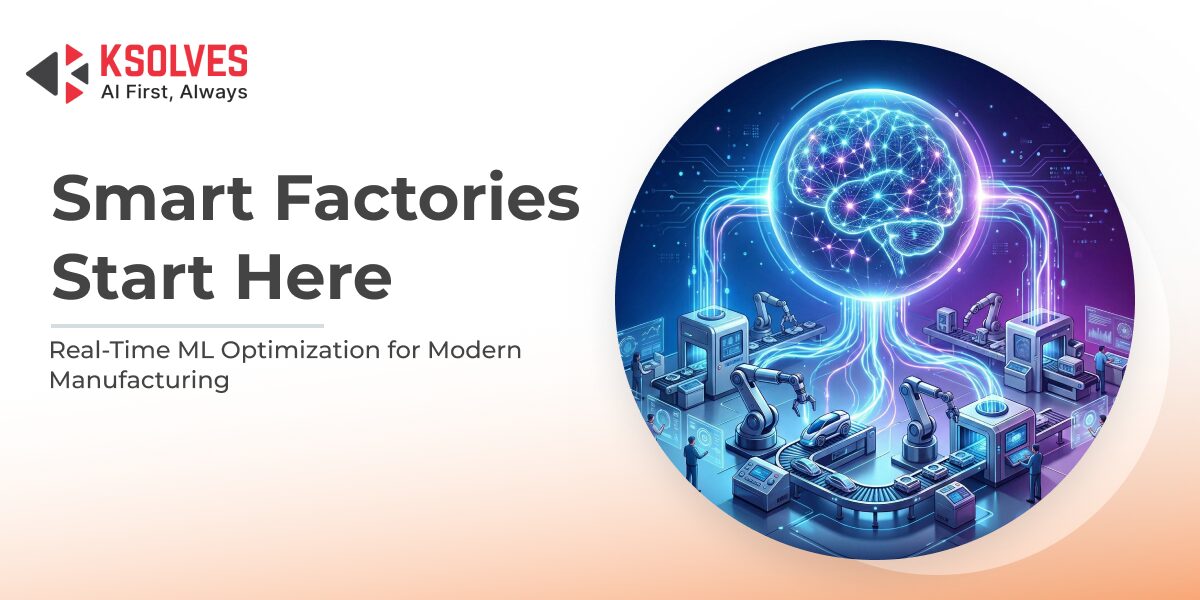
Imagine a factory that continuously learns, adapts, and optimizes itself without human intervention, adjusting machine speeds, anticipating failures, and even fine-tuning energy consumption patterns. This isn’t a futuristic dream but the core of Intelligent Process Optimization (IPO) powered by Machine Learning (ML).
As manufacturers face increasing competition, demand variability, and operational complexity, machine learning-driven process optimization is emerging as a game-changer. Let’s explore how machine learning is tuning your factory floor in real time, transforming traditional operations into smart manufacturing ecosystems.
What is Intelligent Process Optimization?
Intelligent Process Optimization refers to the use of advanced data analytics, artificial intelligence (AI), and machine learning to continuously monitor, analyze, and improve industrial processes. Unlike static automation, IPO enables systems to learn from both historical and real-time data, adapting workflows and parameters in real-time to enhance overall performance.
Traditional optimization techniques often rely on rule-based logic or manual adjustments. In contrast, intelligent optimization leverages predictive modeling, pattern recognition, and feedback loops to make precise, data-backed decisions automatically.
The Role of Machine Learning in Factory Optimization
Machine learning enables the analysis of large volumes of data from various sources, such as sensors, IoT devices, enterprise systems, and machine logs, to uncover hidden insights and optimize processes. Here’s how ML enhances intelligent process optimization:
1. Real-Time Monitoring and Anomaly Detection
ML models can monitor manufacturing processes in real time, learning normal operating patterns and quickly flagging anomalies such as equipment malfunctions or product deviations. This reduces unplanned downtime and improves quality control.
2. Predictive Maintenance
Rather than servicing equipment on a fixed schedule, ML predicts when a component is likely to fail based on usage patterns and sensor data. This reduces maintenance costs and prevents unexpected breakdowns, boosting overall equipment effectiveness (OEE).
3. Dynamic Scheduling and Resource Allocation
ML algorithms consider machine availability, production goals, and inventory levels to adjust schedules and allocate resources efficiently and dynamically. This results in minimized idle time and optimal throughput. This same intelligence extends beyond the factory floor – supply chain optimization powered by ML helps manufacturers reduce procurement waste and align inventory to real-time demand signals.
4. Energy Optimization
Energy consumption is a significant cost factor in the manufacturing industry. ML helps analyze patterns in energy usage and suggests optimizations, such as load shifting, equipment tuning, or shutdown scheduling, to reduce utility bills.
5. Process Parameter Optimization
Using reinforcement learning for continuous control and regression techniques for predictive modeling, ML can optimize variables such as temperature, pressure, or speed in production lines to ensure optimal performance and product quality.
Key Technologies Enabling Intelligent Process Optimization
Implementing intelligent optimization involves a convergence of several technologies:
- Industrial IoT (IIoT): Provides real-time data from connected sensors and machines.
- Edge Computing: Enables low-latency processing near the data source.
- Cloud Platforms: Facilitate scalable storage and computing for ML models.
- Digital Twins: Virtual replicas of factory systems help simulate scenarios and predict outcomes.
- AI/ML Models: Power data analysis, decision-making, and autonomous process control.
Benefits of Machine Learning-Based Process Optimization
The adoption of machine learning in manufacturing delivers significant competitive advantages:
- Increased Productivity: Continuous optimization maximizes machine uptime and output.
- Improved Quality: Consistent process tuning reduces defects and rework.
- Cost Efficiency: Optimized energy use, reduced downtime, and fewer errors lower operational costs.
- Faster Decision-Making: Real-time insights empower faster, data-driven actions.
- Scalability: ML systems learn and adapt as operations grow in complexity.
Manufacturers deploying AI automation solutions at the edge – directly on the factory floor – can also achieve faster decision-making while keeping data local and secure.
Partner with Ksolves: Your AI/ML Development and Consulting Experts
Implementing ML-powered optimization isn’t just about software – businesses that understand what to look for when they hire an ML consulting company make faster, lower-risk transitions to intelligent manufacturing.
As a trusted provider of AI Development Services, Ksolves helps manufacturing businesses build, deploy, and scale intelligent process optimization solutions. Whether you’re modernizing legacy systems or building Industry 4.0 solutions from scratch, our experts ensure seamless integration and measurable ROI.
With a proven track record in AI, cloud, and data science, Ksolves empowers factories to become more adaptive, efficient, and competitive in the digital age.
Conclusion
The future of manufacturing lies in intelligent, adaptive systems that can learn and improve in real time. Machine Learning is no longer optional but essential for manufacturers who want to stay ahead in an increasingly complex and competitive landscape.
With intelligent process optimization, businesses not only automate – they innovate. And with the right partner like Ksolves, they lead the way into the future of smart manufacturing.
Frequently Asked Questions
What is Intelligent Process Optimization (IPO) in manufacturing?
What happens to manufacturers who don’t adopt ML-driven process optimization?
How does machine learning optimize energy consumption in a factory?
How is Intelligent Process Optimization different from traditional PLC-based automation?
How long does it take to implement a machine learning-based process optimization system?
Which company can help manufacturers implement Intelligent Process Optimization with machine learning?
What is the ROI of deploying machine learning for process optimization in manufacturing?
Have a manufacturing AI project in mind? Contact our team to discuss your IPO roadmap.

































Author
About the Author Editorial Team The Ksolves Editorial Team includes certified Salesforce experts, Big Data engineers, AI/ML specialists, Zoho consultants, and experienced technology writers focused on delivering clear, actionable insights for modern businesses. With hands-on experience across Salesforce, Big Data platforms, AI/ML solutions, application development, software testing, and Zoho ERP/CRM, the team publishes practical guides, real-world use cases, and industry updates that support smarter decisions and faster growth. Every article is created to solve business challenges, guide technology adoption, and keep organizations aligned with evolving digital ecosystems.
Share with