Project Name
Built a Self-Syncing, Multi-Modal RAG Pipeline, Delivering 100% Data Freshness and 80% Less Manual Overhead
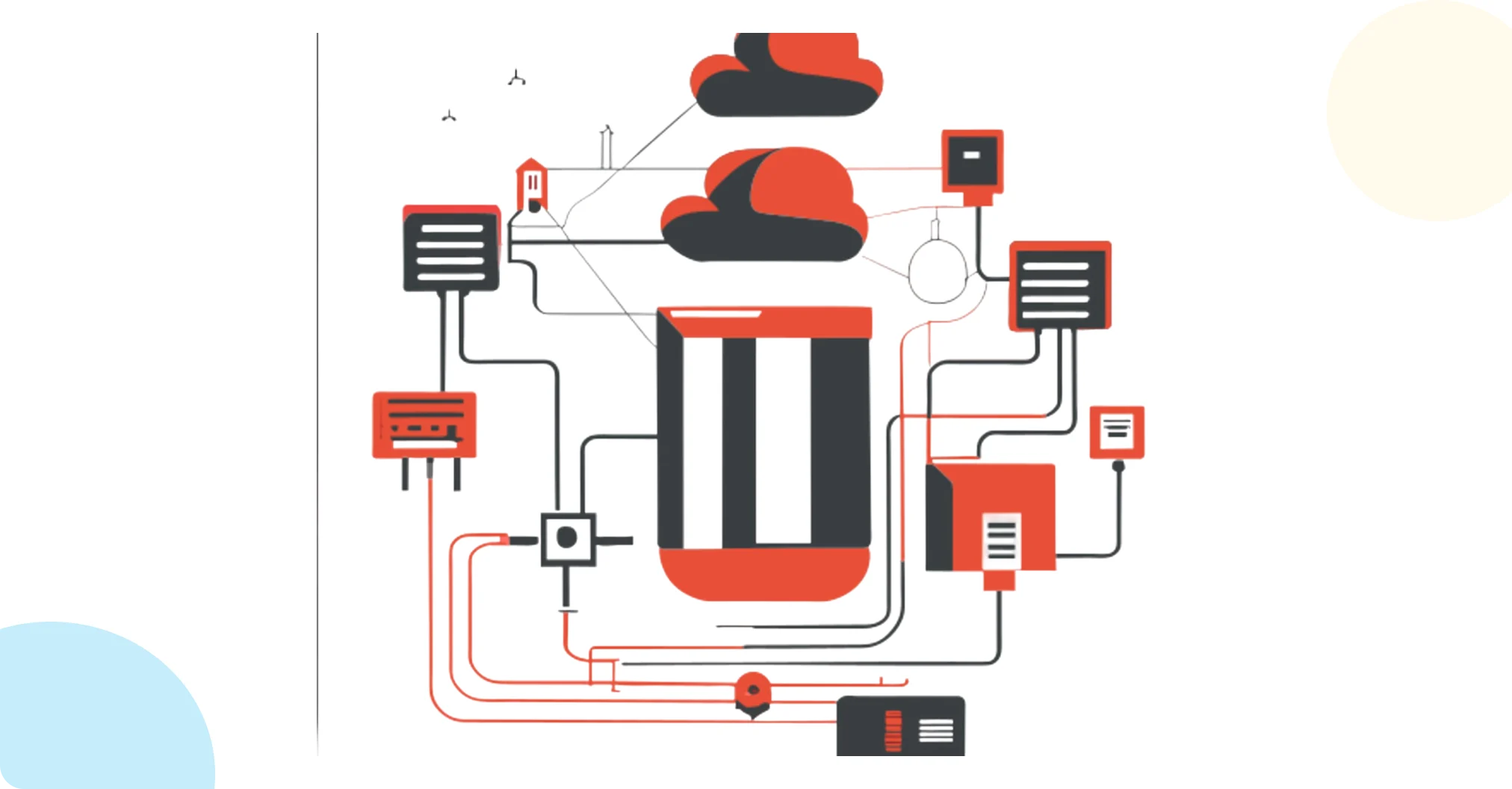

A large enterprise organisation running knowledge-intensive functions across legal, compliance, product, and operations had invested in a RAG architecture for an internal AI knowledge assistant. Despite the infrastructure being in place, answer quality was degraded by three persistent problems: a vector database out of sync with source documents, a text-only pipeline blind to diagrams and visual content, and flat chunking that stripped document hierarchy context. Applying its AI-First approach, Ksolves rebuilt the data pipeline layer, addressing all three accuracy blockers in a single production-grade re-engineering engagement.
- Stale Vector Database: Source documents updated regularly, but the vector database was not synchronised. RAG queries retrieved embeddings from superseded versions, producing outdated answers and eroding user trust.
- Manual Maintenance Creating Unsustainable Overhead: Keeping the vector database current required manual identification of changed documents, re-ingestion, re-embedding, and index updates. Labour-intensive, error-prone, and unscalable.
- Image Blindness: Documents contained critical information in architecture diagrams, flowcharts, compliance matrices, and screenshots. The text-only pipeline ignored all of it entirely.
- Flat Chunking Destroying Document Hierarchy: Naive text-splitting divided documents into fixed-size fragments without structural reference, splitting across headings and severing context between a policy clause and its subsections.
- No Parent Context on Retrieved Chunks: When a granular chunk was retrieved, there was no mechanism to surface the parent section context needed to interpret it correctly.
- RAG Accuracy Below Enterprise Threshold: Stale data, image blindness, and context-stripping combined to erode employee trust and limit adoption despite the underlying LLM infrastructure being sound.
Ksolves re-engineered the RAG data pipeline through three targeted interventions: Cron-based change detection to eliminate stale data, multi-modal image ingestion to resolve image blindness, and Parent-Child chunking to restore contextual coherence. The governing principle: the pipeline maintains itself so the RAG system is always current, complete, and contextually grounded.
- Cron-Based Automated Change Detection and Vector Sync: Scheduled engine monitors the source repository, computes document fingerprints to identify new, updated, and deleted files, and triggers incremental re-ingestion of only changed documents - regenerating embeddings automatically with no manual intervention.
- Multi-Modal Document Ingestion With Image Extraction: Pipeline processes every document as a multi-modal object, extracting images, diagrams, and charts alongside text, routing visual elements through an OCR and vision model pipeline, and indexing all content in the same vector database.
- Parent-Child Chunking With Hierarchy Preservation: The pipeline parses each document's structural hierarchy before chunking. Child chunks created for precise retrieval. Parent chunks capture surrounding section context. Both are surfaced together on retrieval- the LLM receives a specific answer and document structure.
- Incremental Re-Embedding: Re-ingestion triggered only for changed documents, not the full corpus on each Cron run. 100% freshness maintained without unnecessary reprocessing overhead.
- Unified Text and Image Vector Index: All text and image embeddings stored in the same vector index, enabling a single RAG query to retrieve relevant content from both written and visual sources simultaneously.
Technology Stack
| Category | Technology |
|---|---|
| AI / Embeddings | Multi-Modal Embedding Model |
| Architecture | Parent-Child Chunking Strategy |
| Multi-Modal | Image Extraction & OCR Pipeline |
| Database | Vector Database (Auto-Sync Layer) |
| Infrastructure | Cron-Based Change Detection Engine |
| Methodology | Document Hierarchy Preservation Layer |
- 100% Vector Database Freshness: Cron-based change detection maintains 100% data freshness automatically. Vector index always reflects the current source document corpus with no manual synchronisation.
- 80% Reduction in Manual Maintenance Overhead: Automated incremental sync eliminates 80% of manual overhead. Data engineers manage pipeline configuration, not repetitive maintenance cycles.
- Image Blindness Eliminated: Multi-modal pipeline extracts, processes, and indexes all visual content alongside text. Full document knowledge retrievable through a single RAG query regardless of format.
- Contextually Coherent Answers: Parent-Child chunking surfaces parent section alongside granular child chunk on every retrieval - LLM generates answers that are accurate, complete, and correctly contextualised.
- RAG System Elevated to Enterprise Standard: With all three accuracy blockers resolved, the system delivers current, multi-modal, and contextually grounded answers across legal, compliance, and operations.

“Our RAG system was giving answers from old documents and missing everything in our diagrams. Ksolves rebuilt the pipeline and now the vector database stays current automatically – and our analysts can actually trust what the system tells them.”
– CDO or AI Architecture Lead.
A large enterprise RAG system crippled by stale vectors, image blindness, and flat chunking was transformed through Ksolves AI/ML consulting services. A self-syncing, multi-modal pipeline now maintains 100% vector database freshness automatically, indexes all visual content, and structures every document as Parent-Child chunks. Manual overhead dropped 80%. The pipeline scales to higher document volumes and future agentic workflows without rearchitecting the core ingestion layer.
Is Your Rag System Answering From Stale Data or Missing Critical Context Because It Cannot See Your Diagrams?