Project Name
Remediated 100+ Application Vulnerabilities Safely and at Speed, Powered by a GenAI Security Co-Pilot
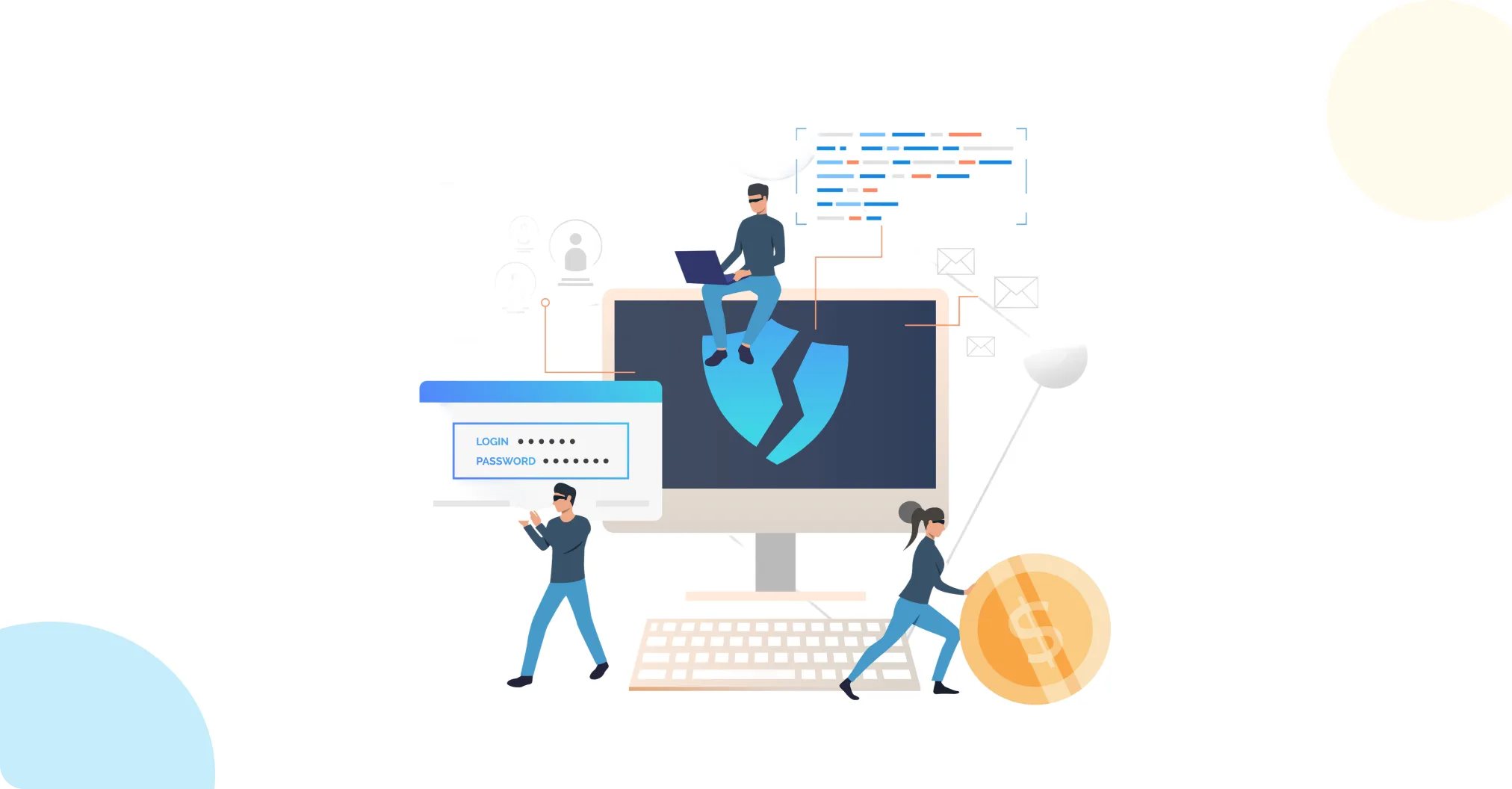

A large enterprise technology organisation operating a production application with a complex dependency ecosystem spanning direct package dependencies and multiple layers of transitive dependencies, managed through npm and a CI/CD pipeline, had accumulated a growing backlog of Critical, High, Medium, and Low-severity vulnerabilities. With the application serving production traffic and compliance obligations requiring demonstrable vulnerability management, the organisation needed a remediation approach that was thorough and safe – one that could address 100+ vulnerabilities without introducing regressions, breaking API contracts, or destabilising production. Applying its AI-First approach, Ksolves designed and deployed a GenAI Security Co-Pilot that turned a months-long remediation backlog into a governed, systematically executed, fully auditable programme, eliminating every confirmed vulnerability while keeping production stable.
- 100+ Vulnerabilities Accumulated Across Direct and Transitive Dependencies: Automated security scans identified more than 100 vulnerabilities spanning Critical, High, Medium, and Low severity across both directly declared package dependencies and transitive dependencies, making the remediation scope broader and more complex than a simple dependency upgrade exercise.
- Transitive Dependency Chains Making Safe Upgrade Paths Non-Trivial: Many vulnerabilities resided in packages three or more levels deep in the dependency graph, where upgrading required identifying the correct upstream dependency, resolving potential version conflicts, and ensuring changes did not cascade breaking changes through dependent packages.
- Risk of Introducing Regressions or Breaking Changes: Every dependency upgrade carried the risk of breaking API changes, incompatible peer dependency requirements, or functional regressions. Without systematic downstream impact analysis before application, the remediation programme posed a direct threat to production stability.
- Compliance Exposure From Unresolved Critical and High Severity Vulnerabilities: Critical and High severity vulnerabilities in a production application created direct compliance risk against industry security standards and internal governance policies - a demonstrable failure in security posture that auditors, customers, and regulators could identify.
- Manual Remediation at This Scale Impractical: Manually researching 100+ vulnerabilities, identifying safe upgrade paths, assessing breaking-change risk, implementing fixes, and validating changes would require an engineering investment measured in months, with the backlog growing faster than it could be resolved.
- No Governed Framework for AI-Assisted Code and Dependency Changes: The organisation required a governance framework with human review, approval gates, and audit trails to ensure that AI-proposed changes were validated before application and that no autonomous code modifications reached production without explicit security engineer sign-off.
Ksolves designed and deployed a GenAI Security Co-Pilot combining automated scan ingestion, intelligent dependency triage, AI-generated remediation proposals, and a rigorous human-in-the-loop governance framework. The co-pilot does not apply fixes autonomously: every proposed remediation is reviewed and approved by a security engineer before application. The governing principle: GenAI's research and reasoning capabilities are directed by human judgement, not replacing it.
- Automated Scan Ingestion and Vulnerability Triage: The platform ingests structured output from npm audit and CI pipeline security scans, classifies each finding by severity, dependency type (direct vs. transitive), exploitability, and production exposure - establishing a risk-prioritised remediation queue with Critical and High severity vulnerabilities addressed first.
- GenAI-Assisted Remediation Research and Proposal Generation: For each queued vulnerability, the co-pilot analyses CVE details, package version history, safe upgrade path, and downstream dependency impact - generating a structured remediation proposal with recommended package version, plain-English vulnerability explanation, breaking-change risk assessment, and specific code or configuration changes required.
- Transitive Dependency Graph Resolution: The platform maps the full dependency tree for each vulnerability, tracing transitive chains to identify the correct upstream package to modify, resolving version conflicts, and validating that the proposed upgrade path does not introduce new incompatibilities before presenting the recommendation for security engineer review.
- Human-in-the-Loop Approval Gates: Every AI-generated proposal passes through a mandatory security engineer review stage before application. Engineers can accept, modify, or reject each proposal - with all decisions logged in a complete audit trail documenting the rationale, reviewing engineer, and approval timestamp.
- Safe Upgrade Validation and Regression Testing: Accepted proposals are applied in a dedicated validation environment and run against the application's full automated test suite before merge - confirming each dependency upgrade or code fix produces no functional regressions before promotion to the production branch
Technology Stack
| Category | Technology |
|---|---|
| AI / GenAI | GenAI Remediation Co-Pilot (LLM) |
| DevSecOps | npm audit / CI Pipeline Security Scan |
| Platform | Dependency Vulnerability Triage Engine |
| Security | Transitive Dependency Resolver |
| Integration | Safe Upgrade Validation Pipeline |
| Methodology | AI Safety & Governance Framework |
- 100+ Vulnerabilities Fully Remediated Across All Severity Levels: All confirmed vulnerabilities across Critical, High, Medium, and Low severity remediated through the GenAI co-pilot programme, restoring the application to a clean security posture without any production regression.
- Critical and High Severity Vulnerabilities Prioritised and Resolved First: AI triage engine sequenced remediation by risk level, ensuring all Critical and High severity vulnerabilities were identified, proposed, reviewed, and resolved in the first phase - closing the highest-exposure attack surface first.
- Transitive Dependency Vulnerabilities Resolved Without Production Regressions: Transitive dependency resolver correctly identified the upgrade path for every transitive vulnerability and validated each change against the test suite before merge - zero production regressions across the full programme.
- Remediation Delivered Under Full Governance With Complete Audit Trail: Every remediation action - AI proposal, engineer review, approval decision, change application, and regression validation - logged in a complete audit trail providing demonstrable evidence of a governed, systematic security remediation programme.
- Security Engineering Capacity Focused on Review and Judgement, Not Research: The GenAI co-pilot handles research, dependency graph analysis, and proposal generation - focusing engineer time on review, approval, and validation, accelerating the per-vulnerability remediation cycle significantly.

“We had over a hundred vulnerabilities sitting in our backlog. Ksolves gave us an AI co-pilot that did the research, mapped the fix paths, and kept our engineers in control of every decision. We closed the entire backlog without a single regression in production.”
– CISO or Security Architecture Lead.
A large enterprise technology organisation carrying a backlog of 100+ vulnerabilities across all severity levels, with no governed framework for safe remediation at scale and manual research overhead measured in months, was transformed through Ksolves AI/ML and DevSecOps services. A GenAI Security Co-Pilot with automated scan ingestion, intelligent triage, transitive dependency graph resolution, human-in-loop approval gates, and regression validation eliminated every confirmed vulnerability without a single production regression. Every remediation action is auditable. Engineers focus on review and judgement rather than research. The governance framework is now a reusable blueprint for continuous automated security enforcement and future large-scale architectural modernisation.
Carrying a Vulnerability Backlog You Cannot Remediate Fast Enough or Safely Enough Without AI Assistance?