Project Name
Ksolves Decouples Query Generation From Data Execution for Secure On-Prem SQL Analytics
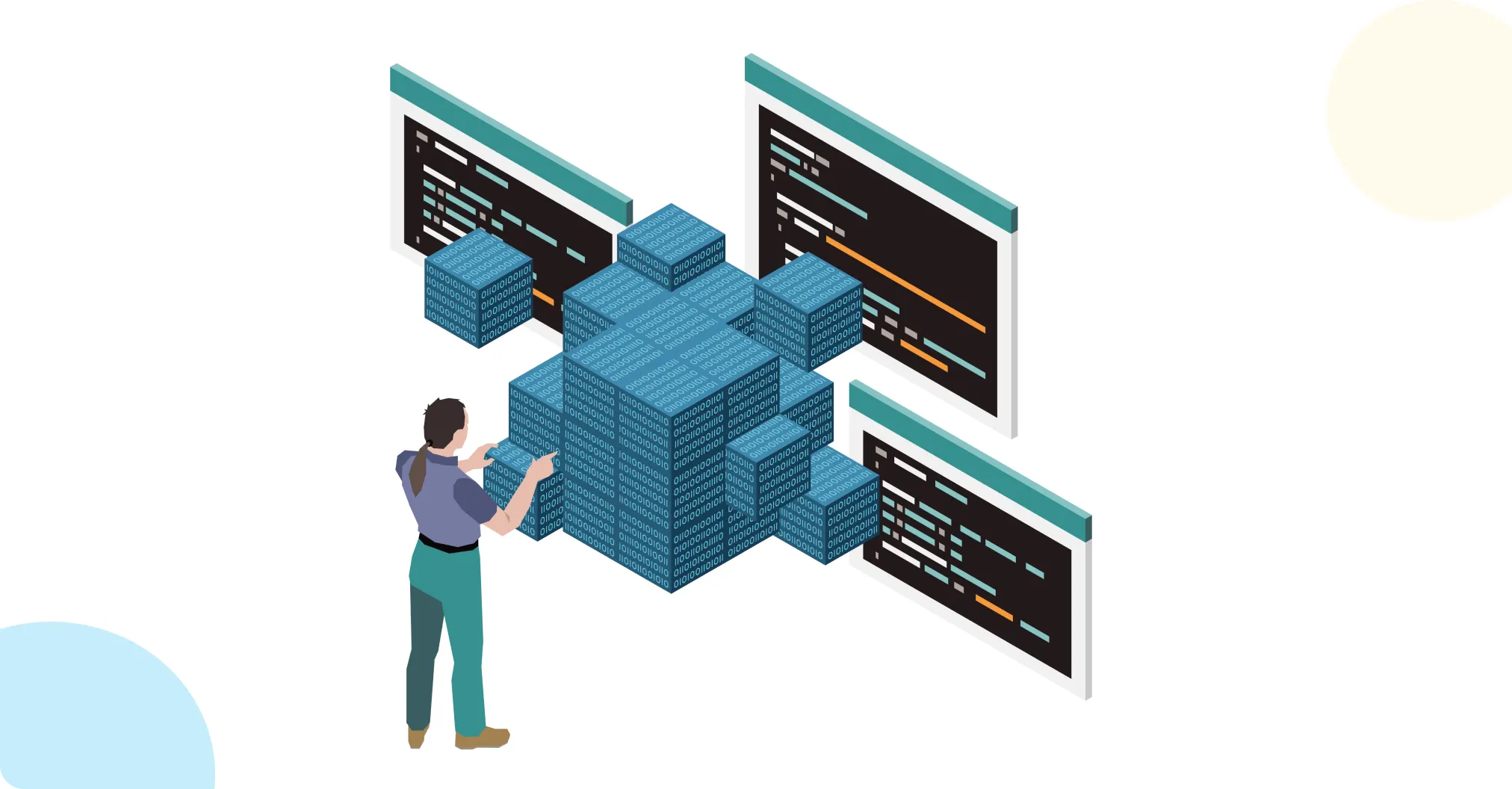

An organization managing network performance analytics in an on-premises SQLite store had a real problem: analysts needed to ask natural language questions about throughput, latency, and anomaly patterns, but every commercial NL-to-SQL platform required connecting to the database itself, exactly what the client’s data governance rules prohibited. Through an AI ML consulting engagement, Ksolves built an API-first query generation service based on one deliberate architectural principle: separation of generation from execution. The API converts a natural language question into a validated SQLite query string and returns it, nothing else: no database connection, no data access, no execution. The client runs the query themselves, in their own environment, against their own data. Query turnaround dropped by roughly 90%, and the AI layer never once touches the client’s data.
- Manual NL-to-SQL Translation Requiring Deep Specialist Knowledge: Converting natural language network performance questions into executable SQLite queries required knowledge of both SQLite and the specific network analytics schema, expertise concentrated in a small group that became a bottleneck for every request.
- Analyst Dependency on Specialist Teams Introducing Delays: Every question from network operations or capacity planning had to route through a SQL-capable specialist first, adding delay exactly where the value of the insight depended on how fast it arrived.
- Standard NL-to-SQL Solutions Incompatible With On-Premises Data Security Requirements: Most commercial NL-to-SQL platforms need database connectivity or schema access from the AI service itself, a model categorically incompatible with the client's security posture.
- Risk of Sensitive Network Analytics Data Leaving the Controlled Environment: Device identifiers, utilization rates, anomaly records, and topology data were all classified as operationally sensitive, so any architecture routing that data through an external AI service created unacceptable residency risk.
- No Programmatic SQL Generation Interface for Internal Tool Integration: The organization needed a callable API that developers could integrate into existing dashboards and automation pipelines, not a consumer-grade chat UI.
- Schema Complexity of Network Analytics Data Requiring Domain-Specific Query Generation: The client's schema contained domain-specific concepts, latency buckets, throughput windows, and anomaly severity classifications that a generic SQL generation model wouldn't map correctly without tuning.
Ksolves built the service around one deliberate principle: separation of generation from execution. The API accepts a natural language question and returns a validated SQLite query string and nothing else: no database connection, no data access, no execution capability at any stage.
- API-First Query Generation Endpoint: A dedicated REST API accepts natural language network performance questions, passes them through the LLM-powered generation engine, validates the result against the client's declared schema, and returns the query string with zero database connectivity at the generation layer.
- LLM-Powered NL-to-SQLite Translation: The generation engine interprets free-text questions covering performance trends, utilization metrics, latency analysis, anomaly detection, and device comparisons, producing syntactically correct, schema-aligned queries with the right filters and joins for each intent.
- Domain-Specific Network Analytics Schema Mapping: A schema mapper binds natural language concepts like throughput, latency, and anomaly severity to their exact table and column definitions in the client's schema, without ever requiring schema exposure to the AI service itself.
- Generation-Execution Decoupling for Data Sovereignty: The generation API runs as a stateless service with no persistence, no database credentials, and no network path to the client's data environment. Execution stays entirely inside the client's own controlled environment, under their own access controls and audit logging.
- Programmatic Integration Interface for Internal Tooling: The API-first design lets Data Engineers integrate NL-to-SQLite generation directly into existing dashboards and automation workflows, consuming it as a programmable service rather than a standalone UI.
Technology Stack
| Category | Technology |
|---|---|
| AI / NLP | LLM-Powered NL-to-SQL Engine |
| Architecture | API-First Query Generation Interface |
| Database | SQLite (On-Premises Target Store) |
| Platform | Schema-Aware Query Generation Layer |
| Security | Generation-Execution Decoupling Model |
| Methodology | Stateless API Design for Data Sovereignty |
- Zero Data Exposure, Full AI Capability: The generation-execution separation delivers complete NL-to-SQLite capability with the AI layer never connecting to, accessing, or processing any client data, meeting the organization's strictest data sovereignty requirements.
- 90% Faster Query Turnaround: What used to route through specialist queuing and manual SQL authoring now returns a validated query in seconds, cutting turnaround by roughly 90%.
- Specialist Dependency Eliminated for Routine Queries: Analysts submit natural language questions directly and get validated SQLite queries immediately, removing the specialist intermediation step for routine network analytics work.
- Programmatic Access Across Internal Tooling: The REST API endpoint now lets Data Engineers integrate NL-to-SQLite generation directly into internal tools, dashboards, and automation pipelines instead of relying on manual query authoring outside those workflows.
- Stateless, Audit-Clean Generation Service: The API retains no session data, query history, or schema content between requests, giving the organization a clean audit trail that satisfies its data residency requirements.

“Ksolves built exactly what we needed: AI-powered query generation that our data never passes through. The API generates the query; we run it ourselves. That separation was non-negotiable for us, and they delivered it cleanly.”
– Security Architect, Telecommunications & Network Data Analytics
This organization had a real analytical need, letting analysts ask plain-language questions about network performance, and a hard constraint that ruled out almost every available solution: no AI service could touch the data itself. Ksolves AI ML consulting work resolved that by architecturally separating generation from execution: the API produces a query string and nothing more, and the client runs it entirely inside their own environment.
Query turnaround dropped by roughly 90%, specialist dependency disappeared for routine questions, and the entire service stays stateless enough to satisfy the organization’s audit and data residency requirements. Analysts get their answer in seconds instead of waiting in a queue, without the organization ever having to compromise on where its data lives.
The same generation-execution separation pattern is ready to extend to other on-premises data stores as the organization’s analytical tooling grows.
Need AI-Powered SQL Generation That Never Touches Your Data Because It Can’t Leave the Building?