Project Name
Streamlined Sales, Inventory, Pricing, and Delivery for a B2B Wholesale Distributor with Odoo
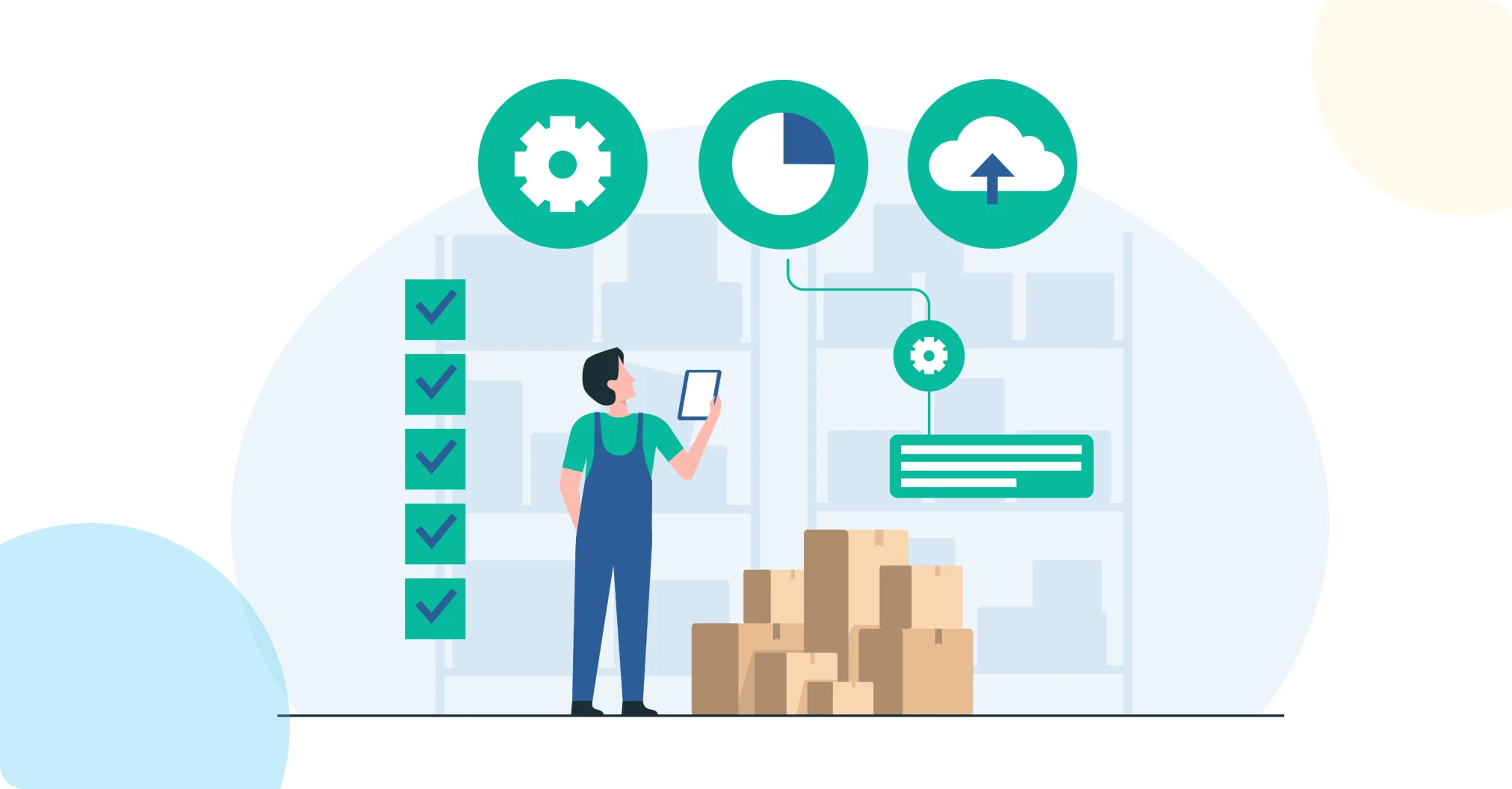

Our client is a rapidly growing B2B wholesale distribution company supplying products to retailers, resellers, and business customers across multiple regions. The organisation manages a large product catalogue of 850-plus active products, 25-plus suppliers, three warehouses, and more than 120 B2B customers, processing approximately 1,200 sales orders per month. The business manages complex customer-specific pricing, multi-supplier procurement, multi-warehouse inventory, and a fulfilment workflow spanning picking, packing, delivery, invoicing, and payment.
Prior to this engagement, each of these functions operated on separate spreadsheets and disconnected applications. This made coordinated visibility across sales, purchasing, warehouse, and finance structurally impossible and created compounding operational problems as order volume grew.
Disconnected processes, limited visibility, and manual workflows were slowing down operations and impacting business efficiency.
- Complex Customer-Specific Pricing: Customers received different prices based on quantities, categories, negotiated agreements, and commercial terms. Sales teams relied on spreadsheets to determine prices, increasing errors and making pricing consistency difficult.
- Limited Inventory Visibility Across Three Warehouses: Sales teams lacked a reliable view of available, reserved, and incoming stock across three warehouses, making it difficult to confirm actual availability and the right fulfilment location.
- Manual Procurement and Replenishment: Purchasing teams tracked stock and demand through spreadsheets, leading to stockouts, delayed orders, excess inventory, and higher holding costs without data-driven replenishment triggers.
- Disconnected Departments: Sales, purchasing, warehouse, and finance teams worked with separate information, requiring repeated data entry and increasing administrative effort and inconsistencies across the order-to-cash cycle.
- Multiple Suppliers With Different Terms: Vendor prices, minimum order quantities, and lead times were scattered across spreadsheets, making supplier comparison and purchasing decisions slower and less efficient.
- Warehouse and Delivery Delays: Fulfilment instructions were shared manually, slowing picking, packing, and delivery coordination, especially for large or partially available orders.
- Delayed Invoicing: Disconnected sales, delivery, and finance processes delayed invoice generation after delivery, increasing administrative work and slowing the overall order-to-cash cycle.
Ksolves, an AI-first Odoo development company, implemented Odoo 19 Enterprise to centralise the wholesale distribution operation and connect the complete workflow, from customer enquiry and sales to inventory, procurement, delivery, invoicing, and reporting.
- Customer-Specific Pricing - Odoo Pricelists: Pricelists were configured to apply prices based on customer, category, quantity, currency, validity, and negotiated agreements. This eliminated manual spreadsheet lookups, improved pricing consistency, and reduced pricing errors.
- Centralised Sales Order Management: Odoo Sales manages customer details, products, quantities, pricing, discounts, delivery addresses, and order information in one workflow. Confirmed quotations automatically flow into fulfilment, reducing duplicate data entry across teams.
- Real-Time Inventory Visibility Across Three Warehouses: Odoo Inventory provides visibility into on-hand, reserved, incoming, and forecasted stock across all three warehouses. Sales teams can identify shortages before confirming orders and provide more accurate delivery commitments.
- Automated Replenishment and Purchasing: Odoo generates replenishment signals when stock reaches defined levels. The Purchase module manages RFQs, purchase orders, vendor pricing, lead times, minimum quantities, and procurement analysis to support efficient purchasing.
- Multi-Vendor Management: Vendor-specific product details are maintained in Odoo, allowing purchasing teams to compare supplier prices, minimum quantities, lead times, and priorities when planning procurement.
- Units of Measure Management: Odoo manages different purchasing, inventory, and sales units, such as cartons, pieces, and boxes. This reduces manual conversions and minimises quantity-related errors.
- Warehouse and Delivery Management: Confirmed sales orders flow directly into warehouse fulfilment through delivery orders, picking, packing, and shipment. Partial deliveries are tracked, with outstanding quantities remaining visible for subsequent fulfilment.
- Integrated Invoicing: Sales, delivery, invoicing, and payments are connected through one workflow. Finance teams can access transaction information directly in Odoo, reducing manual handoffs and accelerating invoice generation.
- Digital B2B Ordering via Odoo eCommerce: Approved B2B customers can access relevant products and customer-specific pricing through an authenticated eCommerce portal, enabling repeat orders without routine sales-team intervention.
- Centralised Business Reporting: Management gains consolidated visibility into customers, product performance, stock shortages, supplier lead times, procurement spending, profitability, and margins, enabling faster, data-driven decisions.
Technology Stack
| Category | Technology |
|---|---|
| Platform | Odoo 19 Enterprise |
| Modules | Sales, eCommerce, Inventory, Purchase, Warehouse, Accounting, and Reporting |
The Odoo transformation delivered measurable gains across order processing, inventory, fulfilment, invoicing, and customer ordering.
- Order Processing Time Reduced by 56%: Average processing time fell from 18 minutes to 8 minutes by eliminating manual pricing lookups, warehouse confirmation calls, and duplicate data entry.
- Inventory Accuracy Improved to 97%: Real-time visibility across all three warehouses provided accurate on-hand, reserved, incoming, and forecasted stock positions, reducing reliance on manual availability checks.
- Pricing Errors Reduced From 7–9% to Under 2%: Automated customer-specific pricelists replaced manual spreadsheet lookups, ensuring the right prices were applied based on customer, quantity, and negotiated terms.
- On-Time Delivery Improved From 76% to 94%: Integrated sales and warehouse workflows, real-time inventory visibility, and partial delivery tracking improved fulfilment and delivery performance.
- Order Fulfilment Time Cut From 2.5 Days to 1.4 Days: Shared ERP workflows, automated picking, and real-time inventory positions reduced coordination delays between sales and warehouse teams.
- Stockout Incidents Reduced From 14 to 5 Per Month: System-driven replenishment based on real inventory data reduced under-purchasing and prevented unnecessary excess stock.
- Same-Day Invoicing Achieved: The connected Sales → Delivery → Invoice workflow enabled invoices to be processed on the same day as delivery, eliminating manual information handoffs.
- 28% of Orders Now Placed Through the B2B Digital Portal: Customers can place repeat orders online with their customer-specific pricing, reducing routine sales enquiries and improving ordering convenience.

By implementing Odoo 19 Enterprise, Ksolves connected the distributor’s sales, pricing, inventory, procurement, warehouse, delivery, and finance operations on a single platform. Automated pricing, real-time stock visibility, replenishment, fulfilment, and invoicing replaced fragmented manual processes with a connected workflow. For a business managing 120+ customers, 3 warehouses, 25+ suppliers, and 1,200 orders per month, this transformation delivered faster order processing, fewer errors, better inventory control, and improved fulfilment, creating a scalable operational foundation for continued growth.
Is Your Sales Team Still Calling the Warehouse to Confirm Stock Before Committing to a Customer Delivery Date?