Project Name
Four Disagreeing Network Data Systems Unified Into One Trusted Topology Foundation

A network performance management platform ingesting topology, diagnostic, and telemetry data from multiple upstream sources, including CMTS systems, remote databases, and network inventory tools, had accumulated years of data quality problems. Inconsistent node names, stale topology exports, mismatched remote records, and unresolved naming conventions from equipment migrations had made network topology data untrustworthy for downstream analytics. Operations teams had learned to distrust automated reports, engineers spent hours reconciling conflicting exports, and analytics built on stale node data quietly misled the teams relying on them. Applying its AI-First approach, Ksolves designed a topology normalisation layer that synchronises node names, CMTS mappings, and remote data sources into a single trusted master data foundation.
- Inconsistent Node Naming: Node names across topology sources, CMTS systems, and remote databases used different conventions and had accumulated legacy artefacts from equipment replacements - creating irreconcilable mismatches in join operations across all downstream systems.
- Stale Topology Exports: Scheduled topology exports from upstream systems operated on long intervals - the platform's topology view could be hours or days out of date relative to the live network state, silently misleading analytics.
- Remote Database Synchronisation Failures: Remote database sync jobs failed silently on intermittent connectivity, leaving the local topology store with missing or outdated records indistinguishable from current data.
- Legacy Node Name Artefacts: Legacy node identifiers from previous equipment generations persisted in parts of the system, causing downstream queries to return duplicate records or miss data for renamed nodes.
- No Topology Consistency Validation: No automated validation process to detect when topology data across sources had drifted out of sync - discrepancies only surfaced when an analyst noticed an anomaly in a report.
- API and UI Inconsistency: Topology data surfaced through the API and UI did not always reflect the same records because they read from different source tables with different update cadences - confusing operators comparing results.
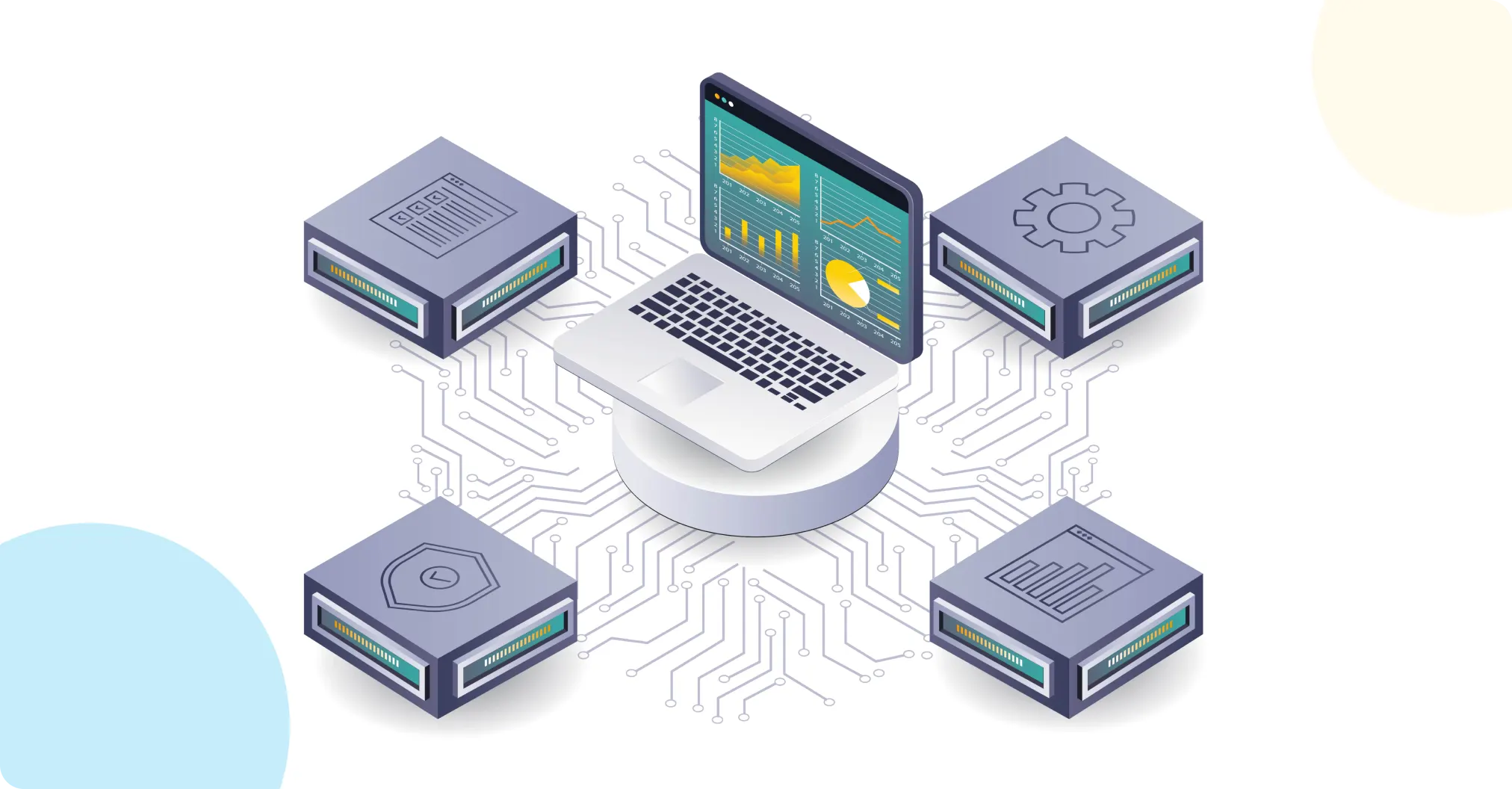
Ksolves designed the topology normalisation layer around a master record model: one authoritative topology store that all downstream systems read from, fed by a normalisation pipeline that resolves naming conflicts, detects staleness, and validates consistency across every upstream source before any record is promoted to the master. The governing principle was trust before consumption - no topology record enters the master store without passing automated consistency checks.
- Topology Normalisation Pipeline: Ingestion pipeline consuming topology exports from all upstream sources, applying node name normalisation rules, resolving legacy identifier artefacts, and producing a single canonical record per network node before promotion to the master store.
- Master Data Management Store: Single authoritative topology store serving as the source of truth for all downstream consumers - API, UI, analytics, and alerting - eliminating divergence caused by multiple systems reading from different source tables.
- Remote DB Sync With Failure Detection: Remote database synchronisation layer re-engineered with health checks, failure detection, and automatic retry - sync failures surfaced immediately rather than silently leaving stale data in the master store.
- Topology Poller With Change Detection: Real-time topology poller detecting node additions, removals, and renames, triggering immediate normalisation and master store updates rather than waiting for scheduled export cycles.
- API and UI Consistency Enforcement: API and UI data paths aligned to read exclusively from the master topology store - eliminating discrepancies caused by different consumers reading from different source tables at different cadences.
Technology Stack
| Category | Technology |
|---|---|
| Processing | Topology Normalisation Pipeline |
| Database | Master Data Management Store |
| Integration | Remote DB Sync with Health Monitoring |
| Architecture | Topology Change Poller |
| Methodology | Data Quality Validation Framework |
- Cross-Source Discrepancy Rate Near Zero: Before: four data systems regularly disagreed on node names and attributes, forcing manual reconciliation before any cross-source analytics could be trusted. After: master data management store delivers consistent topology records across all consumers, discrepancy rate near zero (target).
- Staleness Detection Within Minutes: Before: topology staleness could persist hours or days before an analyst noticed an anomaly with no automated detection. After: real-time change poller and sync failure detection surface staleness within minutes with automated alerts on any synchronisation failure (target).
- Legacy Node Name Artefacts Eliminated: Before: legacy node identifiers caused duplicate records and missed joins requiring periodic manual clean-up. After: normalisation pipeline eliminates legacy artefact duplication, zero duplicate or unresolved node records in validation testing (target).
- 100% API and UI Topology Consistency: Before: API and UI views diverged regularly because they read from different source tables at different intervals. After: both read exclusively from the master topology store, achieving 100% consistency between all consumer surfaces (target).

“We finally have one version of the truth for our network topology. The data quality improvement has made our analytics reliable in a way they simply weren’t before.”
-Chief Data Officer or Head of Data Platform.
A network performance management platform whose four data systems disagreed on node names, surfaced stale topology views, and allowed silent sync failures to corrupt downstream analytics was transformed through Ksolves Big Data services. A master data management architecture with real-time normalisation, failure detection, and single-source consumption delivers a consistently trusted topology foundation. Cross-source discrepancy rate near zero. Staleness detected within minutes. Legacy artefacts eliminated. API and UI 100% consistent. A trusted topology foundation now enables reliable AI-driven anomaly detection, capacity planning, and automated root-cause analysis across the full device fleet.
Are Your Network Analytics Built on Topology Data You Cannot Fully Trust?