
Project Name
Built a Governance-Driven Inquiry-to-Dispatch ERPNext System
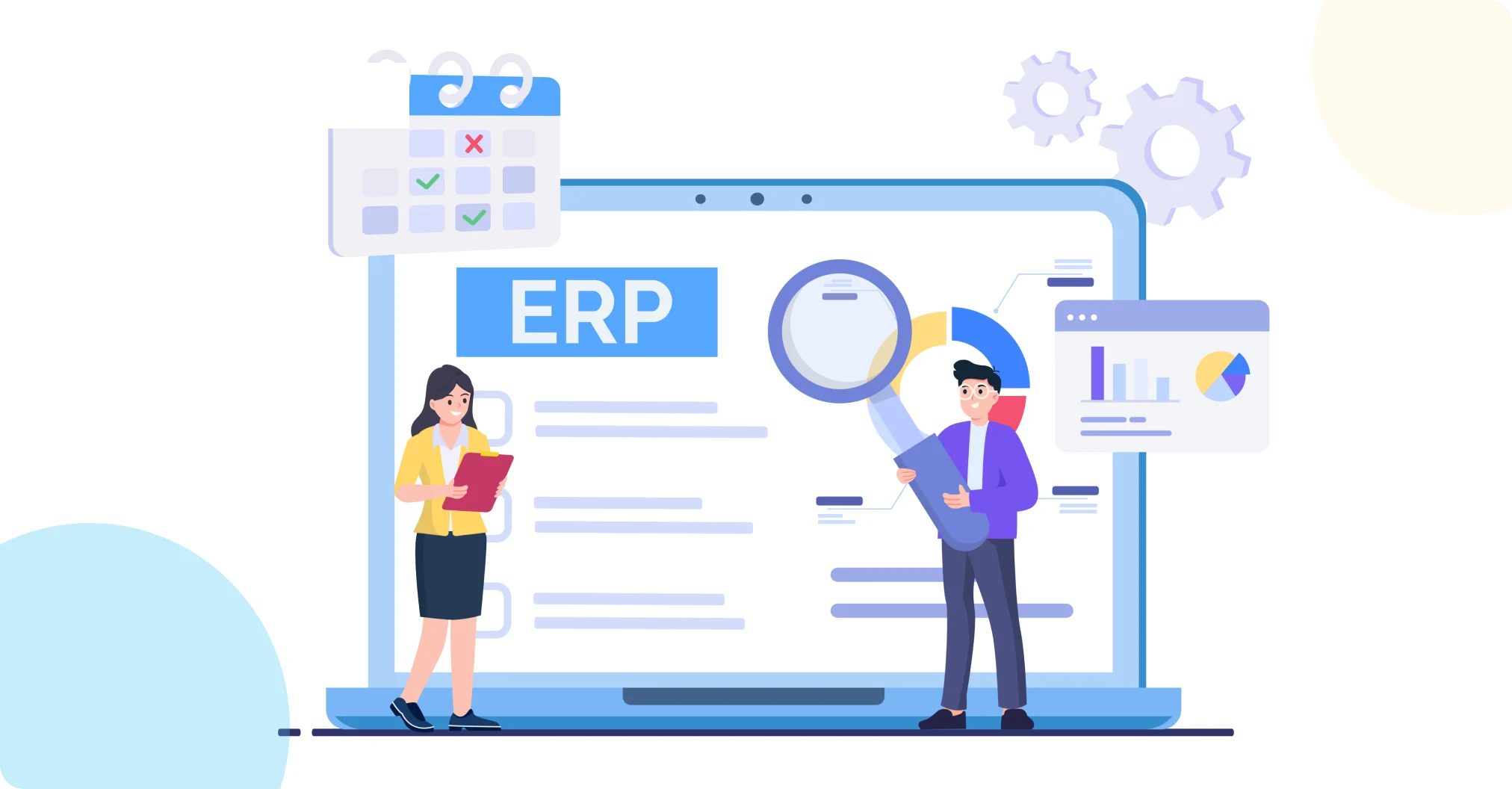

A Delhi NCR-based trading and distribution company supplying electrical, automation, and mechanical products to industrial and infrastructure clients was managing sales, inventory, and dispatch through manual processes and spreadsheets, with Tally used for accounting. The lack of system-enforced checks between inquiry, quotation, sales order, and dispatch created gaps in technical, commercial, inspection, and shipment documentation.
To close these gaps, the company chose ERPNext v16 with Ksolves as its implementation and development partner, built around a governed Inquiry-to-Dispatch framework rather than a standard out-of-the-box rollout.
The company needed stronger process controls across sales, approvals, pricing, inventory, compliance, dispatch, and payroll to reduce manual gaps and prevent errors downstream.
- Incomplete Inquiries Reaching Quotation: Sales inquiries moved to quotation without a consistent set of technical details (specifications, make, timeline) captured up front, creating rework and misquotes downstream.
- No Enforced Approval Before Order Confirmation: Sales orders could be confirmed without commercial, technical, and timeline sign-off all being in place, leaving room for orders to proceed on incomplete validation.
- Dispatch Without Verified Documentation: Delivery Challans could be generated without confirming that inspection reports, letters of credit, or dispatch instructions had actually cleared - the exact gap the company wanted eliminated.
- Price Variance Going Unflagged: Quoted prices could drift from standard buying or list price with no system check, exposing margin without anyone necessarily noticing at the time of quoting.
- Fragmented Warehouse Visibility: Stock across multiple physical and logical locations wasn't tracked in one place, and there was no reservation mechanism to stop the same material being committed to two orders.
- Manual GST Compliance and Invoicing: GST filing readiness (HSN mapping, e-Way Bills, GSTR-1) and sales invoicing were handled manually, disconnected from the dispatch process that should have triggered them.
- Manual Attendance and Payroll Processing: Attendance was tracked outside any system feeding payroll, adding manual reconciliation every cycle.
Ksolves, an AI-first technology company offering end-to-end ERPNext services, delivered the engagement across a phased 12-week roadmap - Discovery & Blueprinting, Operational Core (CRM, Sales, Inventory, Dispatch), Financials & HR, UAT & Training, and Go-Live- with the Dispatch Lock and Approval Gates as the architectural center of the build rather than an add-on.
- 12-Point Inquiry Checklist: Custom fields were added to the Lead and Opportunity forms to enforce capture of all required technical details before an inquiry can move to Quotation, with technical documents (GTPs, datasheets) auto-attached based on the Material Codes selected.
- The Dispatch Lock (Custom Validation Script): A custom script blocks Delivery Challan generation until inspection reports, letter-of-credit status, and dispatch instructions are all marked complete, closing the exact gap that motivated the project.
- 3-Level Approval Gates on Sales Orders: Commercial, technical, and timeline approvals are now mandatory system checkpoints before a Sales Order can be confirmed, replacing informal sign-off.
- Price Fluctuation Alerts: A validation rule flags or blocks quotations where the quoted price deviates materially from standard buying or list price, catching margin exposure at the point of quoting.
- Warehouse Hierarchy and Stock Reservation: Multi-location warehouse structure was configured to track stock across physical and logical zones, with Stock Reservation tied to confirmed Sales Orders to prevent double-commitment of material.
- India Compliance App for GST Automation: The India Compliance app was configured for HSN mapping, e-Way Bill generation, and GSTR-1 readiness, with one-click Sales Invoice generation from confirmed Delivery Challans.
- Biometric-Integrated HRMS and Payroll: Employee lifecycle management was configured end-to-end, with eSSL biometric devices integrated for automated attendance feeding directly into payroll processing.
Technology Stack
| Category | Technology |
|---|---|
| Platform | ERPNext v16 on Frappe Framework |
| Database | MySQL / MariaDB |
| Compliance | India Compliance App (HSN, E-Way Bill, GSTR-1) |
| HR Integration | eSSL Biometric Devices |
| Hosting | Frappe Cloud |
| Modules | CRM · Sales · Inventory · Dispatch · Accounting · HR & Payroll |
The ERPNext implementation transformed key sales, dispatch, inventory, compliance, and payroll processes from manual controls into system-enforced workflows.
- Dispatch Now Requires Verified Documentation, Not Manual Sign-Off: The Dispatch Lock blocks generation until inspection reports, LC status, and shipment documentation are confirmed in the system, closing a gap that existed entirely under the old Tally-and-Excel process.
- Sales Orders Can No Longer Bypass Approval: Commercial, technical, and timeline sign-off is now a system-enforced checkpoint before any Sales Order is confirmed.
- GST Filing and Invoicing Moved Off Manual Spreadsheets: HSN mapping, e-Way Bill generation, and Sales Invoice creation now run through the India Compliance app and trigger directly from confirmed Delivery Challans.
- Stock Visibility Consolidated From Multiple Untracked Locations: Warehouse stock is now unified with Stock Reservation preventing double-commitment.
- Attendance and Payroll No Longer Manually Reconciled: Biometric attendance now feeds payroll directly, replacing a manual reconciliation step.

This engagement shows what a governance-first approach to ERPNext can look like for a trading and distribution business used to running on manual sign-offs and disconnected spreadsheets. Rather than a standard modules rollout, Ksolves built the Inquiry-to-Dispatch process around enforced checkpoints – the Dispatch Lock, the 3-Level Approval Gates, and the 12-point inquiry checklist, so that policy compliance is a system behavior, not a matter of individual diligence. The company now has full traceability from inquiry to invoice, with GST compliance and payroll running as connected processes rather than manual afterthoughts.
Still Relying on Manual Sign-Offs Between Inquiry and Dispatch?