Project Name
Cutting Approval Cycle Times with Camunda and Odoo 18 BPMN Orchestration
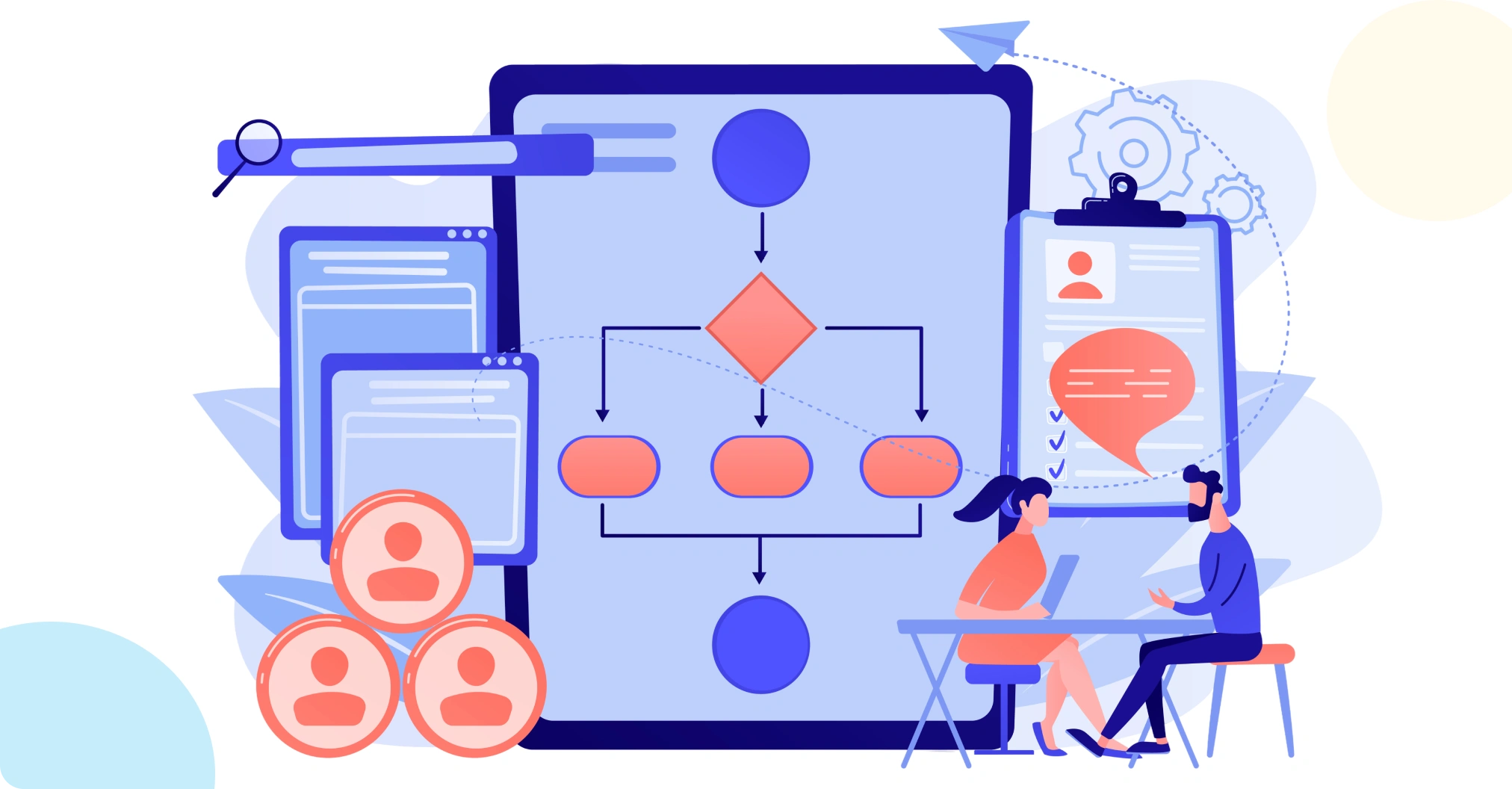

Our client is a mid-to-large enterprise operating across multiple business functions, including sales, finance, HR, and procurement, on Odoo 18 as its core ERP platform. Across these functions, the organisation relies on structured approval workflows: purchase order authorisations, invoice validations, HR onboarding sign-offs, and customer escalation routing.
Despite Odoo’s strong transactional capabilities, the organisation’s workflow complexity had outgrown what Odoo’s native server actions and predefined logic could manage. Long-running, multi-department approval chains required frequent manual intervention, lacked centralised visibility, and could not be updated without modifying ERP code directly.
The engagement with Ksolves was initiated to decouple workflow orchestration from ERP logic by integrating Camunda as a dedicated BPMN process engine alongside Odoo 18, giving the business the ability to govern, monitor, and adapt complex approval workflows without touching the ERP.
Multi-department approval workflows stalling in email threads, embedded ERP logic that required a developer to change a routing rule, and operations managers with no visibility into whether a workflow was on track or already breaching its SLA.
- Multi-Department Approval Workflows Stalling: Approval processes across HR, Finance, and Procurement lacked centralized orchestration. Workflows stalled in email threads or manual trackers, with no automated escalations or timeout mechanisms to keep approvals moving.
- Odoo Native Workflow Logic Too Rigid: Odoo 18's built-in workflows could not support complex, event-driven, or branching approval processes. Even minor workflow changes required ERP code modifications and developer involvement.
- No Real-Time Process Visibility or SLA Monitoring: Operations teams had no centralized dashboard to track workflow progress, identify bottlenecks, or detect potential SLA breaches before deadlines were missed.
- Inconsistent Approval Enforcement: Approval rules, thresholds, and escalation paths varied across departments, increasing compliance risks and making audits more complex and time-consuming.
- Workflow Changes Dependent on ERP Releases: Business-driven updates to approval rules or routing logic required developer intervention and full ERP release cycles, slowing operational agility.
- Limited Cross-System Workflow Orchestration: The existing architecture could not reliably coordinate workflows across Odoo and external systems, making integrations fragile and difficult to scale.
Ksolves, an AI-first Odoo development company, architected and delivered a microservices-based integration between Camunda and Odoo 18, creating a clear separation between ERP operations and workflow orchestration. Odoo continues to manage business data and transactions, while Camunda controls workflow routing, approvals, and lifecycle management. This enables workflows to be designed, updated, and deployed independently without modifying Odoo code.
- BPMN Workflow Engine Integration: Deployed Camunda Platform 7 and 8 as the workflow orchestration layer, modelling approval processes with BPMN diagrams so business teams can design and update workflows without developer involvement.
- REST API Integration Layer: Built a bidirectional REST API framework where Odoo triggers Camunda workflows and Camunda securely reads and updates ERP records through APIs, ensuring loose coupling between both platforms.
- Webhook & Callback Architecture: Implemented real-time webhooks to synchronize workflow events such as approvals, task completions, and status changes back to Odoo, keeping ERP records continuously up to date.
- Asynchronous Messaging with Kafka & RabbitMQ: Integrated Kafka and RabbitMQ to support reliable, asynchronous communication between Odoo and Camunda, improving resilience and scalability for high-volume workflows.
- External Task Worker Pattern: Configured Odoo as a Camunda External Task Worker to execute business tasks such as record updates and notifications with built-in retry and error-handling capabilities.
- Docker & Kubernetes Deployment: Containerized Camunda, middleware, and supporting services using Docker and Kubernetes, enabling scalable, zero-downtime deployments and consistent environments across development and production.
Technology Stack
| Category | Technology |
|---|---|
| Workflow Orchestration | Camunda Platform 7 / 8 (BPMN Engine) |
| ERP Platform | Odoo 18 (ERP Backbone) |
| Integration Layer | REST APIs / Webhooks / Kafka / RabbitMQ |
| Backend / Middleware | Python (Odoo) / Node.js (Optional Middleware) |
| Infrastructure | Docker / Kubernetes |
Automated workflow orchestration accelerated approvals, simplified workflow updates, improved real-time visibility, and ensured consistent governance across the organization.
- Approval Cycle Times Reduced by 50%: Automated routing, escalations, and timeout enforcement eliminate manual follow-ups and significantly accelerate multi-step approval processes.
- Workflow Changes Delivered in Hours Instead of Sprints: Business teams can update BPMN workflows in Camunda and deploy changes independently, removing the need for ERP code changes and lengthy engineering release cycles.
- 100% Visibility into Active Workflows: Real-time dashboards provide complete visibility into workflow progress, task queues, bottlenecks, and SLA status, enabling proactive issue resolution.
- Standardized Approval Governance: Centralized BPMN workflows enforce consistent approval rules and escalation paths across all business units, improving compliance and simplifying audits.

By integrating Camunda with Odoo 18, Ksolves transformed fragmented, manual approval processes into a centralized, automated workflow ecosystem. The solution decoupled workflow orchestration from the ERP, enabling faster approvals, real-time visibility, consistent governance, and business-led workflow updates without code changes. With a scalable BPMN-based architecture, the organization is now well-positioned to extend automation across additional business processes while maintaining operational agility and compliance.
Are Your Approval Workflows Still Living in Email Threads and Spreadsheets, Invisible, Inconsistent, and One SLA Breach Away from a Compliance Issue?