Project Name
Mitigating Escalating Odoo.sh Storage Costs Through a Strategic AWS S3 Migration Architecture
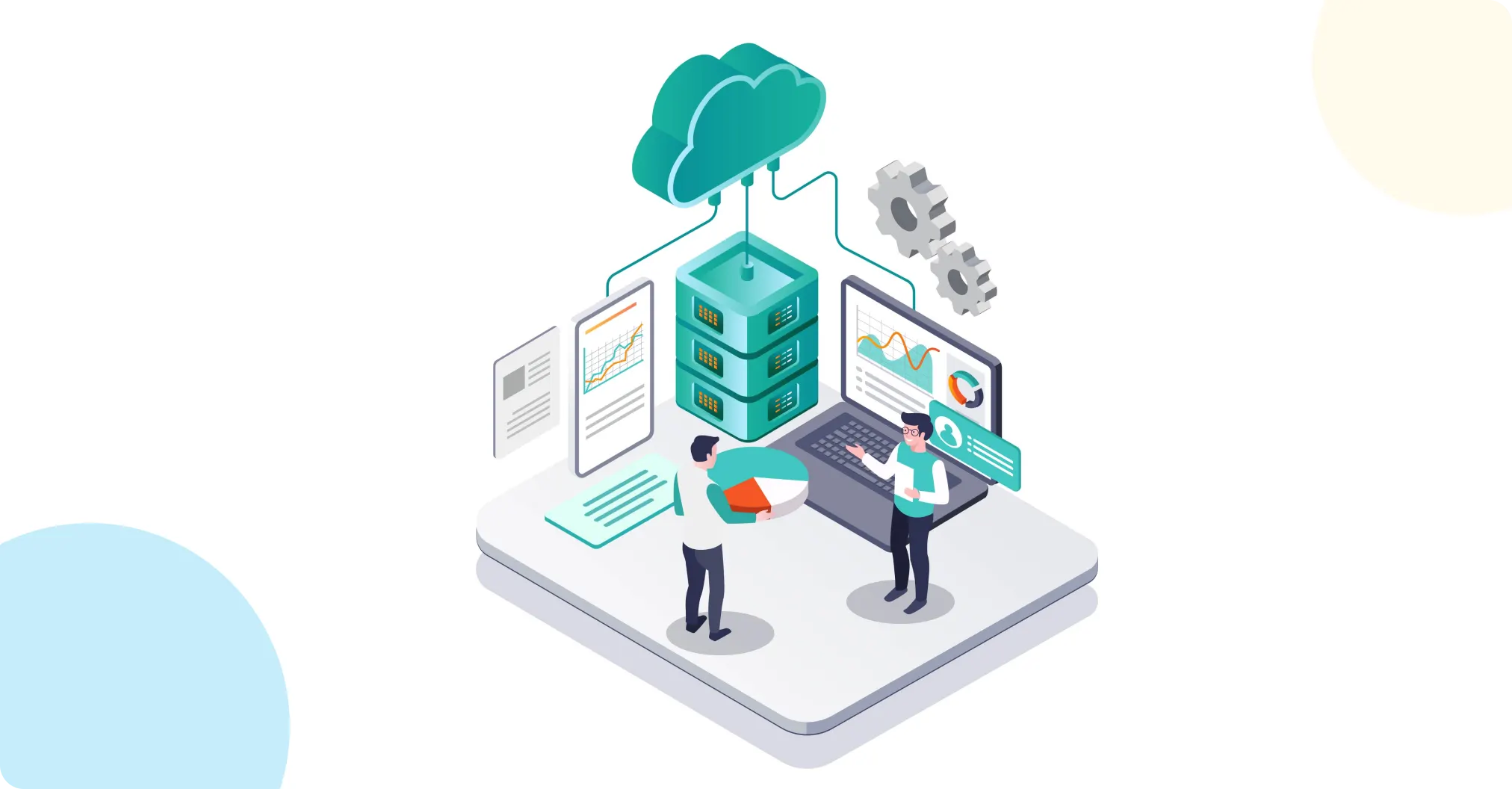

Our client is a prominent US-based enterprise operating on Odoo.sh as their primary ERP platform. As operational data accumulated over time, the organisation’s Odoo.sh storage footprint had grown to a point where recurring extra storage allocation penalties were becoming a high and predictable overhead cost.
The organisation maintained active development pipelines across Production, Staging, and Local environments, making the migration technically complex beyond simple file offloading.
The client needed a storage architecture that could reduce Odoo.sh storage costs materially, maintain front-end performance, support cross-environment development workflows without data loss or broken file references, and preserve complete reversibility if the storage strategy changed in the future.
These challenges required a storage approach that could handle scale, performance, migration, and cross-environment reliability.
- The All-in-One Attachment Architecture of Odoo: Odoo does not inherently differentiate between a user-uploaded 15MB product video and a critical system asset. Application icons, website images, XML files, compiled CSS, and core JavaScript frameworks are all stored under the ir.attachment model. Early testing showed that moving all attachments to AWS S3 created severe performance issues, as even basic UI components required external AWS calls, increasing latency and eventually crashing the staging server.
- Migrating Massive Volumes of Legacy Data – 100,000+ Files: The client had over 100,000 legacy files stored directly in the Odoo filestore. Migrating everything in a single run would saturate server bandwidth, strain database operations, and cause significant lag during US business hours. A controlled batching and scheduling strategy was essential.
- The Cross-Environment Syncing Dilemma: Enterprise development requires testing across Production, Staging, and Local environments. When production databases are restored to staging or local systems, standard S3 configurations can lose track of file paths, causing missing files, broken images, and inaccessible documents for developers and QA teams.
- Vendor Lock-In and Reversibility Risk: A cloud storage architecture that creates permanent dependency on one provider introduces long-term governance risks. The client needed an architecture that maintained data autonomy while providing a clear path back to local Odoo file storage if required.
Ksolves, an AI-first Odoo development company, designed a four-phase storage strategy covering data filtration, legacy migration, cross-environment access, and reversibility, avoiding the limitations of a generic S3 integration.
- Phase 1 – Smart Exclusion Matrix for New Data: Ksolves built an intelligent filtering engine that keeps critical system assets such as icons, CSS, JavaScript, and XML files on local storage for fast UI performance, while routing business documents and media directly to AWS S3. Filtering is based on backend models and MIME types.
- Phase 2 – Off-Peak, Fail-Safe Legacy Migration: Ksolves migrated 100,000+ legacy files during low-traffic US hours using controlled batches of 500–1,000 records. Each file was uploaded, checksum-verified, and removed from the Odoo.sh filestore, while failed files were logged and skipped without interrupting the migration.
- Phase 3 – Unified Cross-Environment Routing: Ksolves introduced a logical Read Folder architecture that automatically routes new files to environment-specific S3 folders. Staging environments can access production attachments through a read-only path without duplicating the entire production dataset.
- Phase 4 – Absolute Reversibility and Data Autonomy: Ksolves added a reverse migration capability that can move files from S3 back to the local Odoo filestore while preserving its structure. This keeps the architecture flexible and avoids permanent dependency on AWS or any single cloud provider.
Technology Stack
| Category | Technology |
|---|---|
| Platform | Odoo.sh |
| Cloud Storage | AWS S3 |
| Filtration | Custom Exclusion Matrix |
| Migration | Batching Engine with Checksum Verification |
| Resilience | Asynchronous Exception Logger |
| Architecture | Read Folder Cross-Environment Router |
From recurring Odoo.sh storage costs and a 100,000+ file legacy repository to 80% storage reduction, zero-downtime migration, and a fully reversible cloud architecture.
- 80% Reduction in Odoo.sh Storage: Offloading business media to AWS S3 reduced the Odoo.sh storage footprint by 80%, eliminating recurring extra-storage costs.
- Zero Disruption to Live Operations: Over 100,000 files were migrated during off-peak hours with zero downtime, database locking, or operational impact.
- Application Performance Maintained: Core UI assets remained on local storage, eliminating the latency spikes and server crashes caused by indiscriminate S3 routing.
- Cross-Environment Development Enabled: Read Folder routing provided staging and local environments with read-only access to production attachments, eliminating broken links and missing files.
- Full Data Autonomy and Reversibility: The reverse migration capability allows data to be moved back to local Odoo filestore storage, avoiding permanent cloud vendor lock-in.
- Long-Term System Stability: The solution has operated reliably since deployment, demonstrating a scalable approach to Odoo.sh storage management.

Ksolves transformed the client’s Odoo.sh storage architecture from a costly, one-size-fits-all model into a scalable and flexible solution. By keeping critical system assets local, moving business files to AWS S3, and migrating 100,000+ legacy files without downtime, the solution reduced storage usage by 80% while maintaining application performance. With cross-environment access and a fully reversible storage architecture, the client gained lower infrastructure costs, reliable development workflows, and complete control over its data, without long-term cloud vendor lock-in.
Are Recurring Odoo.sh Storage Penalties Becoming a Line Item You Cannot Justify?