



How Logistics Companies Are Using AI to Optimize Routing and Delivery
AI
5 MIN READ
July 6, 2026

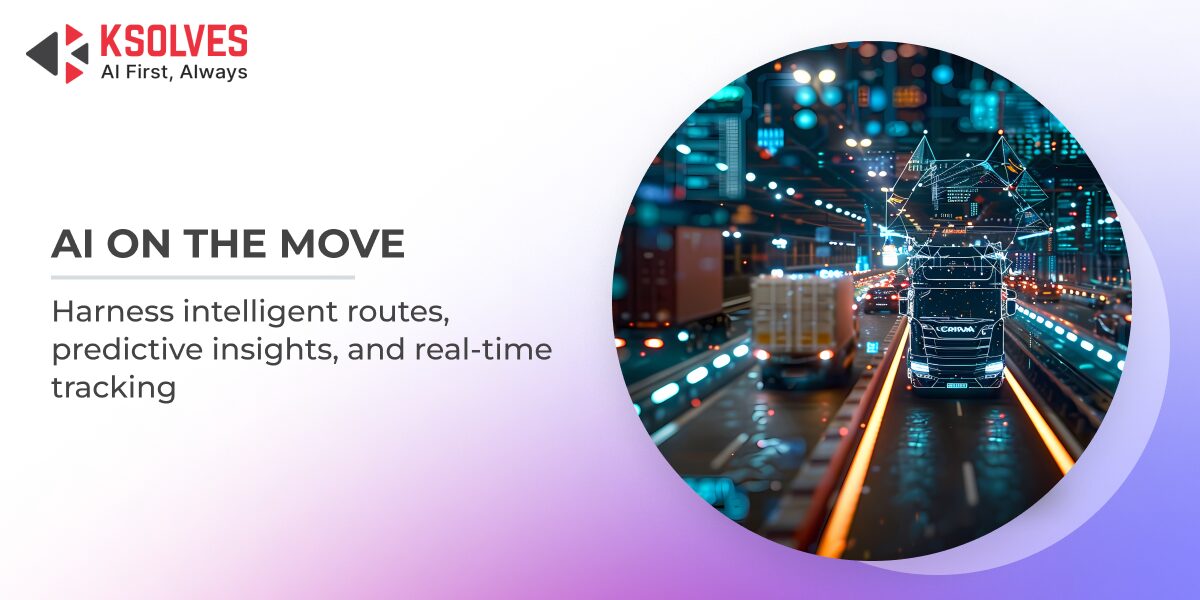
The logistics industry is undergoing a digital transformation, and Artificial Intelligence (AI) is at the forefront of this change. From route optimization to real-time tracking and predictive maintenance, logistics companies are leveraging AI to streamline their operations, reduce costs, and improve customer satisfaction.
In today’s fast-paced world, where customers demand quicker and more accurate deliveries, AI in logistics is no longer a luxury but a necessity.
This blog will hence explore how logistics companies are leveraging AI and Machine Learning (ML) to optimize routing and delivery processes, reduce operational costs, enhance customer experience, and maintain a competitive edge in a rapidly evolving market. You’ll also discover real-world applications, the benefits of AI-powered logistics, and how expert consulting services can help businesses effectively scale their AI capabilities.
The Rise of AI in the Logistics Industry
With the global supply chain facing unprecedented challenges ranging from labor shortages to rising fuel costs, logistics companies are under pressure to deliver faster and more efficiently. That’s where AI and Machine Learning (ML) come into play.
A 2024 industry study reports the following adoption and performance figures across the sector:
- 68% of logistics companies utilize predictive analytics.
- 62% leverage machine learning to optimize their operations.
- These technologies deliver up to 30% improvement in forecast accuracy while significantly reducing inventory costs.
Hence, these figures clearly highlight the transformative impact of AI-driven logistics solutions in today’s competitive environment.
Route Optimization: The Game Changer
What Is Route Optimization?
Route optimization involves calculating the most efficient way to deliver goods by minimizing travel time, distance, and fuel usage. Traditional route planning systems often rely on static data and can’t adapt to real-time changes like traffic, weather, or delivery time windows, and AI changes that.
How AI Enhances Route Planning
AI algorithms analyze real-time data such as:
- Traffic conditions
- Road closures
- Weather patterns
- Delivery priorities
- Vehicle performance
By doing so, AI creates the most optimal route for each delivery vehicle. For example, if traffic congestion develops during transit, AI can reroute the driver instantly to avoid delays.
Benefits of AI in Route Optimization
- Faster deliveries
- Lower fuel consumption
- Improved fleet utilization
- Enhanced customer satisfaction
These benefits lead to significant cost savings and a competitive edge in the logistics market.
Predictive Analytics: Preventing Delays Before They Happen
Predictive analytics uses machine learning models to forecast potential delivery disruptions. For instance, if a particular vehicle has shown signs of wear and tear, AI can predict a possible breakdown and recommend maintenance before it happens.
Similarly, AI systems can forecast delivery delays due to weather or road conditions and adjust delivery schedules in real-time.
This proactive approach reduces downtimes, improves reliability, and enhances overall logistics efficiency.
Also Read: The Role of Predictive Analytics in Machine Learning
Real-Time Tracking and Visibility
Customers today expect end-to-end visibility of their shipments. With AI-powered logistics solutions, companies can provide real-time tracking updates, estimated delivery times, and instant notifications for any delays.
Using computer vision and IoT devices, logistics companies can monitor the exact location, condition, and status of goods throughout the supply chain.
Real-time visibility allows companies to:
- Ensure cargo safety
- Respond faster to disruptions
- Build trust with customers
Also Read: Computer Vision Trends to Watch in 2025
Route and Load Optimization Using Linear Programming
Linear Programming (LP) helps logistics companies optimize routes and load assignments simultaneously. By considering vehicle capacities, delivery time windows, distances, and shipment priorities, LP determines the most efficient allocation of shipments and sequences for delivery. This reduces fuel consumption, lowers operational costs, improves fleet utilization, and ensures timely deliveries. Combining AI with LP enables smarter, faster, and cost-effective logistics operations with enhanced customer satisfaction.
Overcoming Challenges in AI Adoption
While the benefits are clear, integrating AI into logistics isn’t without challenges. Key barriers include:
- Lack of in-house expertise
- High initial implementation cost
- Data silos and integration issues
- Concerns around data security
To overcome these obstacles, many logistics companies partner with AI and ML consulting experts to implement tailored solutions that align with their business goals.
Partner with Experts: AI ML Consulting Services by Ksolves
For businesses eager to harness AI quickly and effectively, expert guidance can be a game-changer.
At Ksolves, our AI ML Consulting Services help logistics firms:
- Create intelligent route-optimization models
- Implement predictive analytics
- Enhance supply-chain visibility
- Build autonomous delivery systems
Our AI/ML-certified team offers scalable, secure solutions designed to integrate seamlessly within your operations.
Conclusion
AI is not just futuristic; it is already revolutionizing logistics by transforming how goods are routed, tracked, and delivered with greater speed, efficiency, and precision. From route optimization and predictive analytics to real-time tracking and autonomous delivery, AI enables logistics companies to operate more efficiently, intelligently, and reliably.
As customer expectations rise and competition intensifies, businesses that fail to integrate AI in logistics risk losing ground. At Ksolves, our AI and ML experts collaborate closely with you to design, develop, and deploy intelligent solutions tailored to your logistics challenges, ensuring measurable results and long-term success.


































AUTHOR
AI
Mayank Shukla, a seasoned Technical Project Manager at Ksolves with 8+ years of experience, specializes in AI/ML and Generative AI technologies. With a robust foundation in software development, he leads innovative projects that redefine technology solutions, blending expertise in AI to create scalable, user-focused products.
Share with