Project Name
Ksolves Eliminates UKG Pro Middleware and Cuts Order Latency by 85%
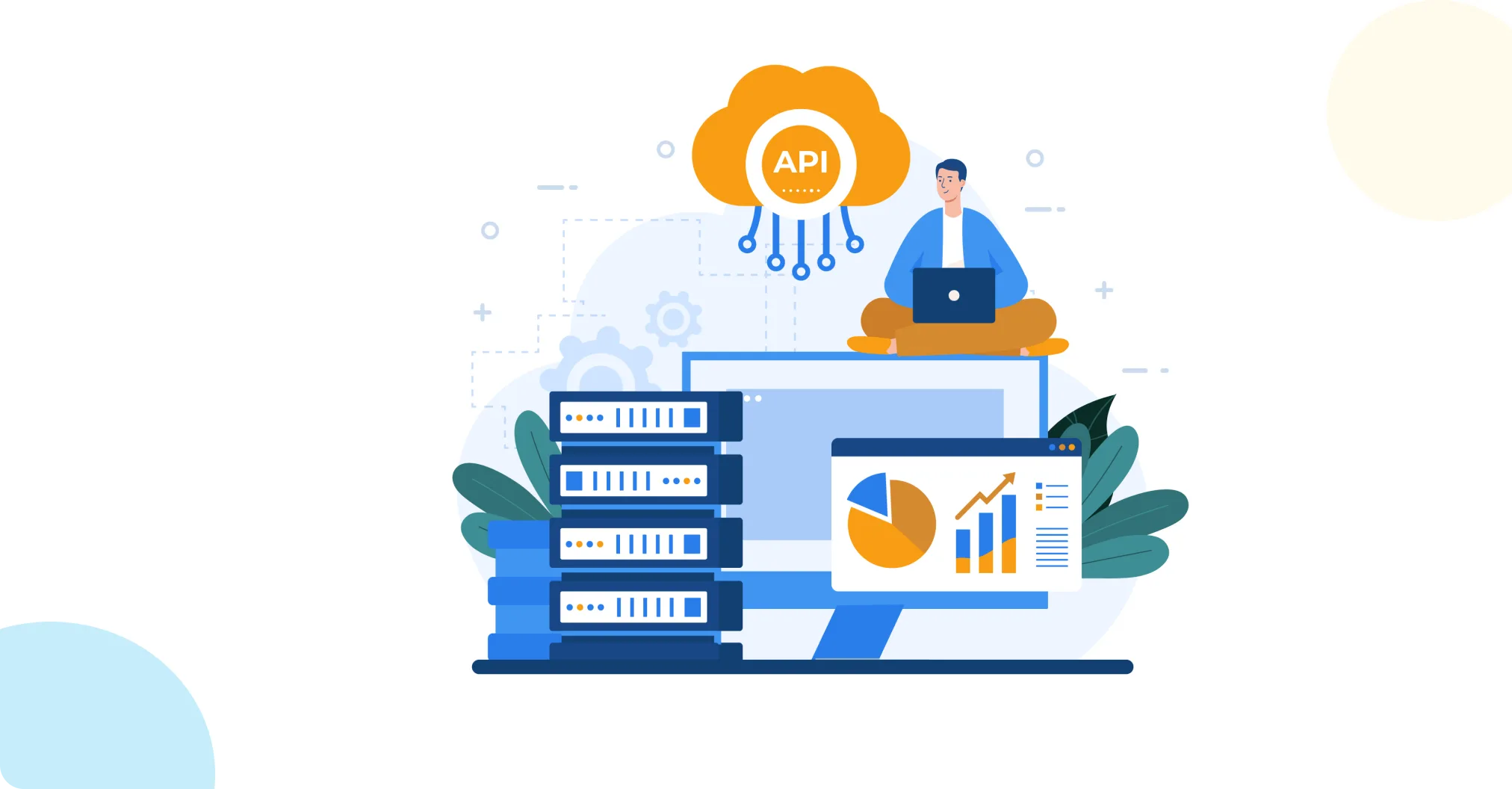

A US-based SaaS platform in the background screening space runs one of its most strategically important connectors through UKG Pro, letting HR teams at UKG Pro client organizations kick off background checks without ever leaving their HCM. That integration depended on UKG’s Transaction Connector Client, a Cloud Connector middleware layer that added 35 to 40 seconds to every order, an infrastructure cost with no functional purpose, and a multi-step onboarding process for every new enterprise client.
Ksolves re-architected the integration around one governing principle: maximum simplicity; remove everything that adds latency, cost, or dependency without adding capability. The direct REST API replacement was built entirely from documentation, with no sandbox access and no test credentials, and it passed end-to-end validation on its very first live customer test.
- 35-40 Second Order Placement Latency: Every background check order through the UKG Pro integration carried a 35-40 second delay caused by the Cloud Connector processing chain, well outside the near-real-time experience the rest of the platform delivered.
- Cloud Connector (TCC) Middleware Dependency: The architecture depended on UKG's TCC as an intermediary the client didn't control, adding infrastructure overhead and a compounding source of latency that no amount of tuning could fix without replacing it.
- Complex Multi-Step Client Onboarding: The TCC-based setup required enterprise clients to complete a multi-step configuration process before the integration could go live, adding days to time-to-live for every new deployment.
- External Team Dependency for Integration Testing: Testing the TCC integration meant coordinating with external teams and UKG test environments, making independent iteration impossible and slowing every change.
- Added Infrastructure Cost With No Functional Justification: The Cloud Connector added ongoing cost to every deployment purely to support its own existence, with no capability it delivered that a direct integration couldn't.
- No Sandbox Environment for Development or Validation: The re-architecture had to be designed and built without any UKG Pro sandbox or test credentials, leaving a single live customer test as the only validation gate.
Ksolves built the re-architecture around one governing principle: maximum simplicity, remove everything that adds latency, cost, or dependency without adding capability. Every component that existed solely to support the middleware layer got identified and stripped out.
- Direct UKG Pro REST API Integration: The TCC Cloud Connector was removed entirely, and the integration rebuilt as a direct REST API call against UKG Pro's native endpoints, reducing order placement to a single authenticated request-response cycle.
- Documentation-Driven Implementation Without Sandbox Access: The full integration was built from UKG Pro's API documentation and sample response structures alone, with request construction, authentication, and error handling all validated through documentation analysis rather than iterative sandbox testing.
- Streamlined Client Onboarding Configuration: The multi-step TCC-dependent onboarding process was replaced with a direct API configuration model, cutting the steps required to activate a new UKG Pro client and shortening time from contract signature to live integration.
- Defensive Error Handling Across All Documented Response States: Comprehensive error handling covers every documented API response scenario, authentication failures, rate limiting, partial success, timeouts, and compensating for the lack of sandbox testing through rigorous defensive engineering.
- Infrastructure Cost Elimination: Removing the TCC layer and its supporting components eliminated the ongoing operational cost that existed purely to support the connector model, with no loss of functional capability.
Technology Stack
| Category | Technology |
|---|---|
| Platform | UKG Pro (formerly UltiPro) HCM |
| Integration | Direct REST API Integration (TCC Eliminated) |
| Security | OAuth 2.0 / Token-Based API Authentication |
| Reliability | Defensive Error Handling and Response Validation |
| Methodology | Documentation-Driven Development (No Sandbox) |
| Architecture | Middleware Elimination Pattern |
- 85% Faster Order Placement: Order placement time dropped from 35-40 seconds to approximately 5-6 seconds by eliminating every middleware hop in the prior architecture.
- TCC Middleware Eliminated Entirely: The integration now runs with zero middleware components, zero external infrastructure dependencies, and zero third-party coordination required in the path.
- Client Onboarding Steps Cut by Over 50%: The direct API configuration model replaced multi-step TCC onboarding, cutting onboarding steps for new UKG Pro clients by more than half and accelerating time-to-live.
- First Live Test Passed With No Sandbox Access: The complete re-architected integration passed end-to-end validation on its first attempt using live customer credentials, with no sandbox access at any stage of design, development, or testing.
- Infrastructure Cost Fully Eliminated: Removing the TCC layer and its supporting components eliminated the per-deployment infrastructure cost that existed solely to support the connector model.

“The performance difference is immediate and obvious; what used to take 35 to 40 seconds now completes in under 10. But the part that impressed us most was that the team built this without a sandbox, without test credentials, and it worked on the very first live run. That level of engineering precision is not something you see every day.”
– VP Engineering, SaaS Platform
This client’s UKG Pro integration ran through TCC Cloud Connector middleware that added 35-40 seconds to every order, demanded a multi-step onboarding process, and depended on external teams for any testing at all. Ksolves replaced it with a direct REST API integration built entirely from documentation, with no sandbox access and no test credentials available at any point.
Order placement time dropped by roughly 85%, the TCC layer is gone, and client onboarding steps dropped by more than half. The integration passed end-to-end validation on its first live customer test, a result that reflects the rigor built into the documentation-driven methodology and the defensive error handling designed to cover every scenario without ever seeing a live response first.
The middleware elimination pattern built here now applies directly to other HCM connectors in the client’s integration ecosystem, and the same documentation-driven approach is ready for the next platform integration that comes without sandbox access.
Is Middleware Adding Latency and Cost to Your HCM Integration Without Adding Any Capability?