



How Logistics Companies Get Real-Time Visibility into Shipments, Warehouses, and Delivery KPIs
Odoo
5 MIN READ
June 9, 2026

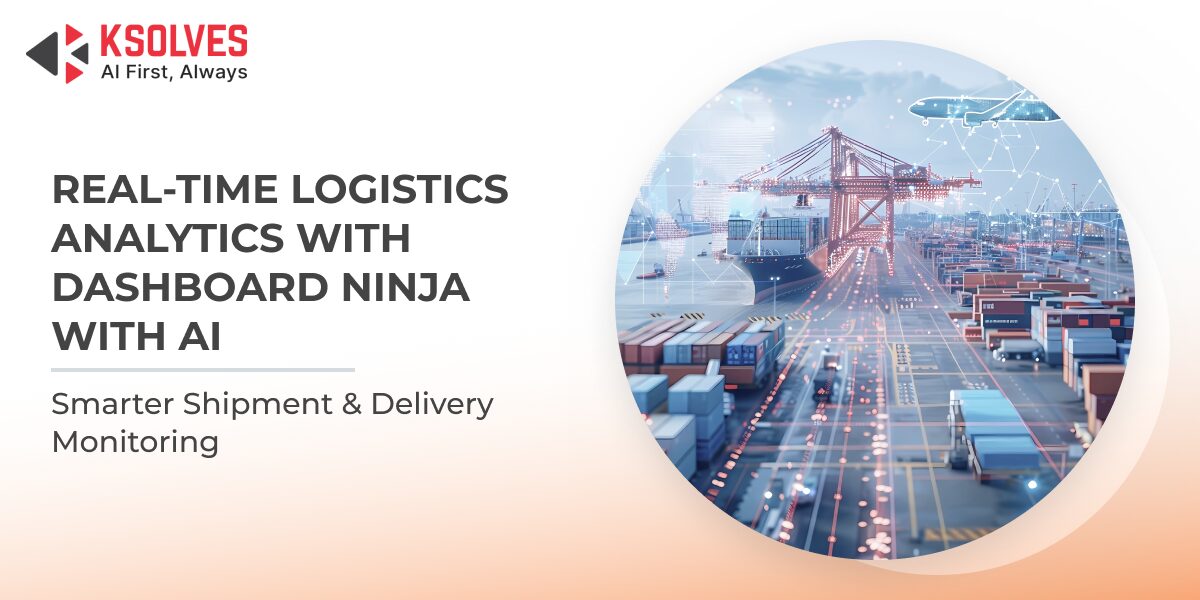
The logistics industry is evolving rapidly. Customers now expect faster deliveries, accurate order tracking, and complete transparency throughout the shipping process. At the same time, logistics companies are managing increasingly complex supply chains involving multiple warehouses, transportation partners, delivery fleets, and inventory locations.
In such an environment, relying on spreadsheets or delayed operational reports is no longer practical. Logistics businesses need real-time visibility into shipments, warehouse operations, inventory movement, and delivery KPIs to make faster and smarter decisions.
Why Real-Time Visibility Matters in Logistics
Modern logistics operations generate massive amounts of operational data every day. However, without centralized visibility, businesses struggle to convert that data into actionable insights.
Common Challenges Faced by Logistics Companies
Many logistics providers still operate using disconnected systems for warehouse management, inventory tracking, transportation management, and delivery operations. This creates several operational issues, including:
- Delayed shipment updates.
- Inaccurate inventory visibility.
- Slow response to operational disruptions.
- Limited coordination between departments.
- Difficulty tracking delivery performance.
- Manual and time-consuming reporting processes.
Business Impact of Poor Visibility
Lack of real-time visibility can directly impact logistics performance and profitability. Some of the most common consequences include:
- Increased delivery delays.
- Higher transportation costs.
- Poor warehouse utilization.
- Inventory shortages or overstocking.
- Customer dissatisfaction.
- SLA compliance issues.
Monitor Shipments, Warehouses, and Delivery KPIs in Real Time with Dashboard Ninja with AI!
What Real-Time Logistics Visibility Actually Means
Real-time visibility refers to the ability to monitor logistics operations continuously using live operational data from shipments, warehouses, inventory systems, and delivery networks.
Instead of waiting for static reports at the end of the day or week, businesses gain instant insights into operational performance.
1. Shipment Visibility
Shipment visibility helps logistics teams track goods throughout the transportation lifecycle.
This includes:
- Real-time shipment tracking.
- Delivery status monitoring.
- Estimated arrival time updates.
- Delay alerts.
- Carrier performance monitoring.
With live shipment visibility, operations teams can quickly respond to disruptions such as traffic delays, route deviations, or unexpected delivery issues.
2. Warehouse Visibility
Warehouse visibility focuses on monitoring inventory movement and warehouse performance in real time.
Key warehouse insights include:
- Current stock availability.
- Inventory movement tracking.
- Picking and packing status.
- Warehouse throughput.
- Space utilization.
- Order fulfillment progress.
Real-time warehouse data improves inventory accuracy and reduces operational delays.
3. Delivery KPI Monitoring
Delivery performance is one of the most important indicators in logistics operations.
Real-time delivery KPIs often include:
- On-time delivery rate.
- Delivery success percentage.
- Average delivery time.
- Delivery cost per order.
- Returns and failed deliveries.
Tracking these KPIs continuously helps logistics businesses optimize delivery operations and improve customer experience.
Why Traditional Logistics Reporting Falls Short
Many logistics companies still depend on outdated reporting methods that cannot support modern operational demands.
1. Siloed Operational Systems
When warehouse, transportation, and inventory systems operate independently, businesses struggle to create a unified operational view.
This often results in:
- Inconsistent data.
- Duplicate reporting efforts.
- Delayed decision-making.
- Limited operational coordination.
2. Manual Reporting Delays
Traditional reporting methods typically rely on manual data collection and spreadsheet analysis. By the time reports are generated, operational conditions may have already changed.
This limits the ability to:
- Respond to disruptions instantly.
- Identify emerging inefficiencies.
- Improve delivery performance proactively.
3. Limited Predictive Capabilities
Modern logistics operations require predictive insights that support proactive planning.
Turn Logistics Data into Actionable Insights with AI-Powered Odoo Dashboards!
How AI-Powered Odoo Dashboards Improve Logistics Visibility
AI-powered Odoo dashboards are changing how logistics companies manage operations and monitor performance. Modern logistics networks generate large amounts of data across warehouses, transportation systems, inventory operations, and delivery channels. Without centralized analytics, this data often remains fragmented and difficult to use effectively.
AI-powered Odoo dashboards help businesses convert operational data into actionable insights. Instead of relying on disconnected reports, teams can monitor logistics operations from one centralized dashboard.
This improves visibility, coordination, and operational efficiency across the supply chain.
1. Centralized Operational Monitoring
AI-powered dashboards combine data from multiple logistics systems into one unified platform.
This includes:
- Inventory management systems.
- Warehouse operations.
- Transportation management systems.
- Fleet management platforms.
- Delivery tracking systems.
- ERP platforms like Odoo.
This creates a centralized source of truth for logistics operations.
With real-time visibility, businesses can:
- Track shipments live.
- Monitor warehouse productivity.
- Analyze inventory availability.
- Identify delivery delays quickly.
- Monitor transportation performance.
For example, if warehouse processing slows down, managers can instantly identify the issue and take corrective action before deliveries are affected.
Centralized dashboards also improve collaboration by giving all departments access to the same live operational data.
2. Real-Time Alerts and Exception Management
AI-powered dashboards can automatically detect operational issues and trigger instant alerts.
These alerts may include:
- Delayed shipments.
- Low inventory levels.
- Route deviations.
- Vehicle downtime.
- Missed delivery SLAs.
- Warehouse bottlenecks.
Instead of manually reviewing reports, operations teams receive real-time notifications that help them respond faster.
This improves supply chain responsiveness and reduces operational disruptions.
3. AI-Driven Operational Insights
Traditional reports only provide historical data. AI-powered dashboards go further by identifying trends, patterns, and operational risks automatically.
AI-powered logistics dashboards can help businesses:
- Detect delivery delays early.
- Forecast inventory shortages.
- Identify inefficient routes.
- Monitor unusual warehouse activity.
- Predict operational bottlenecks.
- Analyze seasonal demand patterns.
For example, AI can analyze traffic conditions, historical delivery timelines, and transportation data to predict shipment delays before they happen.
Similarly, AI-based inventory analytics can forecast stock shortages and recommend replenishment actions proactively.
4. Automated KPI Analysis
Tracking logistics KPIs manually can be time-consuming, especially for large logistics networks.
AI-powered dashboards automate KPI monitoring and analysis in real time.
Important KPIs include:
- On-time delivery percentage.
- Shipment transit time.
- Warehouse throughput.
- Order fulfillment rate.
- Inventory turnover ratio.
- Fleet utilization rate.
- Delivery success rate.
AI can also explain KPI changes automatically.
For example:
- Identifying reasons for delivery delays.
- Detecting warehouse inefficiencies.
- Highlighting rising transportation costs.
This reduces manual reporting efforts and helps teams focus on operational improvements.
5. Interactive Logistics Dashboards
Modern logistics dashboards simplify operational monitoring through interactive visualizations.
These dashboards may include:
- KPI widgets.
- Real-time charts.
- Shipment tracking maps.
- Inventory heatmaps.
- Fleet performance dashboards.
- Trend analysis reports.
Interactive dashboards allow users to:
- Drill down into operational issues.
- Filter data by warehouse or region.
- Compare performance across locations.
- Analyze trends over time.
For example, managers can compare delivery performance across regions and quickly identify inefficient routes.
These visual tools make logistics data easier to understand and improve operational clarity.
6. Improved Decision-Making Across Logistics Operations
AI-powered dashboards help logistics companies make faster and smarter decisions using live operational data.
This supports:
- Faster shipment planning.
- Better inventory optimization.
- Improved warehouse efficiency.
- Smarter route planning.
- Reduced operational costs.
- Higher customer satisfaction.
With access to real-time insights, logistics teams can respond quickly to disruptions and changing business demands.
7. Scalability for Growing Logistics Networks
As logistics operations expand, managing multiple warehouses and delivery networks becomes more complex.
AI-powered dashboards help businesses scale efficiently by:
- Centralizing multi-location visibility.
- Standardizing KPI monitoring.
- Automating operational reporting.
- Supporting enterprise-wide analytics.
Solutions like Dashboard Ninja with AI, #1 BI tool for Odoo reporting, help logistics companies using Odoo ERP build customized dashboards tailored to their operational needs.
Enhance Odoo Reporting with Real-Time Dashboards using Dashboard Ninja with AI!
How Dashboard Ninja with AI Enhances Logistics Analytics
Dashboard Ninja with AI enhances Odoo’s reporting capabilities with advanced AI-powered dashboards, real-time analytics, and interactive business intelligence tools. It helps logistics companies monitor operations centrally, analyze KPIs faster, and improve supply chain visibility across warehouses, inventory, transportation, and delivery networks.
1. Real-Time Logistics Monitoring
Dashboard Ninja with AI enables businesses to create live dashboards for monitoring logistics operations in real time.
Teams can track:
- Shipment status.
- Inventory movement.
- Warehouse performance.
- Fleet operations.
- Delivery metrics.
- Order fulfillment progress.
- Transportation costs.
- Supply chain KPIs.
With centralized visibility, logistics teams can quickly identify operational issues and respond faster to disruptions.
For example, managers can instantly detect delayed shipments, inventory shortages, or warehouse bottlenecks from a single dashboard interface.
2. AI-Based KPI Explanations
Dashboard Ninja with AI uses AI-powered analytics to automatically interpret KPI trends and generate meaningful operational insights.
The system can help businesses:
- Identify sudden delivery delays.
- Detect declining warehouse productivity.
- Highlight abnormal transportation costs.
- Monitor low-performing delivery regions.
- Identify inefficient routes.
- Analyze inventory fluctuations.
Instead of manually reviewing multiple reports, teams receive faster insights into operational performance and emerging risks.
This reduces manual analysis efforts and improves decision-making efficiency.
3. Predictive and Trend-Based Analytics
Dashboard Ninja with AI helps logistics companies move beyond static reporting with predictive and trend-based analytics.
Businesses can:
- Monitor operational trends over time.
- Forecast inventory shortages.
- Analyze seasonal demand patterns.
- Predict delivery performance risks.
- Track warehouse efficiency trends.
These predictive insights help logistics companies plan operations proactively and improve supply chain agility.
4. Interactive and Visual Dashboards
Dashboard Ninja with AI provides highly interactive dashboards that simplify logistics analytics through visual reporting.
Dashboards can include:
- KPI widgets.
- Real-time charts and graphs.
- Shipment tracking views.
- Inventory heatmaps.
- Warehouse analytics reports.
- Trend analysis dashboards.
- Performance comparison reports.
Users can filter, drill down, and customize reports based on:
- Warehouse locations.
- Delivery zones.
- Transportation teams.
- Time periods.
- Product categories.
This makes operational data easier to understand and analyze.
5. Custom Dashboard Creation
Dashboard Ninja with AI allows businesses to build customized dashboards for different logistics teams and departments.
Customized dashboards can be created for:
- Warehouse managers.
- Transportation teams.
- Delivery operations.
- Inventory planners.
- Supply chain executives.
- Operations leadership teams.
Each department can access role-specific KPIs, reports, and operational insights relevant to their workflows.
This improves productivity and decision-making across logistics operations.
6. Multi-Warehouse Visibility
Logistics companies operating across multiple warehouses and distribution centers can monitor all locations from one centralized dashboard.
This improves:
- Inventory coordination.
- Stock balancing.
- Warehouse visibility.
- Operational transparency.
- Cross-location decision-making.
Managers can compare warehouse performance, monitor inventory availability, and track operational efficiency across locations in real time.
7. Automated Reporting and Data Accessibility
Dashboard Ninja with AI simplifies logistics reporting through automated dashboard updates and centralized data access.
Benefits include:
- Reduced manual reporting efforts.
- Faster access to operational KPIs.
- Real-time dashboard refresh.
- Improved reporting accuracy.
- Easier executive reporting.
Teams can access dashboards from desktops, tablets, or mobile devices, enabling better operational monitoring from anywhere.
Also Read: Create AI-Powered Manufacturing Dashboards in Odoo
Final Words
Real-time visibility is now essential for logistics companies managing complex supply chains, warehouses, and delivery operations. Businesses relying on disconnected systems and delayed reporting often face operational inefficiencies, inventory issues, and delivery delays.
































AUTHOR
Odoo
Share with