Project Name
Automated KYC Checks With Zero Duplicates Using Informatica CAI
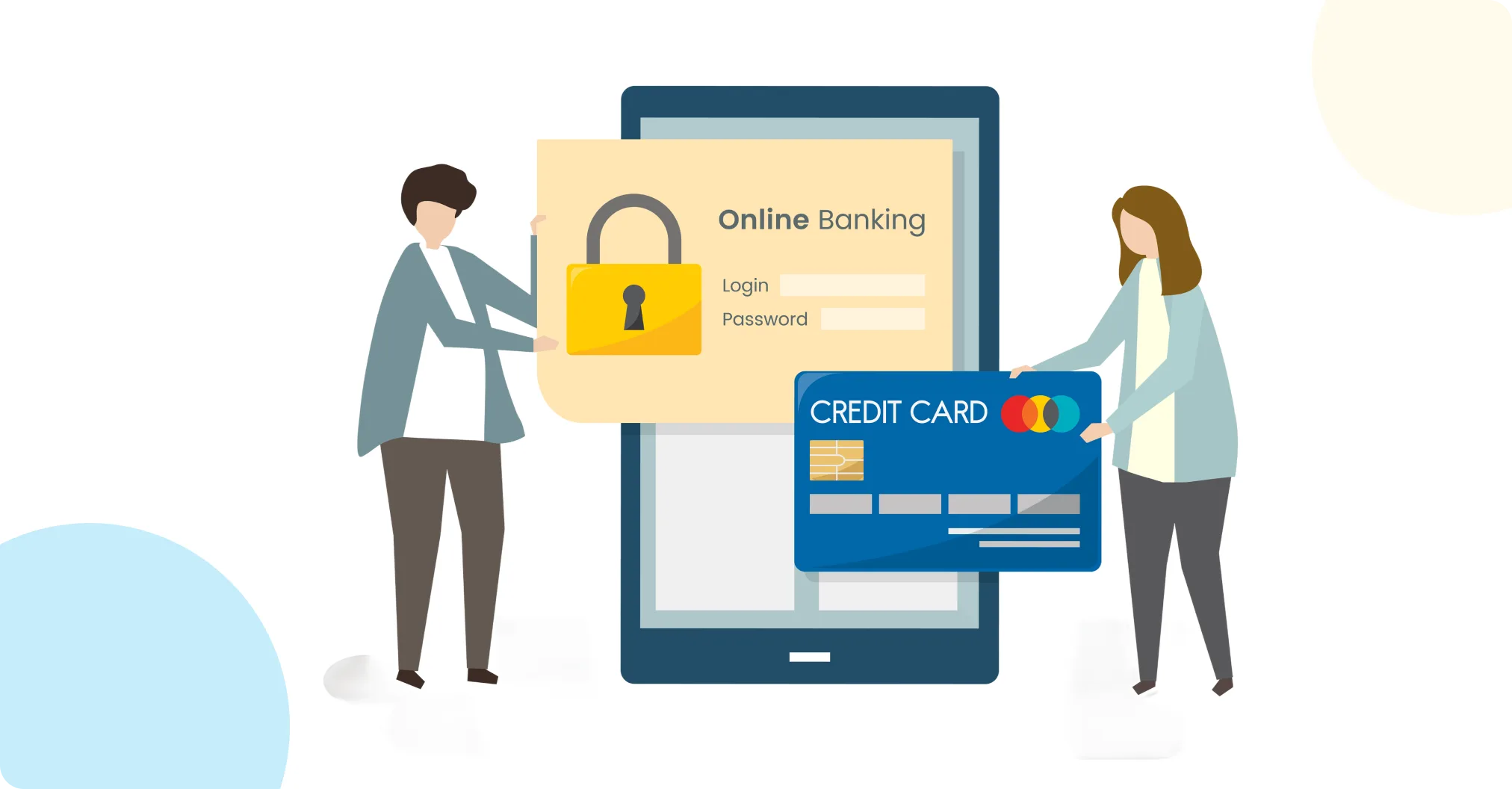

Our client is a lending organisation that must complete KYC (Know Your Customer) verification before approving any loan. It relies on an external KYC provider that charges for every check. The provider doesn’t answer right away: it returns a request ID and delivers the result minutes or days later.
KYC checks were started by hand and chased by email, so nobody knew which applicants had been checked, were waiting, or were stuck. The client wanted every application submitted automatically, tracked until a final result, checked exactly once, and escalated if the provider went silent.
The manual KYC process delayed approvals, increased costs, and left applicants waiting without anyone noticing.
- Delayed Submissions: Staff sent each applicant to the provider manually, so loan approvals waited on someone finding time.
- Untracked Results: With no record of open checks, loan officers chased results by email.
- Duplicate Paid Checks: Retries, re-runs, or two staff working the same list could check one applicant twice.
- Unnoticed Silence: When the provider never answered, applications stalled, and customers moved to other lenders.
- Fragile Long-Running Processes: A single process waiting days for a result could be lost on any agent restart or redeploy.
- Lost Checks on Failed Calls: If the provider returned an error, nothing recorded that the applicant still needed checking.
Ksolves, an AI-first Big Data services company, built an automated KYC integration on Informatica CAI using 2 independent processes, 1 shared MySQL state table, and 2 outbound queues. The processes never call each other, so either can restart without losing a check. Every interface was proven by breaking it on purpose before sign-off.
- Automated Submit Process: Each new loan application is sent to the KYC provider on the next run, with no manual step.
- Scheduled Check-Back Process: A separate process polls open requests on a schedule until a final result arrives.
- Forward-Only State Table: One row per application tracks each check from submission to result, storing references only, never personal documents.
- Guard-Before-Call Idempotency: The state table is checked before every call, with a unique key as a second safety net, so no applicant is checked twice.
- Fault Path With Retry Limits: Failed calls keep the check waiting, log the error, and retry, escalating after an agreed number of attempts.
- Silence Escalation: Checks with no result past the escalation window are flagged, and an alert is published for follow-up.
- Result Publishing: Verified results go to a KYC result queue, so the loan system moves the application forward automatically.
Technology Stack
| Category | Technology |
|---|---|
| Platform | Informatica Cloud Application Integration (CAI) |
| Database | MySQL |
| Infrastructure | Informatica Secure Agent (self-managed) |
| Integration | KYC Provider API |
| Messaging | KYC Result and Alert Queues |
| Architecture | Forward-only state machine |
The client replaced manual KYC handling with an automated, auditable process that tracks every check from start to finish.
- 0 Duplicate KYC Requests: Repeat submissions never call the provider twice, confirmed by the provider's own request counter.
- 100% Automated Submission: Every new application is sent for KYC without manual effort.
- Zero-Touch Follow-Up: Pending checks reach a final result through scheduled check-backs, with no email chasing.
- No Silent Stalls: Unanswered checks are escalated automatically while the customer is still waiting.
- Safe Re-Runs: Re-running a process never resends applications already submitted.

Ksolves turned a manual, email-driven KYC process into an automated integration on Informatica CAI. Every loan application is now submitted, tracked, and resolved without manual effort, and no applicant is ever checked or billed twice. Failed calls and silent providers are handled automatically, so no application stalls unnoticed. The result is faster loan approvals, lower verification costs, and a clear audit trail for every check. Connecting a new KYC provider only requires mapping its API to the same submit and check-back contract.
Are Your KYC Checks Still Started by Hand and Chased by Email?