
Project Name
Ksolves Decouples a Shared API Into BFFs to Fix Mobile Throughput and Release Speed
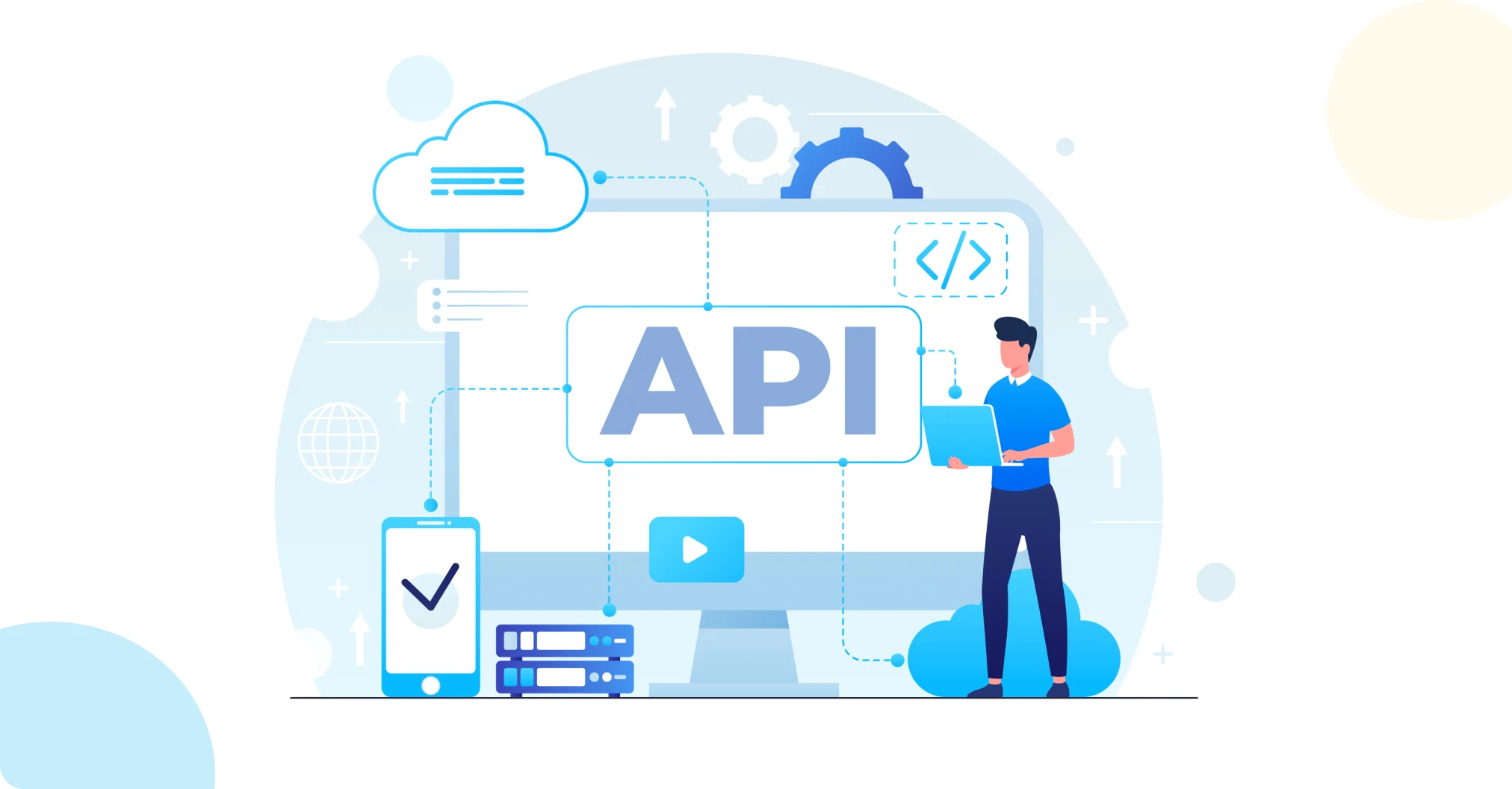

A B2B SaaS platform serving enterprise customers across North America and Europe ran its web portal, native mobile apps, and external partner integrations through one shared API. Any schema change the web team made could break a partner contract or send mobile clients payloads they never needed.
Ksolves decoupled that single API into an API Gateway plus dedicated Backend-for-Frontend services, one per consumer type, so each team could evolve its own contract without touching the others. Mobile data consumption dropped by roughly 45%, and partner-breaking regressions dropped to zero.
- Conflicting Consumer Demands on a Unified Interface: The Single API Had to Balance Web-Tier Detail, Mobile Bandwidth Limits, and Strict Partner Contract Stability All at Once, and It Was Buckling Under the Weight of All Three.
- Suboptimal Mobile Data Efficiency: Mobile Clients Received the Same Heavy Payloads as the Web App, Burning Bandwidth on Fields the Mobile Experience Never Used.
- Regressions in External Partner Contracts: Routine Web Team Changes Kept Breaking Partner Integrations That Depended on a Fixed, Predictable Contract.
- Centralized API Development Bottleneck: All Three Consumer Teams, Web, Mobile, and Partners, Waited on One Core Team to Ship Any Schema Change.
- Centralized Logic Bottleneck: Client-Specific Data Transformation Rules Were Hard-Coded Into the Shared Interface, Leaving No Team Room to Manage Its Own Requirements.
Ksolves' microservices development team decoupled the shared API by putting an API Gateway in front to handle cross-cutting concerns, then splitting client-specific data transformation into dedicated BFF services owned directly by each consumer team, with partner contracts isolated behind a versioned integration layer.
- Centralized Gateway Governance: A Single Entry Point Now Handles Authentication, Rate Limiting, and Traffic Routing, Pulling That Logic Out of Every Individual Consumer Path.
- Mobile-Optimized BFF Layer: The Mobile Engineering Team Owns a Dedicated BFF That Trims Payloads Down to What Bandwidth-Constrained Devices Actually Need.
- Decoupled Web Engineering Stream: A Parallel Data-Shaping Service Lets the Web Team Iterate on Its Own Schema Without Touching Mobile or Partner Stability.
- Immutable Partner API Contracts: External Integrations Now Run on Versioned Contracts With Governed Deprecation Policies, Shielding Partners From Internal Release Changes.
Technology Stack
| Category | Technology |
|---|---|
| Integration | API Gateway |
| Architecture | Backend-for-Frontend (BFF) |
| Architecture | Versioned Partner API |
| Platform | Shared Domain Services |
- 45% Lower Mobile Data Use: The Dedicated Mobile BFF Trims Payloads Down to What the App Actually Needs, Cutting Mobile Data Consumption by Roughly 45%.
- Zero Partner-Breaking Incidents: Versioned, Isolated Partner Contracts Have Brought Partner-Facing Regressions Down to Zero Since the Migration.
- 55% Faster Feature Releases: Web and Mobile Teams Now Ship Client-Specific Changes on Their Own Schedules, Cutting Average Feature Lead Time by Roughly 55%.
- Independent Team Ownership: Each Consumer Team Now Governs Its Own Transformation Logic Instead of Waiting on One Shared Core Team.
- One Governed Entry Point: Authentication, Rate Limiting, and Traffic Routing Now Live in a Single Gateway Instead of Being Duplicated Across Consumer Paths.

The client came to Ksolves’ microservices development team with one shared API trying to serve three consumers who all needed different things from it, and it was breaking under that pressure. Ksolves split the interface into an API Gateway plus dedicated BFFs for mobile and web, with partner contracts moved behind a versioned integration layer.
Before, a single schema change from the web team could break a partner integration or bloat a mobile payload. After the split, mobile data use is down roughly 45%, partner-breaking incidents have dropped to zero, and each team ships changes on its own schedule instead of waiting on a shared core team.
The same BFF pattern is ready to extend to any new partner type or consumer channel the platform adds next.
Is a Centralized API Bottleneck Stalling Progress Across Your Web, Mobile, and Partner Workstreams?