Project Name
Accelerated Frontend Delivery with a Hybrid Microfrontend Architecture
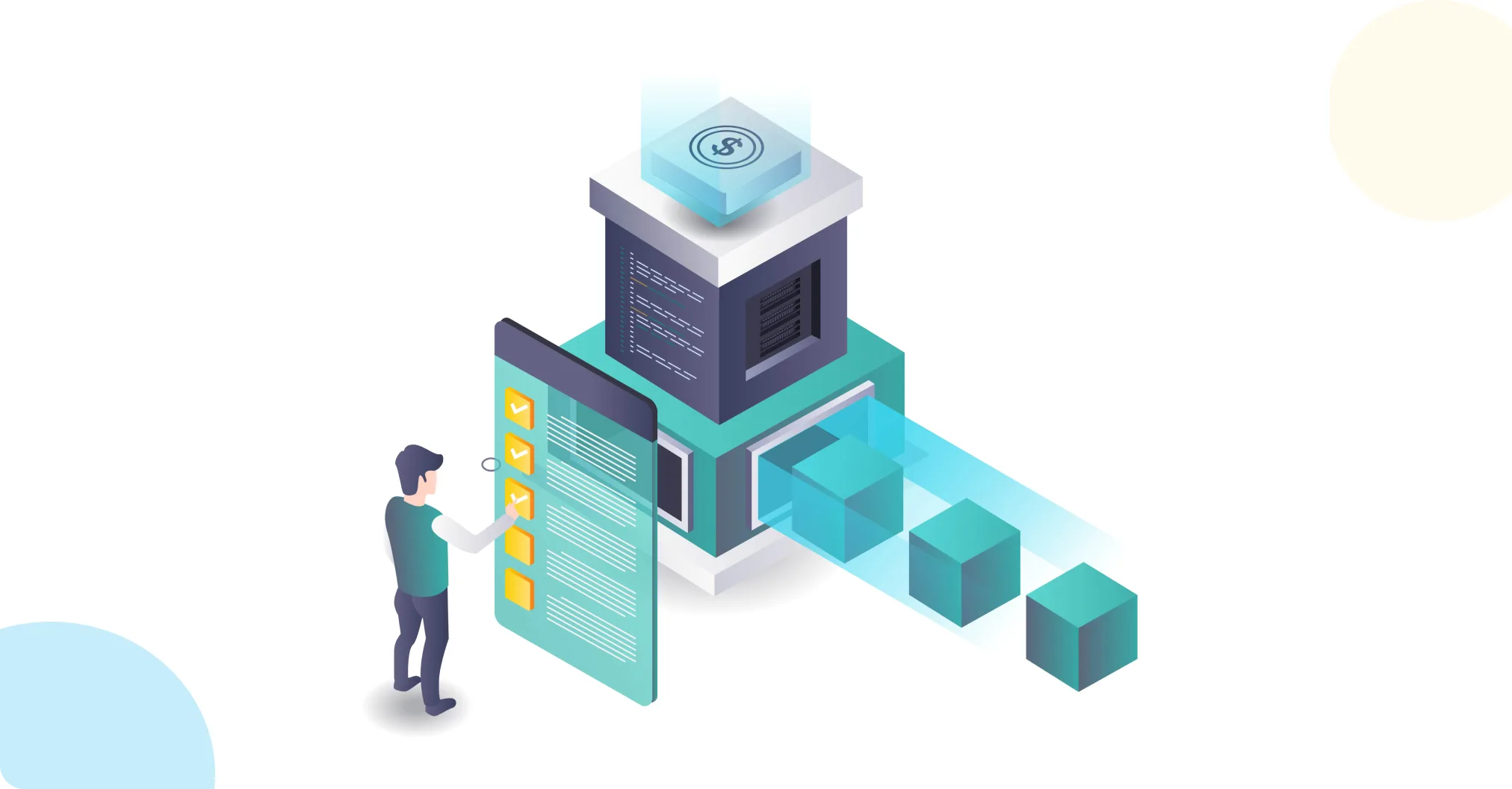

A large-scale EdTech platform with functional modules supporting content management, media administration, and user management had several modules grow into substantial applications in their own right. These high-change areas lived within a single monolithic frontend – changes to one area required rebuilding and redeploying the entire application, creating dependencies between teams and slowing feature delivery. Applying its AI-First approach, Ksolves designed a hybrid microfrontend architecture combining route-based navigation for larger modules with iFrame integration for lightweight workflows – establishing independent delivery while preserving a unified application experience.
- Independent Build and Deployment Pipelines Required: Any change to one module triggered a full application rebuild and redeployment - unnecessary dependencies between engineering teams slowing feature delivery across the platform.
- Unified Authentication and Navigation Must Be Preserved: Decomposing the frontend into independently deployed modules risked fragmenting authentication flow, navigation state, and user experience.
- No Single Integration Model Fits All Modules: Larger functional areas needed full route-based independence. Smaller workflow modules needed to remain in the user's current context. One model would over-engineer some and under-serve others.
- Avoid Runtime Coupling While Modernising: Introducing microfrontend architecture risked creating new runtime coupling - shared state dependencies and version mismatches that would replicate the monolith problem in a distributed form.
Ksolves adopted an incremental modernisation strategy - not a full frontend rewrite. Functional areas whose size, ownership boundaries, and rate of change justified extraction were identified and extracted. The remainder continued evolving without disruption. Integration strategy was tailored to each module's characteristics.
- Incremental Extraction Based on Engineering Characteristics: Modules with dedicated ownership, frequent feature delivery, and minimal runtime dependencies were prioritised for extraction. Areas that did not benefit from becoming standalone microfrontends were left undisturbed.
- Route-Based Integration for Larger Functional Areas: Content management, user administration, and media management integrated through URL-based route navigation - clear ownership boundaries, fully independent build and deployment pipelines, no coordinated releases required.
- iFrame Integration for Lightweight Workflow Modules: Smaller workflow modules embedded using iFrames - shared authentication, coordinated navigation, responsive sizing, and consistent visual styling preserving a seamless in-application experience.
- Shared SSO Across All Modules: Unified authentication state shared across all microfrontend modules and the host application - single login, no re-authentication on module navigation regardless of integration model.
- Shared Design System for Visual Consistency: Consistent branding, component patterns, and visual styling maintained across all independently deployed modules - application feels unified despite the distributed architecture.
Technology Stack
| Category | Technology |
|---|---|
| Architecture | Microfrontends |
| Routing | URL-based Integration |
| Integration | iFrames |
| Authentication | Shared SSO |
| UI | Shared Design System |
- Independent Release Cycles for High-Change Modules: Extracted modules deploy independently with no dependency on other frontend areas. Teams ship features at their own pace without coordinating releases across the entire application.
- Autonomous Engineering Team Ownership: Content management, user administration, and media management teams have full ownership of their module's build, test, and release pipeline - cross-team coordination overhead reduced on every feature delivery.
- Zero Full Application Redeployment for Isolated Changes: Changes to an extracted module no longer trigger a full application rebuild. Isolated changes stay isolated - deployment blast radius reduced to the module boundary.
- Scalable Foundation for Continued Incremental Modernisation: The hybrid architecture provides a pattern for gradually extracting additional modules without disrupting existing functionality - future modernisation is incremental, not a big-bang rewrite.
- Faster Feature Delivery Without a Platform Rewrite: Delivery speed improved through targeted extraction rather than a large-scale rewrite - the majority of the application continued evolving uninterrupted throughout the migration.

The hybrid approach was exactly right for us. We did not need to decompose everything – we needed the high-change areas to move faster. Now they do, and the rest of the platform was never disrupted. That is the outcome we needed.”
– Head of Engineering or VP Product.
A large-scale EdTech platform whose monolithic frontend blocked independent feature delivery – requiring full redeployment for any isolated change and creating coordination dependencies between teams – was transformed through Ksolves web and mobile development services. A hybrid microfrontend architecture combining route-based integration for larger modules with iFrame embedding for lightweight workflows established independent release cycles, autonomous team ownership, and a scalable modernisation pattern. Zero full application redeployment for isolated changes. Unified authentication and UX preserved. Faster feature delivery without a platform rewrite.
Is your frontend architecture slowing down your engineering teams instead of enabling them?