How Ksolves Modernized an Insurance Claims Processing Platform with Java Microservices
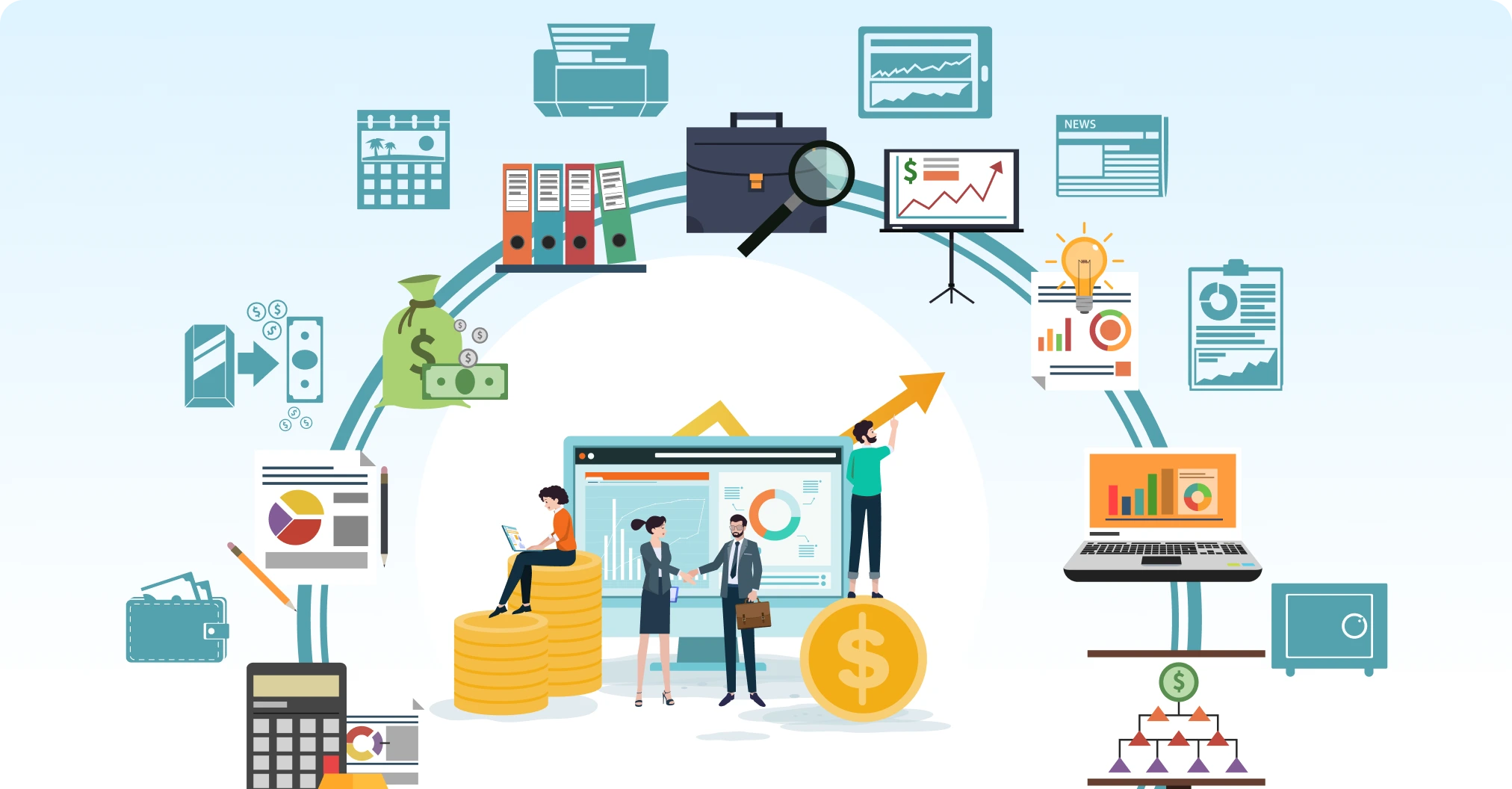
Our client, a leading North American insurance provider, manages a vast portfolio of health, auto, and property insurance products. Their legacy monolithic platform was built on outdated Java EE and SOAP-based web services. With over 5 million policyholders and thousands of daily claims, it was struggling to meet the growing demands of digital transformation.
The client’s vision was to create a cloud-native, scalable, and modular claims management ecosystem that enables faster and more efficient processing. They also aimed to provide real-time status tracking and seamless integration with third-party systems such as payment gateways, document verification APIs, and fraud detection tools.
Challenges
Despite being functionally rich, the legacy system presented several bottlenecks:
01
Monolithic Architecture: The existing codebase was tightly coupled, making feature enhancements and maintenance highly complex. A minor change required the redeployment of the entire application.02
Performance Degradation: Increasing claim volumes led to latency issues in claim validation and approval workflows, causing delays in settlements.03
Scalability Limitations: The on-premise infrastructure lacked elasticity. Seasonal spikes (e.g., during natural disasters) caused severe system slowdowns.04
Integration Complexities: SOAP-based interfaces made it difficult to integrate with modern RESTful APIs, payment services, and AI-based fraud detection systems.05
Data Inconsistency & Security: Inadequate data synchronization across systems caused duplication and compliance challenges with HIPAA and GDPR.06
Manual Claim Tracking: Agents and customers had no real-time visibility into claim statuses, leading to a poor customer experience.Our Solution
As a leading Java development company, our certified experts architected a next-generation microservices-based claims processing platform leveraging cutting-edge technologies for modularity, scalability, and resilience.
-
01
Architecture Redesign: We transitioned the legacy monolith into a Java-based microservices ecosystem using:
- Spring Boot & Spring Cloud for lightweight, independent microservices.
- API Gateway (Spring Cloud Gateway) for unified routing, authentication, and throttling.
- Service Registry (Eureka) for dynamic service discovery.
- Docker & Kubernetes (AKS) for containerization and orchestration.
- Kafka for asynchronous inter-service communication and event-driven claims processing. -
02
Data Modernization:
- Migrated from a monolithic Oracle database to distributed PostgreSQL clusters using Spring Data JPA.
- Introduced Redis caching to improve response time for frequently accessed claim data.
- Implemented Elasticsearch for fast claim search and analytics. -
03
Integration Enablement:
- Replaced legacy SOAP APIs with RESTful and gRPC-based interfaces.
- Integrated with third-party payment processors via secure OAuth2.0 APIs.
- Connected fraud detection models hosted on AWS Lambda using Kafka streams. -
04
Security and Compliance:
- Adopted OAuth 2.0 and JWT for secure user authentication and authorization.
- Enabled Spring Security and role-based access control (RBAC) across services.
- Ensured HIPAA-compliant encryption for data in transit (TLS 1.3) and at rest (AES-256). -
05
DevOps and Automation:
- CI/CD pipeline with Jenkins, SonarQube, and Nexus for automated builds, code quality, and artifact management.
- Deployed via Helm charts on Kubernetes with rolling updates and canary releases.
- Continuous monitoring with Prometheus and Grafana dashboards for real-time system health. -
06
Frontend Modernization:
- Developed a responsive web portal using Angular + Java Spring Boot backend APIs, offering real-time claim tracking and document uploads.
- Implemented WebSockets for live claim status updates.
- 3x Faster Claim Processing: Average claim settlement time dropped from 7–10 days to just 2–3 days, accelerating operations.
- Zero Downtime: System availability improved dramatically, minimizing interruptions.
- <3 Days API Integration: New API onboarding accelerated from 3 weeks to less than 3 days, enabling seamless third-party connectivity.
- Bi-Weekly Releases: Deployment cycles shortened from quarterly to bi-weekly, allowing faster delivery of features and updates.
- 92% Customer Satisfaction: Satisfaction scores rose from 68% to 92%, thanks to real-time claim tracking and quicker resolutions.
- 40% Cost Reduction: Cloud-native scaling and containerized microservices optimized infrastructure costs and efficiency.
Conclusion
By modernizing the insurance claims platform with Java microservices, cloud-native architecture, and advanced automation, we helped the insurance provider transform a legacy system into a scalable, high-performance, and resilient ecosystem. The solution not only accelerated claim processing and reduced operational costs but also enhanced customer satisfaction and ensured regulatory compliance.