Project Name
Migrated a Complex Node.js Application from v18 to v22 Using AI

Our client is a mid-to-large enterprise operating a production application built on Node.js v18.x, a runtime approaching the end of active maintenance and lacking key improvements available in Node.js v22.x. Engineering Leads, CTOs, and Architects had identified the v22 migration as necessary platform modernisation.
Still, the application’s legacy dependencies, mixed CommonJS and partial ESM modules, deprecated APIs, and complex build workflows made it significantly more complex than a simple version upgrade. The key concern was migrating safely without introducing regressions that could surface only after production deployment.
The organisation needed a structured, automated migration approach that could systematically identify compatibility risks, apply required changes, and validate the application before moving from Node.js v18 to v22.
- Legacy Dependencies Requiring Individual v22 Compatibility Assessment: The dependency tree included packages with changed APIs, dropped support, or required replacements between v18 and v22. Without systematic assessment, incompatible or unstable dependencies could surface only in production.
- Mixed CommonJS and Partial ESM Creating Module Conflicts: The codebase combined CommonJS with partial ESM adoption, creating potential import resolution issues and dual-package conflicts under v22. Resolving these inconsistencies required a systematic module mapping approach.
- Deprecated APIs Scattered Across the Codebase: APIs deprecated in earlier Node.js versions could behave differently or be removed in v22. Without a complete inventory, manual review risked missing usages on production code paths.
- Build and Runtime Workflows Dependent on v18 Behaviours: Build scripts, CI/CD configurations, Docker images, and runtime environments were designed around v18.x. Each component required review and updates to ensure the complete build-to-deploy workflow worked correctly under v22.
- Regression Risk Without Comprehensive Test Coverage: Dependency updates, API changes, module modifications, and workflow changes created a broad regression surface. Existing tests alone could not guarantee coverage of the highest-risk migration areas.
- Manual Migration Inconsistency Across Multiple Codebase Layers: Engineer-by-engineer migration could lead to inconsistent approaches to deprecated APIs, module resolution, and package replacements, resulting in uneven migration quality and increased regression risk.
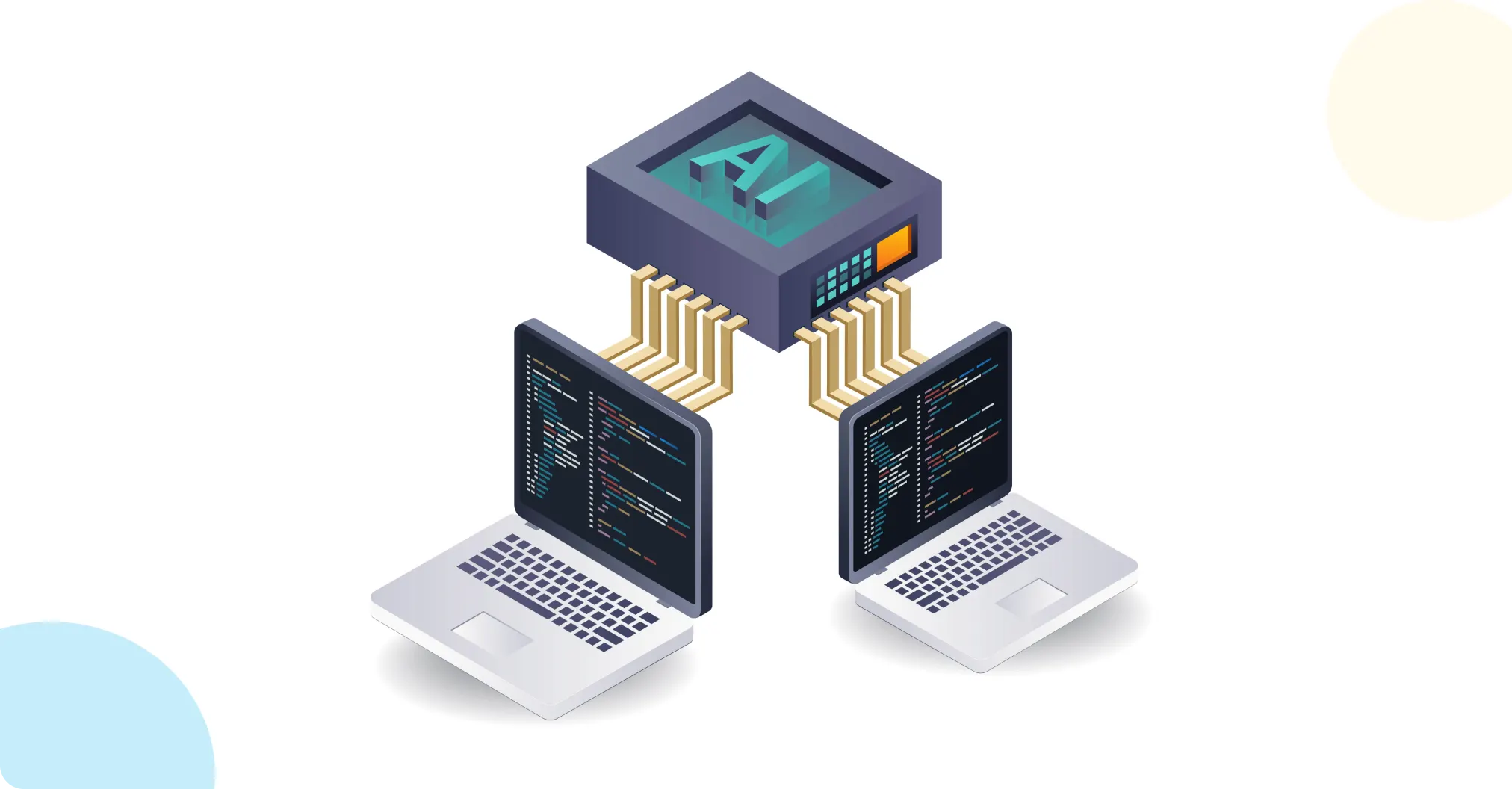
Ksolves, an AI-first Node.js consulting services company, designed and executed an AI-Assisted Node.js v18 to v22 Migration programme that replaced manual engineer-by-engineer review with automated breaking-change mapping, consistent code transformations, and systematic module conflict resolution. The AI-driven analysis covered deprecated APIs, dependency incompatibilities, CommonJS/ESM conflicts, and build workflow dependencies to create a risk-assessed migration plan before production changes were made.
- AI-Assisted Breaking Change and Deprecated API Inventory: The AI engine scanned the codebase against Node.js v18-to-v22 breaking changes, identifying deprecated APIs, removed methods, changed behaviours, and incompatible packages to create a prioritised migration inventory.
- Dependency Compatibility Assessment and Replacement Strategy: Every package in the dependency tree was assessed for v22 compatibility, identifying required updates, compatible replacements, or removals while maintaining functional equivalence.
- CommonJS and ESM Module System Conflict Resolution: The mixed module architecture was analysed for import/require conflicts, dual-package hazards, and resolution issues, with consistent patterns applied to create a v22-compatible module structure.
- Consistent AI-Generated Transformation Patterns: AI-generated transformation patterns were applied consistently across deprecated APIs, module updates, dependency changes, and build modifications, reducing inconsistencies across different codebase layers.
- CI/CD, Build Pipeline, and Runtime Environment Migration: Build scripts, CI/CD configurations, Docker images, and runtime specifications were updated for Node.js v22 and validated to ensure the complete build-to-deploy workflow functioned correctly.
- Targeted Regression Validation Against Breaking Changes: Regression testing was structured around the identified breaking-change categories, covering deprecated APIs, module conflicts, and dependency replacements to validate functional equivalence before production deployment.
Technology Stack
| Category | Technology |
|---|---|
| AI / LLM | AI-Assisted Code Pattern Mapping Engine |
| Platform | Node.js v22 (Migration Target Runtime) |
| Architecture | Module System Conflict Resolution Layer |
| DevOps | CI/CD Pipeline and Build Workflow Update |
| Testing | Regression Validation Test Suite |
| Methodology | Risk-Assessed Breaking Change Prioritisation |
From a Node.js v18 application carrying legacy dependency and module risks to a production-ready Node.js v22 application with no regressions and a modern platform foundation.
- Application Successfully Migrated to Node.js v22: The application was successfully deployed on Node.js v22.x, gaining modern runtime capabilities and long-term support without identified production regressions.
- Breaking Changes Identified and Resolved Before Migration: AI-assisted analysis identified deprecated APIs, module conflicts, and incompatible dependencies upfront, enabling planned resolution before production code changes began.
- Module System Conflicts Resolved: Systematic analysis resolved identified CommonJS/ESM conflicts and established a consistent module architecture compatible with Node.js v22.
- Consistent Migration Quality Across the Codebase: AI-generated transformation patterns were applied uniformly across affected code, reducing inconsistencies and regression risks between different application layers.
- Engineering Team Unblocked: The migration removed the constraints of the aging v18 runtime and provided the engineering team with a modern, supported Node.js v22 foundation for future development.

The Node.js v18 migration required systematic identification and resolution of dependency, API, module, and build workflow risks across the application. Ksolves used an AI-assisted approach to map these risks upfront, apply consistent transformations, and validate the migration before production deployment. The result was a successful Node.js v22 migration with no identified production regressions, resolved CJS/ESM conflicts, and a modern, supported runtime foundation. The engineering team can now move forward without the technical constraints and migration risks associated with the legacy v18 platform.
Is a Legacy Runtime Version Creating Technical Debt and Upgrade Risk in Your Platform?