



What Is iOS App Development and How Does It Differ from Android
Mobile App Development
5 MIN READ
December 31, 2025

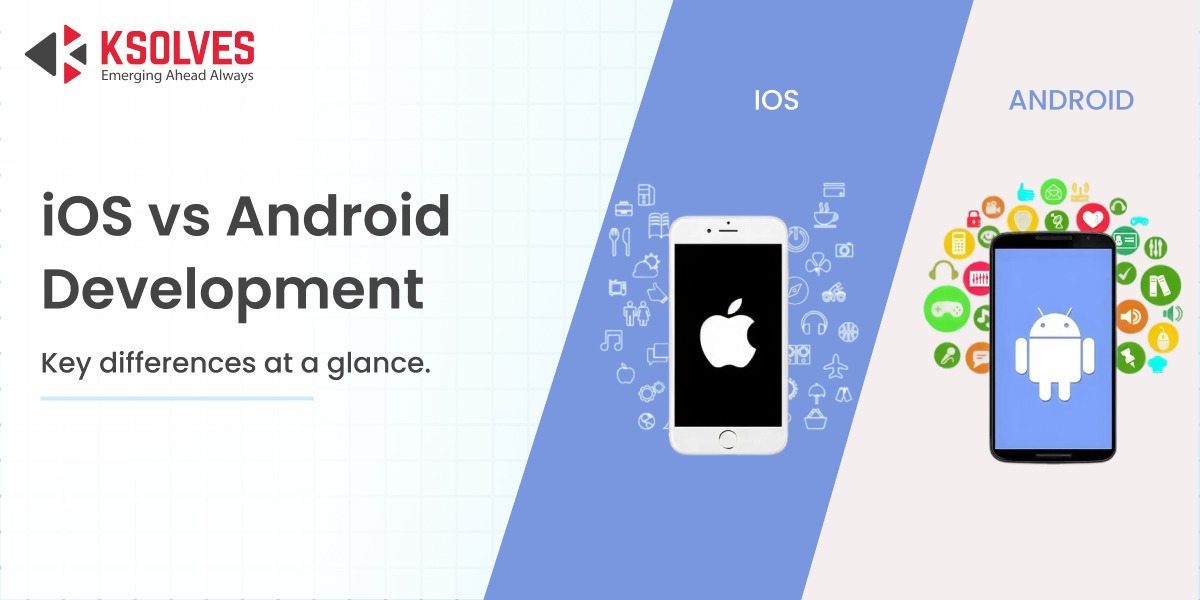
Mobile applications have become the foundation of digital interaction, with billions of users engaging daily on their smartphones. Among all mobile platforms, iOS and Android dominate the market, offering distinct experiences for users and developers alike. Understanding how iOS app development differs from Android app development is crucial for businesses aiming to deliver high-performing apps to their audiences.
Let’s dive deeper into what iOS app development entails and explore the key differences between iOS and Android development.
What Is iOS App Development?
iOS app development refers to the process of creating software applications for Apple’s mobile operating system (iOS), which powers devices like iPhones and iPads. Developers use programming languages such as Swift and Objective-C to build these applications within Xcode, Apple’s official integrated development environment (IDE).
Apple provides a highly controlled ecosystem, which ensures apps meet strict performance, design, and security standards before being published on the App Store. This results in a smooth, consistent user experience across all Apple devices.
Key Features of iOS App Development
- Exclusive to Apple Ecosystem: iOS apps are designed specifically for Apple devices, ensuring seamless performance across iPhones, iPads, and Macs (with Apple Silicon support).
- Swift Programming Language: Swift is fast, safe, and expressive, making it easier to develop and maintain iOS apps.
- App Store Distribution: Every iOS app must meet Apple’s review guidelines to ensure reliability and security.
- High Security Standards: Apple’s closed ecosystem and advanced encryption mechanisms effectively safeguard user data.
- Superior UI/UX Consistency: Apple’s Human Interface Guidelines (HIG) help developers maintain intuitive and elegant app designs.
How iOS App Development Differs from Android
Although both iOS and Android aim to deliver quality mobile experiences, the development environment, tools, testing, and deployment processes vary significantly.
1. Programming Languages
- iOS: Primarily uses Swift and Objective-C.
- Android: Built mainly using Kotlin and Java.
Swift’s syntax is cleaner and easier to learn compared to Java, which can make iOS development more straightforward for beginners.
2. Development Environments
- iOS: Uses Xcode, Apple’s IDE that provides all-in-one support for coding, debugging, and UI design.
- Android: Uses Android Studio, which offers greater flexibility and supports multiple device configurations.
While both are robust platforms, Xcode is optimized for Apple devices, ensuring consistency, whereas Android Studio allows broader customization due to its open-source nature.
3. Device Fragmentation
One of the biggest differences lies in device variety:
- iOS: Limited to Apple devices with standardized hardware and screen sizes.
- Android: Used by multiple manufacturers (Samsung, Google, Xiaomi, etc.), resulting in wide variations in screen resolution, processing power, and OS versions.
This fragmentation makes Android development and testing more complex, whereas iOS developers can optimize apps for fewer devices, ensuring smoother performance.
4. Design Guidelines
Both platforms follow unique design philosophies:
- iOS: Prioritizes minimalism and uniformity through Human Interface Guidelines.
- Android: Follows Material Design, which emphasizes flexibility and customization.
As a result, iOS apps often maintain a consistent, premium aesthetic, while Android apps can vary more in look and feel.
5. App Testing and Quality Assurance
Testing an iOS app is relatively simpler due to the limited number of Apple devices and iOS versions. In contrast, Android testing demands extensive coverage to ensure compatibility across devices and manufacturers.
- iOS Testing Tools: XCTest, TestFlight
- Android Testing Tools: Espresso, UI Automator, Firebase Test Lab
6. Monetization Models
Another significant difference lies in revenue generation:
- iOS users tend to spend more on apps and in-app purchases.
- Android users are more likely to download free apps supported by ads.
Therefore, if your business targets higher revenue through app sales or subscriptions, iOS might offer better returns, while Android provides broader reach.
7. App Deployment Process
- iOS App Store: Apple offers Individual and Organization developer accounts at $99/year, with strict reviews. Large enterprises can use the Enterprise Program ($299/year) for internal app distribution.
- Google Play Store: Google Play Console provides Personal and Organization accounts, both requiring a one-time $25 fee with no annual charges. Organization accounts need business verification but offer team features.
Apple’s rigorous review system ensures higher app quality, while Android’s open approach accelerates deployment.
Which Platform Should You Choose?
Choosing between iOS and Android depends on your business goals, target audience, and budget:
- Choose iOS if your audience values premium design, security, and performance.
- Choose Android if you aim for a broader global user base and flexibility.
Many businesses now prefer cross-platform app development using frameworks like Flutter or React Native, which allow simultaneous development for both platforms while saving time and cost.
Why Partner with an Expert Mobile App Development Company Like Ksolves?
Developing a robust, scalable, and engaging mobile app requires in-depth technical expertise and platform-specific knowledge. This is where partnering with an experienced Mobile app development company like Ksolves makes a difference.
At Ksolves, our certified developers specialize in crafting custom iOS and Android applications tailored to your business objectives. Whether it’s native app development or cross-platform app development solutions, we ensure seamless performance, intuitive design, and maximum ROI.
From ideation to deployment and post-launch support, Ksolves provides full-cycle iOS app development services using modern tools, best coding practices, and agile methodologies. If you’re ready to turn your app idea into a market-ready solution, Ksolves is your go-to technology partner.
Conclusion
Both iOS and Android app development come with their own advantages and challenges. While iOS offers uniformity, security, and higher monetization potential, Android excels in flexibility, reach, and customization. Understanding these differences helps businesses make informed decisions about their mobile strategy.
Whether you’re building a customer-facing mobile app or an enterprise-grade solution, choosing the right platform and the right development partner can make all the difference. With Ksolves’ expertise, your mobile application can deliver exceptional performance and user satisfaction across devices. Connect with our mobile app development experts today or send us your query at [email protected].
 ksolves Team
Mobile applications have transformed the way customers interact with digital products. They function as persistent, high-frequency touchpoints that deliver personalized […]
 ksolves Team
iOS 26, released in September 2025, represents one of the most significant visual and functional overhauls in Apple’s recent history. […]

































Author
About the Author Editorial Team The Ksolves Editorial Team includes certified Salesforce experts, Big Data engineers, AI/ML specialists, Zoho consultants, and experienced technology writers focused on delivering clear, actionable insights for modern businesses. With hands-on experience across Salesforce, Big Data platforms, AI/ML solutions, application development, software testing, and Zoho ERP/CRM, the team publishes practical guides, real-world use cases, and industry updates that support smarter decisions and faster growth. Every article is created to solve business challenges, guide technology adoption, and keep organizations aligned with evolving digital ecosystems.
Share with