



How Mobile Apps Drive Customer Engagement and Retention in Modern Digital Ecosystems
Mobile App Development
5 MIN READ
August 25, 2026

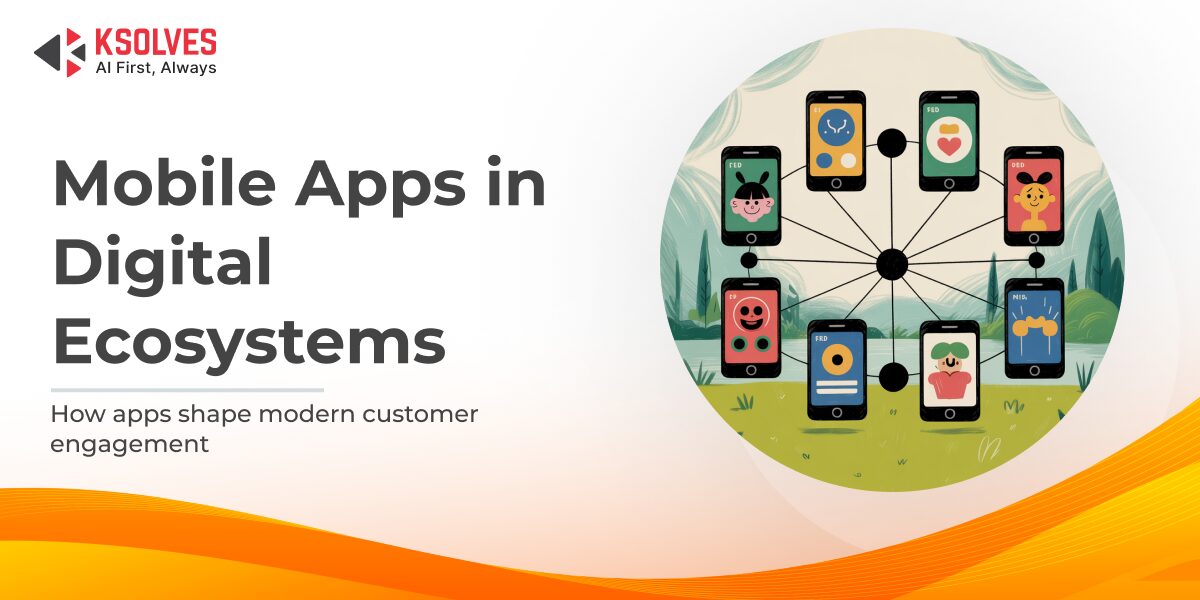
Mobile applications have transformed the way customers interact with digital products. They function as persistent, high-frequency touchpoints that deliver personalized content, fast transactions, and continuous engagement loops.
When engineered correctly, mobile apps significantly boost both engagement and long-term retention. Below is a structured, technical analysis of how mobile apps drive these outcomes, with examples of the mechanisms at work.
Mobile Apps as High-Frequency Interaction Channels
Mobile apps offer a level of speed, convenience, and responsiveness that web interfaces cannot match. Since an app resides on the device, it becomes a frequent touchpoint that encourages repeat usage.
Technical Advantages of Mobile Apps
- Local caching reduces load time and reliance on the server.
- Offline access keeps users active without connectivity.
- Native APIs allow interaction with GPS, sensors, biometrics, and the camera.
- Session persistence enables users to resume tasks without restarting.
A logistics app stores delivery updates offline. The moment the device reconnects, all entries sync to the server. This uninterrupted workflow drives higher daily engagement.
Personalization Engines That Adapt to User Behaviour
Personalization is one of the strongest drivers of mobile engagement. App-based personalization uses machine learning models that analyze user signals to deliver tailored experiences.
Signals Used for Personalization
- Time of app usage
- Purchase and browsing history
- Location patterns
- Clickstream events
- Device type and user segments
A streaming app monitors the type of content a user watches, how long they stay on each category, and which genres they revisit. This data is used to generate a personalized homepage that increases session duration.
Push Notifications for Real-Time Re-Engagement
Push notifications are one of the most effective engagement mechanisms when implemented with precision. They function via cloud messaging platforms such as FCM and APNS, connecting the backend to devices in real time.
How Push Systems Work
- An event is triggered in the backend
- Notification rules determine message type
- Message is delivered through FCM or APNS
- The device displays the notification
- User interaction is logged for analytics
High-Performing Notification Strategies
- Behaviour-based nudges
- Location-triggered alerts
- Abandoned cart messages
- Transactional updates
- New feature or content alerts
If a user frequently views a product but does not purchase it, the system can trigger a personalized notification with a targeted offer, reducing the chance of drop-off.
Ready to Build an App That Keeps Users Coming Back?
In App Loyalty Frameworks That Strengthen Retention
Loyalty systems encourage long-term engagement by rewarding users for repeated actions. A well-engineered loyalty framework combines gamification, tier progression, and reward logic.
Core Components of a Loyalty System
- Points allocation engine
- Tier-based rewards
- Gamified badge system
- Referral code tracking
- Redeemable reward catalog
A travel booking app offers points for each booking. Users unlock premium tiers that provide priority support and exclusive discounts. This reduces the likelihood of switching to competitors.
UX Engineering to Minimize Drop Off
User experience engineering plays a major role in keeping customers engaged. Technical UX decisions affect session duration, bounce rate, and conversion.
Engineering Principles for High Engagement
- Maintain load time under two seconds using caching and prefetching.
- Ensure intuitive navigation with minimal steps.
- Use gesture-friendly layouts for mobile ergonomics.
- Preserve session state for multi-step tasks.
- Provide real-time feedback via haptics and microanimations.
A banking app saves partially filled forms in local storage. If the user closes the app or the phone locks, they return to the same stage. This prevents frustration and encourages task completion.
Security Layers That Build Trust and Repeat Usage
Strong security enhances user trust, which directly improves retention. Users are more likely to continue using apps that protect their identity and financial data.
Security Components in Modern Apps
- Biometric verification
- Data encryption at rest and in transit
- Token-based authentication
- Risk scoring and fraud detection
- Device binding for sensitive transactions
A digital wallet app triggers additional biometric checks if login attempts occur from an unknown location. This increases trust and minimizes churn caused by security concerns.
Analytics-Driven Optimization for Sustained Engagement
Mobile analytics platforms provide insights that help engineering teams refine features and fix bottlenecks.
Metrics to Track for Engagement and Retention
- Daily active users
- Monthly active users
- Retention curves
- Feature usage frequency
- Funnel drop-off rates
- Crash reports and logs
If analytics reveal that users drop off at the payment screen, developers can optimize API performance, reduce the number of form fields, or add more payment methods. This directly increases conversions and repeat use.
Why You Need the Right Technology Partner
High-retention mobile applications require expertise in native development, backend design, analytics integration, ML-based personalization, DevOps, and cloud scalability.
Conclusion
Mobile apps improve customer engagement and retention through personalization, real-time push workflows, loyalty frameworks, seamless UX, and secure architecture.
Combined with analytics-driven improvement cycles, mobile apps become powerful engines for building long-term customer relationships and increasing lifetime value. Organizations that invest in robust mobile engineering gain a significant competitive advantage in digital ecosystems.
 ksolves Team
iOS 26, released in September 2025, represents one of the most significant visual and functional overhauls in Apple’s recent history. […]






























Author
About the Author Editorial Team The Ksolves Editorial Team includes certified Salesforce experts, Big Data engineers, AI/ML specialists, Zoho consultants, and experienced technology writers focused on delivering clear, actionable insights for modern businesses. With hands-on experience across Salesforce, Big Data platforms, AI/ML solutions, application development, software testing, and Zoho ERP/CRM, the team publishes practical guides, real-world use cases, and industry updates that support smarter decisions and faster growth. Every article is created to solve business challenges, guide technology adoption, and keep organizations aligned with evolving digital ecosystems.
Share with