



The Importance of Post-Launch Support for Android Apps
Mobile App Development
5 MIN READ
April 4, 2026

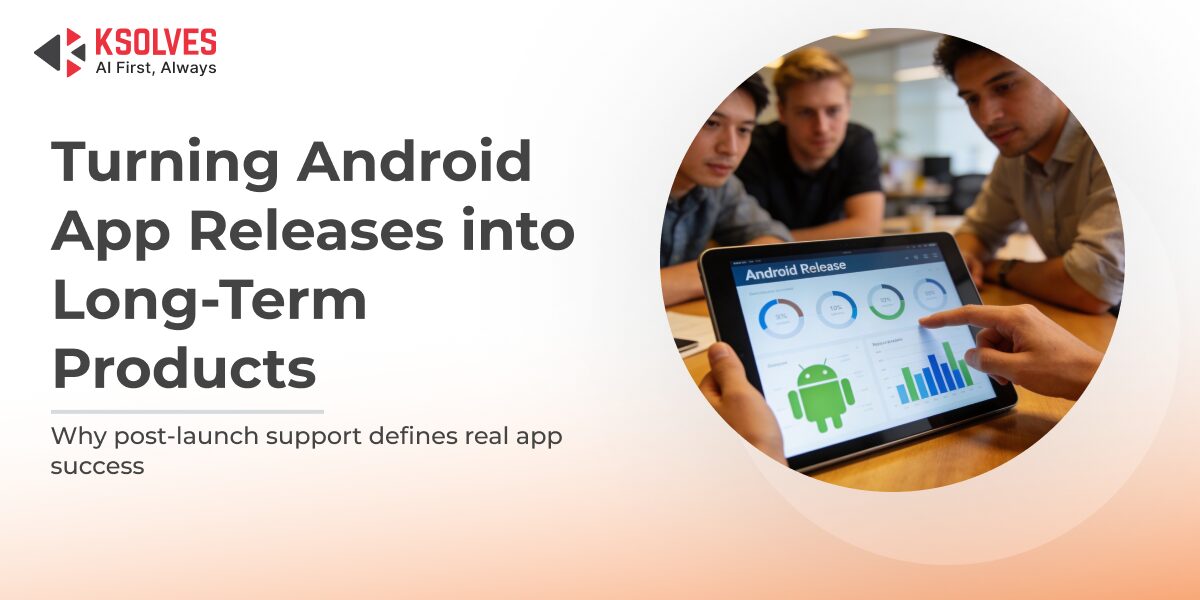
Launching an Android app is often seen as the finish line. In reality, it is only the starting point of a much longer journey. Once your app goes live on Google Play, real users begin interacting with it across hundreds of devices, OS versions, and network conditions. This is where the real challenges surface.
Many businesses underestimate the hidden risks of neglecting post-launch support. Minor bugs can turn into major usability issues. Hence, ongoing post-launch support plays a critical role in user retention, app stability, and long-term success. This blog explores why post-launch support is a critical success factor for Android apps, covering its core components, business benefits, potential risks of neglect, best practices for management, and how professional Android support services help.
What Is Post-Launch Support for Android Apps?
Post-launch support refers to the continuous activities performed after an Android app is released to ensure it remains stable, secure, and relevant. It goes beyond fixing obvious bugs and includes performance optimization, compatibility updates, security patches, and feature enhancements.
App launch is a one-time event. Maintenance focuses on keeping the app functional. Continuous improvement, however, is about refining the app based on user behavior, analytics, and market trends. Post-launch support combines all three and ensures the app grows alongside user expectations and business goals.
Why Post-Launch Support Is Critical for Android Apps
Android evolves rapidly. New OS versions are released every year, and users adopt them at different speeds. Add to this the massive device fragmentation across brands, screen sizes, and hardware configurations, and the complexity multiplies. Investing in responsive design in mobile app development from the start can significantly reduce the post-launch effort needed to address fragmentation.
User expectations are also constantly changing. Apps are compared not just with competitors but with the best digital experiences users have anywhere. Even small performance issues or outdated UI patterns can push users to uninstall. According to a recent study, Android apps with crash rates above 1% experience a 26% drop in user retention within 30 days, underscoring the importance of post-launch support that fixes bugs and improves stability to keep users engaged.
Over time, apps are also exposed to security risks and performance degradation. Third-party libraries change, APIs are deprecated, and new threats emerge. Without proactive support, even a well-built app can slowly lose stability, security, and relevance.
Also Read: Top 10 Mobile App Development Trends 2026
Key Components of Effective Post-Launch Android App Support
Bug Fixes and Performance Optimization
No app is bug-free at launch. Real-world usage uncovers edge cases that testing cannot always predict. Regular bug fixes and performance tuning help reduce crashes, improve load times, and deliver a smoother experience.
OS and Device Compatibility Updates
As Android versions and devices evolve, apps must adapt. Compatibility updates ensure the app works seamlessly across new OS releases, screen resolutions, and hardware changes without breaking existing functionality.
Security Updates and Compliance
Security vulnerabilities can arise from outdated libraries or changing compliance requirements. Timely security updates protect user data, maintain trust, and help meet regulatory standards where applicable.
User Feedback Monitoring and Improvements
User reviews, support tickets, and in-app feedback provide valuable insights. Monitoring this feedback allows teams to identify recurring issues and prioritize improvements that directly impact user satisfaction.
Feature Enhancements and Scalability
Post-launch support also enables feature evolution. Whether it is adding new functionality or scaling the app to support more users, continuous enhancements keep the app competitive and aligned with business growth. Keeping up with evolving Android design patterns is equally essential to ensure the app’s interface remains modern and competitive.
Business Benefits of Strong Post-Launch Support
Consistent post-launch support directly impacts user retention. When users experience fewer crashes and regular improvements, they are more likely to stay engaged and less likely to churn.
Well-maintained apps also receive better ratings and reviews on Google Play. Higher ratings improve app visibility and organic downloads, reducing user acquisition costs.
From a development perspective, having a structured support process enables faster rollout of updates and new features. Over time, proactive maintenance reduces the cost of fixing major issues, resulting in long-term savings.
Risks of Ignoring Post-Launch Android App Support
Failing to provide post-launch support often leads to a poor user experience. Bugs remain unresolved, performance issues worsen, and negative reviews start to pile up. Higher crash rates lead to increased uninstalls, directly affecting user growth. Security gaps can expose sensitive data and lead to compliance violations.
Ultimately, the biggest risk is loss of brand trust. Once users associate an app with unreliability, winning them back becomes extremely difficult, and revenue opportunities decline.
Best Practices for Managing Post-Launch Support
Effective post-launch support starts with the right monitoring and analytics tools. Crash reporting, performance monitoring, and user behavior analytics provide real-time visibility into app health. A structured support and update roadmap helps teams plan fixes and enhancements systematically rather than reacting to issues randomly. Prioritization should be based on business impact, user feedback, and risk level.
Automation also plays a key role. Automated testing and CI/CD pipelines help release updates faster while minimizing the risk of introducing new issues.
In-House vs Outsourced Post-Launch Support
Managing post-launch support in-house offers control and direct communication, but it can be resource-intensive. Teams must stay updated with Android changes while handling ongoing support alongside new development.
Outsourcing post-launch support to an experienced Android app development company provides access to specialized expertise, established processes, and faster response times. It allows internal teams to focus on innovation while support experts handle maintenance.
Outsourcing makes strategic sense when businesses want predictable costs, faster issue resolution, and continuous improvement without expanding internal teams.
How Professional Android Support Services Add Value
Partnering with an Android App Development Company like Ksolves ensures your app receives expert care beyond launch. With access to experienced Android developers, issues are identified and resolved quickly before they impact users. Our experienced Android developers proactively identify and resolve issues before they affect users, helping you maintain stability, performance, and reliability at scale.
With proactive monitoring, timely updates, security enhancements, and performance optimization, we ensure your app stays compatible with evolving Android versions and user expectations. Every improvement is aligned with your business goals, enabling better user engagement, higher retention, and measurable ROI over time.
If you want to extend the lifecycle of your Android app, reduce operational risks, and continuously deliver value to users, Ksolves Android support services are built to support your growth.
Conclusion
Post-launch support is not an optional add-on. It is a critical component of Android app success. From maintaining stability and security to improving user experience and scalability, ongoing support ensures your app remains relevant in a competitive market.
By investing in structured post-launch support, businesses can protect their app investment, retain users, and create a foundation for long-term growth. Contact us today to discuss how our Android experts can keep your app stable, secure, and future-ready.
Frequently Asked Questions
What is post-launch support for Android apps?
What happens if an Android app doesn’t receive post-launch support?
How do you manage Android app compatibility with new OS versions?
Is outsourcing Android post-launch support better than handling it in-house?
When should a business start planning for post-launch Android app support?
How does Ksolves approach post-launch Android app support?
How much does it cost to maintain an Android app after launch?
Still have questions? Contact our team for a free consultation.
 ksolves Team
Mobile applications have transformed the way customers interact with digital products. They function as persistent, high-frequency touchpoints that deliver personalized […]






























Author
About the Author Editorial Team The Ksolves Editorial Team includes certified Salesforce experts, Big Data engineers, AI/ML specialists, Zoho consultants, and experienced technology writers focused on delivering clear, actionable insights for modern businesses. With hands-on experience across Salesforce, Big Data platforms, AI/ML solutions, application development, software testing, and Zoho ERP/CRM, the team publishes practical guides, real-world use cases, and industry updates that support smarter decisions and faster growth. Every article is created to solve business challenges, guide technology adoption, and keep organizations aligned with evolving digital ecosystems.
Share with