



Modern Cybersecurity Practices: A Complete Guide to Strengthening Digital Security
Cybersecurity
5 MIN READ
September 18, 2026

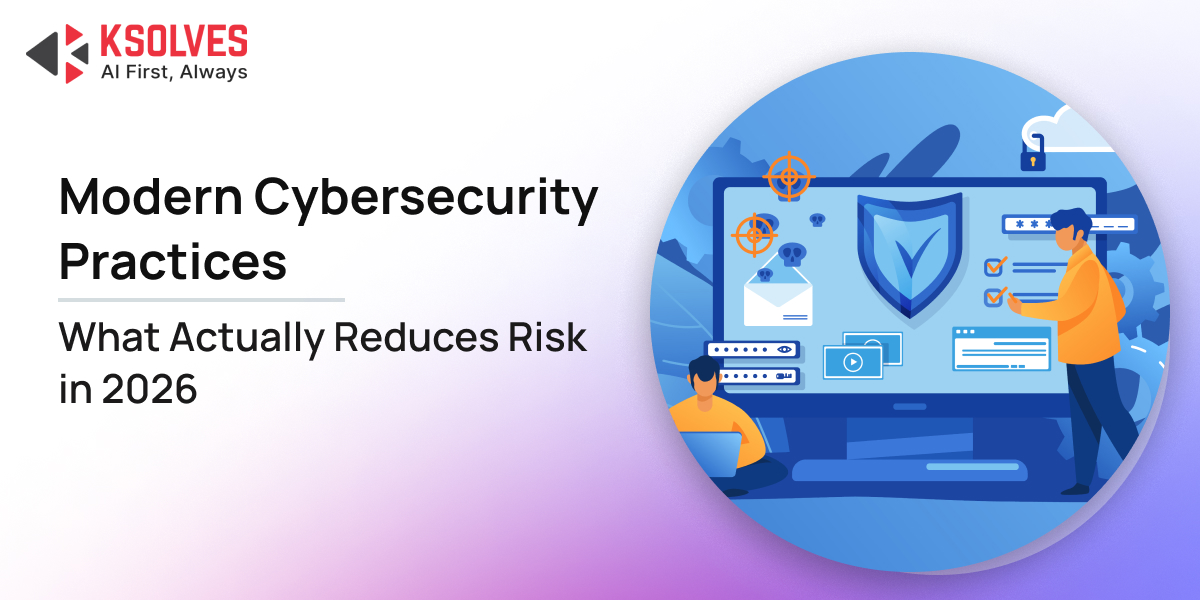
Digital transformation gave organizations cloud platforms, APIs, mobile access, and interconnected systems built for growth. It also gave attackers a much larger surface to work with. IBM’s 2025 Cost of a Data Breach Report puts a number on what that surface now costs when it fails: a global average of $4.44 million per breach, $10.22 million in the US, an all-time high, and $7.42 million in healthcare specifically, the most expensive industry for the fifteenth consecutive year. (Source: IBM Cost of a Data Breach Report 2025, CyberScoop.)
Antivirus software and a firewall were adequate defenses for a smaller, more contained attack surface. They are not adequate for this one. Modern cybersecurity requires a deliberate combination of technology, process, and human behavior, and getting the balance between those three right is now a business decision, not just a technical one.
The Core Objectives of Cybersecurity: Confidentiality, Integrity, and Availability
Cybersecurity practice still rests on three objectives: confidentiality, keeping information accessible only to those authorized to see it; integrity, protecting data from unauthorized change; and availability, keeping systems accessible when they’re needed. Every practice covered below serves at least one of these three, which is a useful test for whether a new tool or process is actually adding protection or just adding overhead.
Common Cybersecurity Threats and Challenges in 2026
Six categories account for most of the exposure organizations carry today. Ransomware encrypts business-critical data and demands payment for its release; Verizon’s 2026 Data Breach Investigations Report found ransomware present in 48% of confirmed breaches, up from 44% the year before. Phishing and social engineering trick users into handing over credentials directly, still a leading entry point despite years of awareness campaigns. Malware, spyware, and trojans continue to exploit the same weaknesses they always have, usually a careless click rather than a technical failure. Cloud misconfigurations and weak access controls expose data that was never meant to be public. Insecure APIs, now the connective tissue of most modern applications, give attackers a direct path in when authentication or input validation is missed. And insider threats, whether accidental or deliberate, remain hard to catch precisely because the access involved is legitimate.
Source: Verizon 2026 DBIR coverage, SecurityWeek.
7 Modern Cybersecurity Practices to Strengthen Digital Security
Zero Trust Security
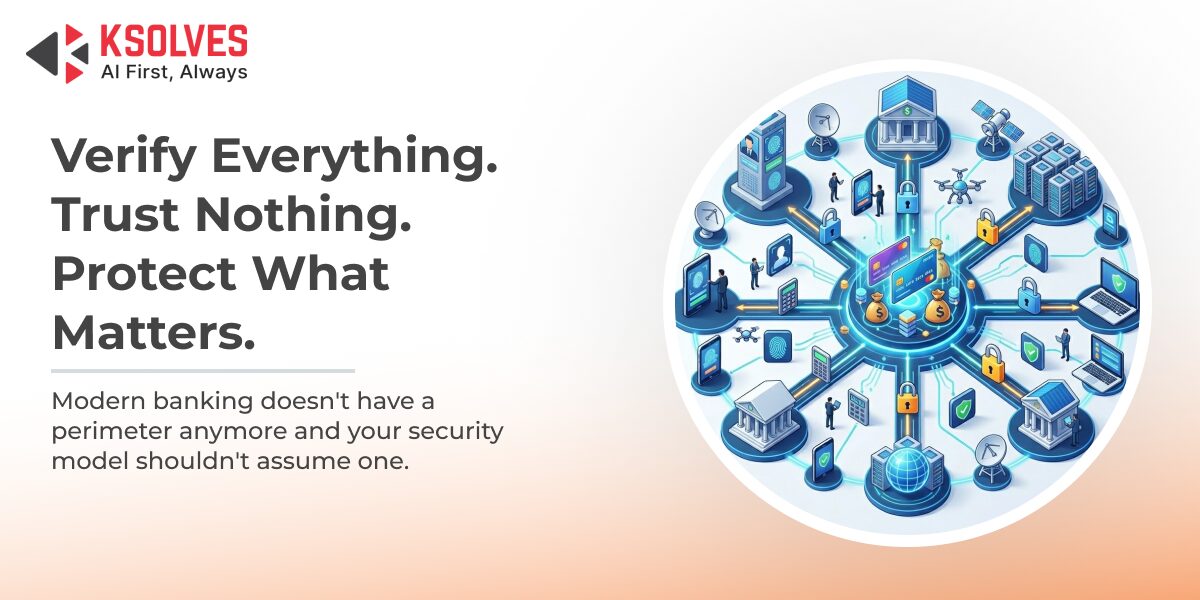
The model’s principle, never trust, always verify, replaces the older assumption that anything inside the network perimeter is safe. Every user, device, and application gets continuously authenticated and authorized rather than trusted by default. The practical payoff shows up specifically once an attacker is already inside: a well-implemented zero trust environment gives them far less room to move laterally, which matters more than ever given how much faster modern intrusions unfold from first access to actual damage.
Multi-Factor Authentication (MFA)
Passwords alone stopped being sufficient years ago. In Microsoft’s own measurement study of Azure Active Directory accounts, enabling MFA reduced the risk of account compromise by 99.22% across the population studied, and by 98.56% even for accounts whose passwords had already leaked. That’s not a marginal improvement, it’s close to the single highest-leverage control available for the cost of turning it on.
Source: How Effective Is MFA, Really?, Security Boulevard.
API and Application Security
API authentication, input validation, encryption in transit, and regular vulnerability assessments need to be built into the development lifecycle rather than bolted on before launch. This matters more as APIs become the default way applications talk to each other rather than an occasional integration point.
Data Encryption and Protection
Encryption at rest and in transit, disciplined key management, and access controls that actually limit who can reach sensitive data all reduce what an attacker gets even after a successful breach. Paired with a tested backup and recovery process, encryption is what keeps a breach from becoming a total loss.
Continuous Monitoring and Threat Detection
SIEM tooling, real-time monitoring, and AI-assisted anomaly detection are what separate a breach caught in hours from one caught months later. IBM’s 2025 report found average detection and containment time fell to 241 days, the fastest in nine years, largely because organizations investing in AI-assisted detection are catching incidents earlier than manual review ever could.
Regular Security Audits
Periodic assessment of vulnerabilities, controls, and compliance posture matters because the threat landscape doesn’t hold still long enough for a one-time hardening effort to stay sufficient. Verizon’s data on patch cycles makes the stakes concrete: edge device and VPN exploitation grew nearly eightfold in a single year, while only about 54% of known vulnerabilities in that category had actually been patched, with a median remediation time of 32 days. An audit that isn’t repeated on a real cadence tends to miss exactly this kind of drift.
Employee Cybersecurity Awareness Training
Human error remains one of the most common paths into a breach, not because people are careless, but because phishing and social engineering are specifically designed to exploit ordinary trust. Regular, practical training on recognizing phishing attempts, handling data properly, and reporting suspicious activity turns a workforce from the weakest link into the first line of defense.
People, Process, and Technology: The Three Pillars of Cybersecurity
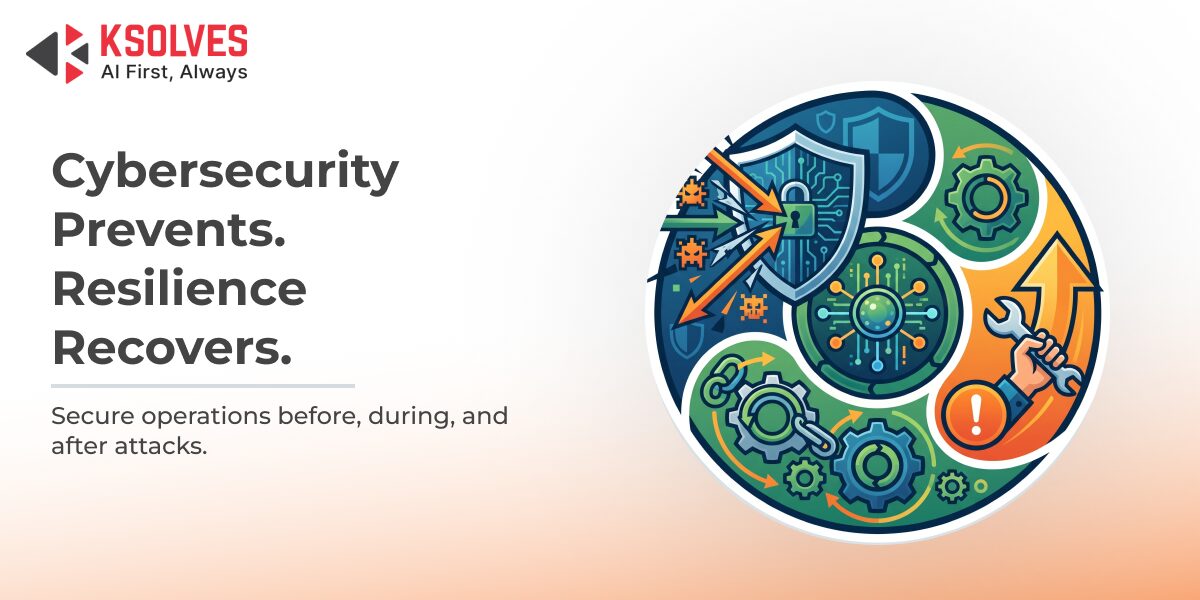
None of the seven practices above works in isolation. Educated, security-conscious employees prevent incidents that no amount of tooling would have caught. Well-defined policies, incident response plans, and governance frameworks give the organization a structure to act inside of. Advanced security tools provide the visibility, automation, and response speed that neither people nor process can deliver alone. Real digital resilience shows up at the intersection of the three, not in whichever one gets the biggest budget line.
The Future of Cybersecurity: AI, Zero Trust, and Emerging Trends
AI is already reshaping both sides of this fight, accelerating detection for defenders while compressing the time attackers need to find and exploit a new vulnerability from weeks down to hours. Zero trust architectures, cloud-native security, and predictive threat intelligence are becoming standard expectations rather than advanced options, and the organizations keeping pace are the ones treating cybersecurity as a continuous, adaptive practice rather than a project with an end date.
Cybersecurity Services and Solutions From Ksolves
Ksolves works through these seven practices as a connected system for every client, not a checklist run once and filed away: reviewing where risk is actually concentrated for that organization’s specific systems, then prioritizing zero trust, identity controls, API hardening, and monitoring investment against that picture. Ksolves cybersecurity services are built around that same continuous re-evaluation as the threat landscape shifts.































AUTHOR
Cybersecurity
Mayank Shukla, a seasoned Technical Project Manager at Ksolves with 8+ years of experience, specializes in AI/ML and Generative AI technologies. With a robust foundation in software development, he leads innovative projects that redefine technology solutions, blending expertise in AI to create scalable, user-focused products.
Share with