



Odoo Dashboards for Clinics and Healthcare Providers to Track Patient Flow and Operational KPIs
Odoo
5 MIN READ
June 19, 2026

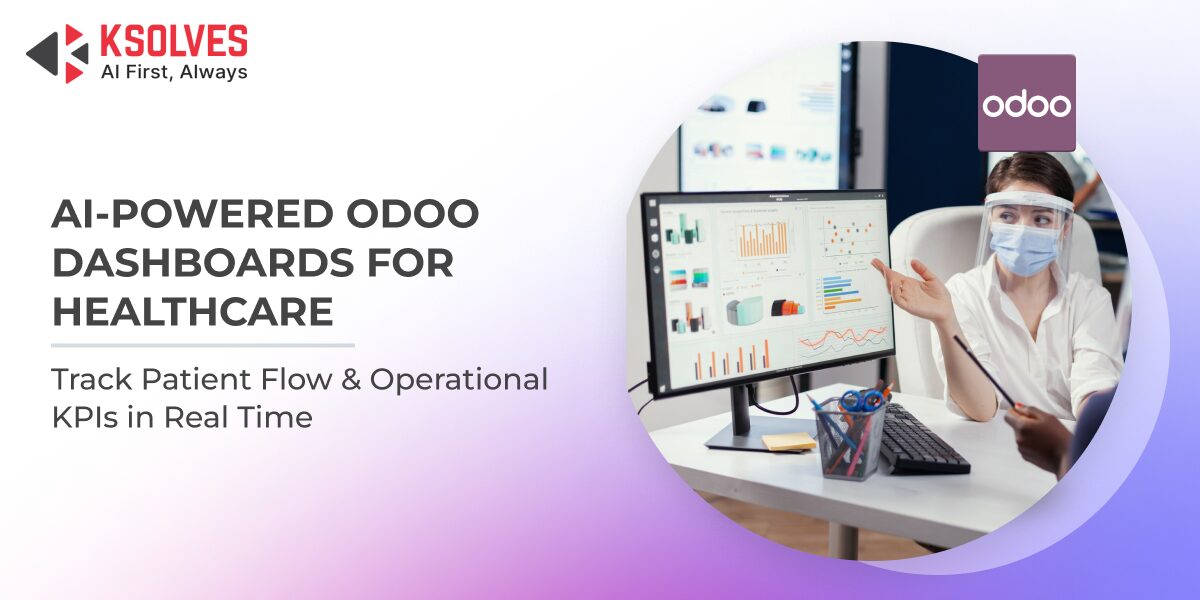
Healthcare organizations are under constant pressure to deliver exceptional patient care while maintaining operational efficiency. From managing appointment schedules and reducing patient wait times to optimizing staff utilization and monitoring revenue performance, healthcare providers must make countless decisions every day.
However, many clinics and healthcare facilities still rely on spreadsheets, disconnected systems, and static reports that provide limited visibility into day-to-day operations. This lack of real-time insights often results in bottlenecks, inefficient resource allocation, delayed decision-making, and reduced patient satisfaction.
This is where Odoo dashboards can make a significant difference. By consolidating operational data into a single, interactive interface, Odoo dashboards help healthcare providers monitor patient flow, track key performance indicators (KPIs), and make data-driven decisions faster.
With advanced solutions like Dashboard Ninja with AI, healthcare organizations can go a step further by leveraging AI-powered analytics, automated insights, and intelligent dashboard explanations to improve operational outcomes.
Understanding Patient Flow in Healthcare Operations
Patient flow refers to the movement of patients through various stages of care within a healthcare facility. Efficient patient flow ensures that patients receive timely care while healthcare providers maximize the utilization of available resources.
A typical patient journey includes:
- Appointment scheduling.
- Patient registration and check-in.
- Consultation with healthcare providers.
- Diagnostic testing or imaging.
- Treatment procedures.
- Billing and payment processing.
- Follow-up appointments.
When any part of this process becomes inefficient, it can create delays that impact both patients and healthcare staff.
Common Patient Flow Challenges
Many clinics and healthcare providers encounter challenges such as:
- Long patient waiting times.
- Appointment scheduling conflicts.
- High no-show rates.
- Uneven workload distribution among staff.
- Delays in patient registration and billing.
- Limited visibility into operational performance.
- Difficulty forecasting patient demand.
Why Healthcare Providers Need Real-Time Operational Dashboards
Traditional reporting methods often fail to provide the visibility required for modern healthcare operations.
Static reports generated weekly or monthly may show what happened, but they rarely provide enough information to act immediately when problems arise.
Limitations of Traditional Reporting
Common challenges associated with manual reporting include:
- Data spread across multiple systems.
- Time-consuming report generation.
- Delayed access to operational insights.
- Limited visibility into current performance.
- Increased dependency on IT teams for reporting.
Healthcare leaders need immediate access to critical information to ensure smooth patient experiences and efficient operations.
Benefits of Real-Time Dashboard Monitoring
Odoo ERP dashboards provide healthcare organizations with:
- Centralized operational visibility.
- Faster decision-making capabilities.
- Improved patient service levels.
- Better workforce management.
- Reduced administrative burden.
- Enhanced accountability across departments.
Key Patient Flow KPIs Healthcare Organizations Should Monitor
Tracking the right KPIs enables healthcare providers to identify inefficiencies and continuously improve service delivery.
1. Patient Registration Volume
This KPI measures the number of patients registering within a specific period.
Healthcare administrators can monitor:
- Daily registrations.
- Weekly trends.
- Monthly growth patterns.
- New patient acquisition rates.
- Returning patient volumes.
Understanding registration trends helps organizations plan staffing requirements and resource allocation more effectively.
2. Appointment Utilization Rate
Appointment utilization helps determine how effectively available appointment slots are being used.
Important metrics include:
- Scheduled appointments.
- Completed appointments.
- Cancelled appointments.
- No-show rates.
- Appointment conversion percentages.
Monitoring these metrics can help improve scheduling efficiency and maximize provider availability.
3. Average Patient Wait Time
Patient wait time is one of the most important indicators of operational efficiency and patient satisfaction.
Healthcare providers can track:
- Check-in to consultation time.
- Consultation to treatment time.
- Department-specific waiting periods.
- Peak-hour delays.
Reducing wait times often leads to higher patient satisfaction and improved retention.
4. Patient Throughput
Patient throughput measures the number of patients successfully processed within a given timeframe.
This KPI helps organizations evaluate:
- Department efficiency.
- Provider productivity.
- Daily patient handling capacity.
- Bottlenecks within care delivery processes.
5. Consultation Duration
Monitoring consultation times can reveal valuable operational insights.
Healthcare providers can analyze:
- Average consultation duration.
- Provider-specific performance.
- Department-level trends.
- Resource planning requirements.
Balancing consultation quality with operational efficiency is essential for sustainable growth.
6. Patient Satisfaction Metrics
Healthcare dashboards can consolidate feedback data and monitor:
- Patient satisfaction scores.
- Service quality ratings.
- Complaint trends.
- Experience improvement opportunities.
7. Follow-Up Compliance Rate
Follow-up care is critical for maintaining positive patient outcomes.
Healthcare organizations can track:
- Scheduled follow-ups.
- Completed follow-ups.
- Missed appointments.
- Follow-up adherence rates.
This KPI is particularly important for specialty clinics and chronic care providers.
8. Facility Utilization Metrics
For larger healthcare facilities and multi-specialty clinics, utilization metrics provide insights into resource efficiency.
Examples include:
- Consultation room utilization.
- Diagnostic equipment utilization.
- Bed occupancy rates.
- Capacity planning indicators.
Operational KPIs Clinics Can Track Using Odoo Dashboards
Beyond patient flow, healthcare providers must also monitor operational performance across departments.
1. Staff Productivity Metrics
Effective workforce management is essential for maintaining service quality.
Healthcare dashboards can track:
- Patients handled per provider.
- Staff workload distribution.
- Shift performance.
- Overtime trends.
- Resource utilization.
These insights help optimize scheduling and prevent employee burnout.
2. Revenue and Billing KPIs
Financial visibility is critical for sustainable healthcare operations.
Key metrics include:
- Revenue by department.
- Outstanding invoices.
- Payment collection rates.
- Insurance claim tracking.
- Average patient billing value.
Real-time visibility into financial performance enables faster corrective actions.
3. Appointment Management KPIs
Appointment-related analytics help improve operational efficiency.
Healthcare providers can monitor:
- Appointment booking trends.
- Cancellation patterns.
- No-show percentages.
- Provider availability.
- Scheduling efficiency.
These insights help maximize patient capacity while improving service delivery.
4. Inventory and Medical Supplies Monitoring
Medical inventory shortages can directly impact patient care.
Odoo dashboards enable organizations to monitor:
- Medicine stock levels.
- Inventory consumption rates.
- Medical equipment availability.
- Reorder thresholds.
- Inventory turnover.
This ensures critical supplies remain available when needed.
5. Financial Performance Monitoring
Healthcare leaders require a complete view of organizational performance.
Dashboards can provide visibility into:
- Revenue growth.
- Operational costs.
- Department profitability.
- Cash flow performance.
- Budget utilization.
Make Faster Operational Decisions with AI-Powered Odoo Dashboards using Dashboard Ninja with AI
How Odoo Dashboards Improve Patient Flow Management
1. Centralized Healthcare Data Visibility
Healthcare organizations often manage data across multiple functions, including appointments, billing, inventory, patient records, and workforce management.
Odoo dashboards consolidate these data sources into a unified view, allowing stakeholders to access critical information from a single location.
This eliminates reporting silos and improves collaboration across departments.
2. Real-Time Monitoring of Clinic Operations
Real-time dashboards enable healthcare teams to:
- Monitor patient movement.
- Track appointment status.
- Identify service delays.
- Measure department performance.
- Evaluate operational efficiency.
Administrators can quickly respond to emerging issues before they impact patient experiences.
3. Early Identification of Bottlenecks
Dashboard visualizations make it easier to identify:
- Overloaded schedules.
- Registration delays.
- Long patient queues.
- Resource shortages.
- Staffing imbalances.
By detecting issues early, healthcare providers can take corrective action before problems escalate.
4. Enhanced Decision-Making
Odoo dashboards help leadership teams:
- Allocate resources effectively.
- Improve workforce planning.
- Increase operational efficiency.
- Enhance patient satisfaction.
- Support strategic growth initiatives.
Also Read: How to Build Your First Sales Dashboard in Dashboard Ninja with AI
Advanced Healthcare Analytics with Dashboard Ninja with AI
Standard reports often require healthcare administrators to spend time interpreting charts, identifying trends, and understanding performance metrics. Dashboard Ninja with AI simplifies this process by combining real-time dashboards with AI-powered insights, making healthcare data easier to understand and act upon.
1. Custom Healthcare Dashboards
Every healthcare organization tracks different performance metrics. Dashboard Ninja with AI allows clinics, hospitals, and healthcare providers to build customized dashboards tailored to their operational goals.
Healthcare teams can create dashboards for:
- Patient flow monitoring.
- Appointment management.
- Revenue and billing performance.
- Staff productivity tracking.
- Inventory and medical supplies management.
- Department-wise operational performance.
This flexibility ensures that every stakeholder has access to the metrics most relevant to their role.
Create a Custom Odoo Dashboard in Minutes with Dashboard Ninja with AI!
2. AI-Powered Dashboard Explanations
Healthcare teams can instantly understand dashboard data without manually analyzing every chart and KPI.
Dashboard Ninja with AI helps explain:
- Patient volume trends.
- Appointment performance metrics.
- Revenue and billing KPIs.
- Department-level performance.
- Operational dashboard insights.
This enables administrators and managers to gain clarity faster and make informed decisions with confidence.
3. Advanced Data Visualization
Understanding healthcare data becomes easier with rich visual reporting options.
Dashboard Ninja with AI offers multiple visualization formats, including:
- Bar Charts
- Line Charts
- Pie Charts
- Donut Charts
- KPI Cards
- Area Charts
- List Views
- Pivot Views
These visualizations help healthcare teams quickly identify trends, monitor performance, and make informed decisions.
4. Interactive Drill-Down Analytics
Healthcare administrators often need to move beyond summary metrics to understand the root cause behind operational trends.
Dashboard Ninja with AI enables users to drill down from dashboard widgets directly into underlying Odoo records, making it easier to investigate:
- Appointment delays.
- Patient registration trends.
- Billing performance.
- Department-specific KPIs.
- Resource utilization metrics.
This allows faster analysis without switching between multiple reports.
5. Role-Based Dashboard Access
Different teams require different views of healthcare data.
Dashboard Ninja with AI enables organizations to create role-specific dashboards for:
- Clinic Administrators.
- Operations Managers.
- Finance Teams.
- Department Heads.
- Front Desk Teams.
This ensures users can focus on the information most relevant to their responsibilities.
6. Real-Time KPI Monitoring
Healthcare operations can change rapidly throughout the day. Dashboard Ninja with AI provides real-time visibility into critical KPIs, helping teams stay informed about operational performance.
Organizations can monitor:
- Daily patient volumes.
- Appointment completion rates.
- Wait times.
- Revenue metrics.
- Inventory levels.
- Staff performance indicators.
With live dashboards, healthcare leaders can make timely decisions based on current operational data.
7. Centralized Reporting Across Odoo
Healthcare providers often rely on multiple Odoo modules to manage operations. Dashboard Ninja with AI consolidates data from across the Odoo ecosystem into a single reporting interface.
This enables healthcare organizations to analyze information from:
- CRM
- Appointments
- Sales
- Accounting
- Inventory
- Purchase
- HR
- Custom Healthcare Modules
By bringing all critical data together, Dashboard Ninja with AI provides a comprehensive view of organizational performance and operational efficiency.
Real-World Healthcare Dashboard Use Cases
Healthcare organizations have unique operational requirements, but all rely on timely data and performance visibility to deliver quality care. Odoo dashboards help different healthcare providers track the KPIs that matter most to their operations.
1. Multi-Specialty Clinic Networks
Managing multiple clinics requires centralized visibility into performance across locations. Odoo dashboards enable healthcare leaders to:
- Compare patient volumes across clinics.
- Monitor appointment utilization rates.
- Track provider and staff productivity.
- Analyze revenue performance by location.
- Identify operational bottlenecks and service delays.
- Standardize KPI reporting across the network.
This helps management ensure consistent service quality and operational efficiency across all facilities.
2. Diagnostic Centers
Diagnostic and imaging centers depend on efficient scheduling and timely report delivery. With Odoo dashboards, they can:
- Monitor test volumes and laboratory workload.
- Track sample processing and report turnaround times.
- Analyze equipment utilization rates.
- Measure technician productivity.
- Identify peak testing periods.
- Monitor revenue generated by diagnostic services.
These insights help optimize resource utilization and improve service delivery.
3. Specialty Care Providers
Specialty clinics such as cardiology, oncology, orthopedics, and fertility centers require close monitoring of patient care journeys. Dashboards can help track:
- Patient acquisition and retention trends.
- Follow-up appointment compliance.
- Consultation and treatment volumes.
- Referral source performance.
- Provider productivity and scheduling efficiency.
- Revenue and service performance by specialty.
This enables providers to improve patient engagement while maximizing operational effectiveness.
4. Medical Tourism Providers
Medical tourism organizations manage complex patient journeys involving consultations, treatments, travel coordination, and post-treatment follow-ups. Odoo dashboards provide visibility into:
- International patient inquiries and conversions.
- Treatment pipeline and case progress tracking.
- Appointment and procedure scheduling.
- Patient journey status across departments.
- Revenue generated from international patients.
- Operational performance across care coordination teams.
With a centralized dashboard, medical tourism providers can ensure seamless patient experiences while maintaining complete visibility into business performance.
Final Words
By tracking patient flow, appointment performance, staff productivity, and financial KPIs through Odoo dashboards, healthcare providers can make faster, data-driven decisions and improve overall efficiency.
With Dashboard Ninja with AI, healthcare organizations gain a centralized view of critical metrics, empowering teams to optimize operations, enhance patient experiences, and drive sustainable growth.
Ready to Gain Complete Visibility into Your Healthcare Operations? Try Dashboard Ninja with AI!



































AUTHOR
Odoo
Neha Negi, Presales and Business Associate Head at Ksolves is a results-driven ERP consultant with over 8 years of expertise in designing and implementing tailored ERP solutions. She has a proven track record of leading successful projects from concept to completion, driving organizational efficiency and success.
Share with