



Odoo 19 eCommerce Features: Building a Unified Commerce Experience
Odoo
5 MIN READ
September 1, 2026

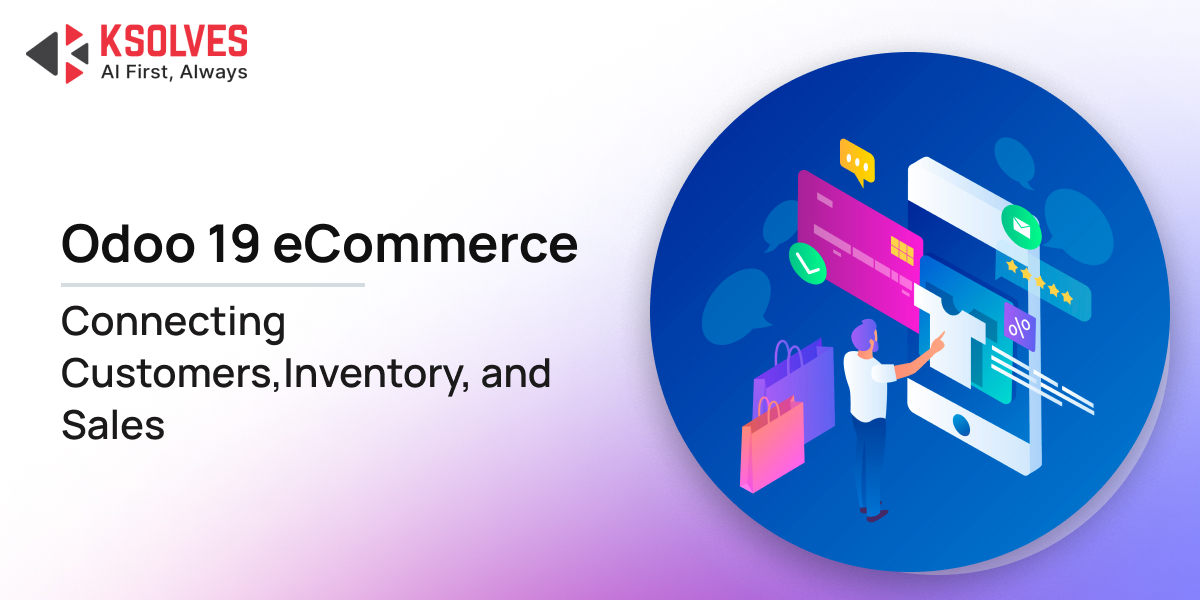
What if your online store could automatically synchronize inventory, customer data, and order fulfillment while seamlessly serving both B2B and B2C customers? That’s the promise of unified commerce, and it’s rapidly becoming the benchmark for modern eCommerce.
According to industry forecasts, global retail eCommerce sales are expected to exceed $8 trillion by 2028, yet many businesses continue to struggle with disconnected systems, inventory inconsistencies, and fragmented customer experiences. As customer expectations continue to rise, having an online store alone is no longer enough.
Businesses today need a platform that connects every aspect of commerce, from sales and inventory to CRM, finance, and fulfillment, within a single ecosystem. This is where Odoo 19 stands out. Building on its integrated ERP foundation, Odoo 19 enhances eCommerce with improved website performance, greater development flexibility, stronger omnichannel capabilities, and scalable business workflows.
In this blog, we’ll explore the key eCommerce features of Odoo 19 and how they help businesses build faster, smarter, and more connected digital commerce experiences.
What is Unified Commerce and Why Does It Matter?
Businesses often use the terms multichannel, omnichannel, and unified commerce interchangeably, but they represent different approaches to managing customer experiences.
- Multichannel commerce allows businesses to sell through multiple channels, such as websites, marketplaces, social media, and physical stores. However, these channels often operate independently.
- Omnichannel commerce improves customer experience by connecting these channels, allowing customers to move between them more seamlessly.
- Unified commerce goes one step further by bringing every customer interaction, business process, and operational function onto a single platform with one centralized database.
Instead of synchronizing data between multiple disconnected applications, unified commerce ensures every department works from the same source of truth in real time.
For example:
- A product purchased online immediately updates inventory across all warehouses and retail locations.
- Customer purchase history becomes instantly available to sales and support teams.
- Financial records are generated automatically without manual reconciliation.
- Marketing teams can launch personalized campaigns using real-time customer behavior.
This eliminates duplicate data, reduces operational delays, and provides complete visibility across the business.
Also Read: Optimizing E-commerce Sales and Operational Efficiency with Odoo
Why Businesses Are Moving Toward Unified Commerce
As businesses expand across multiple sales channels, operational complexity increases significantly. Managing separate systems for eCommerce, CRM, inventory, accounting, shipping, and customer support often results in:
- Inventory discrepancies.
- Delayed order processing.
- Inconsistent pricing across channels.
- Duplicate customer records.
- Manual data entry.
- Higher operational costs.
Unified commerce solves these challenges by centralizing business operations into one integrated platform. Teams spend less time reconciling data and more time delivering exceptional customer experiences.
How Odoo Enables Unified Commerce
One of Odoo’s biggest strengths has always been its fully integrated business ecosystem. Unlike many eCommerce platforms that depend heavily on third-party applications, Odoo brings together:
- Website
- eCommerce
- Sales
- CRM
- Inventory
- Purchase
- Accounting
- Marketing Automation
- Point of Sale (POS)
- Customer Support
Because these applications share the same database, information flows seamlessly between departments without requiring complex integrations or manual synchronization.
The result is a connected commerce ecosystem where every business function contributes to a faster, more consistent customer experience.
What’s New in Odoo 19 eCommerce?
Odoo 19 builds upon this unified foundation by introducing enhancements that make online commerce more scalable, performant, and adaptable to evolving customer expectations.
Rather than focusing solely on storefront design, Odoo 19 strengthens the technologies and workflows that power modern digital commerce behind the scenes.
Some of the key areas of improvement include:
- Faster website performance.
- Modern frontend architecture.
- API-driven flexibility for custom digital experiences.
- Improved omnichannel operations.
- Smarter inventory and fulfillment workflows.
- Enhanced B2B commerce capabilities.
Together, these enhancements help businesses create online shopping experiences that are not only visually appealing but also operationally efficient.
1. A More Performance-Oriented Website Framework
Website speed has become a critical factor in both customer satisfaction and search engine rankings. Slow-loading pages can increase bounce rates, reduce conversions, and negatively impact SEO.
Odoo 19 continues to optimize its website framework with improved asset management, more efficient rendering, reusable frontend components, and better handling of dynamic content. These enhancements help businesses deliver faster product pages, smoother navigation, and more responsive shopping experiences across devices.
2. Greater Flexibility for Modern Commerce
Today’s customers interact with businesses through websites, mobile apps, customer portals, marketplaces, and social commerce platforms. Supporting these diverse touchpoints requires greater architectural flexibility.
Odoo 19’s API-first approach enables businesses to integrate external applications and develop customized digital experiences while continuing to leverage Odoo as the central platform for business operations.
This flexibility allows organizations to innovate without sacrificing the advantages of an integrated ERP system.
3. Smarter Business Workflows
Perhaps the biggest advantage of Odoo’s integrated architecture is its ability to connect business processes in real time.
When an online customer places an order, the transaction can automatically trigger multiple downstream processes, including:
- Sales order confirmation
- Inventory reservation
- Warehouse picking operations
- Invoice generation
- Customer record updates
- Delivery workflow initiation
This seamless flow of information reduces manual intervention, minimizes processing delays, and improves operational efficiency across the organization.
Modern Website Experience Built for Performance
An eCommerce website is often the first impression customers have of your brand. Even the best products can struggle to convert if pages load slowly, navigation feels clunky, or the checkout process introduces unnecessary friction.
Recognizing this, Odoo 19 continues to enhance the website experience with improvements that prioritize speed, usability, and scalability.
1. Component-Based Website Architecture
Odoo’s website builder follows a modular, component-based design philosophy, allowing businesses to create and manage pages using reusable content blocks instead of rebuilding layouts from scratch.
This approach offers several advantages:
- Faster website development.
- Consistent branding across pages.
- Easier maintenance and updates.
- Greater flexibility for marketing campaigns.
- Simplified content management for non-technical users.
Whether you’re launching a new product collection, creating seasonal landing pages, or expanding your online catalog, reusable website components make it easier to maintain a professional and consistent customer experience.
2. Faster Page Performance
Modern shoppers expect websites to respond instantly. Every additional second of loading time increases the likelihood of visitors abandoning a page before making a purchase.
Odoo 19 continues to improve website responsiveness through techniques such as:
- Optimized asset delivery.
- Efficient frontend rendering.
- Lazy loading for images and media.
- Better management of dynamic website content.
These optimizations contribute to faster page loads, smoother browsing, and improved Core Web Vitals, benefiting both user experience and organic search visibility.
3. Built for Higher Conversions
Performance improvements aren’t just technical upgrades—they directly impact business outcomes.
A faster, more responsive website helps businesses:
- Improve customer engagement.
- Reduce bounce rates.
- Increase product page interactions.
- Deliver smoother checkout experiences.
- Support stronger SEO performance.
Combined with Odoo’s integrated ERP capabilities, these website enhancements create a solid foundation for businesses looking to scale their digital commerce operations efficiently.
Headless Commerce with Odoo 19
Today’s customers interact with businesses through multiple digital touchpoints, such as websites, mobile apps, customer portals, marketplaces, and even social commerce platforms. To deliver consistent experiences across these channels, many organizations are embracing headless commerce.
In a headless architecture, the customer-facing frontend is separated from the backend business logic. This allows businesses to build highly customized user experiences while continuing to rely on a centralized platform to manage products, pricing, inventory, orders, and customer data.
While Odoo remains a complete all-in-one ERP and eCommerce platform, its API-driven architecture provides the flexibility to integrate with custom frontends built using modern frameworks like React, Vue.js, or native mobile applications. This gives businesses greater freedom to innovate without disrupting their core business operations.
A simplified architecture looks like this:
Customer Devices
│
▼
Custom Website / Mobile App
│
▼
Odoo APIs
│
▼
Sales │ Inventory │ CRM │ Accounting │ Warehouse
This approach is particularly valuable for enterprises managing multiple brands, regional storefronts, or digital channels that require unique customer experiences while maintaining centralized business operations.
Intelligent Omnichannel Commerce
Customers no longer think in terms of online and offline shopping. They simply expect a connected experience wherever they engage with a brand. Whether they browse products online, purchase through a sales representative, or collect an order from a physical store, they expect accurate inventory, consistent pricing, and seamless order tracking.
Odoo 19 supports this unified experience by tightly integrating eCommerce, Sales, Point of Sale (POS), Inventory, CRM, Accounting, and Warehouse Management within a single platform.
This enables businesses to:
- Synchronize inventory across multiple sales channels.
- Maintain consistent product information and pricing.
- Process online and offline orders from one system.
- Track customer interactions throughout the buying journey.
- Eliminate manual data synchronization between departments.
With every business function operating from the same database, organizations gain real-time visibility while delivering a more consistent customer experience.
Unified Inventory and Smart Fulfillment
Fast and reliable order fulfillment has become a major differentiator in eCommerce. Customers expect accurate stock availability, flexible delivery options, and timely order updates, while businesses need to optimize shipping costs and warehouse operations.
Odoo’s integrated inventory and warehouse management capabilities help businesses streamline these processes by connecting inventory, procurement, sales, and logistics in real time.
1. Intelligent Order Routing
Businesses operating multiple warehouses or retail locations can configure fulfillment rules based on inventory availability, warehouse priorities, shipping destinations, or business-specific logistics strategies. This allows orders to be fulfilled from the most appropriate location, helping reduce delivery times and improve operational efficiency.
A typical fulfillment workflow looks like this:
Customer Places Order
│
▼
Order Routing Rules
│
┌───────┴────────┐
│ │
▼ ▼
Local Store Regional Warehouse
│ │
└───────┬────────┘
▼
Customer Delivery
2. Flexible Fulfillment Options
Depending on operational requirements, Odoo supports various fulfillment workflows, including:
- Ship-from-store for utilizing retail inventory.
- Click-and-collect for convenient customer pickups.
- Multi-warehouse fulfillment for distributed inventory management.
- Split deliveries when products are stocked at different locations.
- Automated procurement when inventory needs replenishment before fulfillment.
Combined with Odoo’s inventory planning and reporting capabilities, businesses can also analyze historical sales trends, anticipate demand fluctuations, and optimize stock distribution across warehouses. This helps minimize stockouts, reduce excess inventory, and improve overall supply chain efficiency.
B2B and B2C Commerce from a Single Platform
Many businesses today serve both retail consumers and wholesale customers, but managing separate platforms for each often leads to duplicated effort, inconsistent data, and higher operational costs.
Odoo 19 enables organizations to manage B2B and B2C commerce from a single platform, allowing them to serve different customer segments while maintaining one centralized product catalog and backend system.
1. Customer-Specific Pricing and Catalogs
Businesses can create customer groups with tailored pricing, discounts, and payment terms while continuing to display standard retail pricing to public visitors. This allows wholesalers, distributors, and enterprise customers to receive negotiated pricing without maintaining separate online stores.
2. Self-Service Customer Portals
Odoo also provides customer portals that allow business buyers to independently manage their accounts. Depending on the organization’s configuration, customers can:
- View quotations and order history.
- Reorder previously purchased products.
- Download invoices and other documents.
- Track deliveries.
- Manage account information.
These self-service capabilities reduce administrative workload while providing customers with a more efficient purchasing experience.
Personalization, Automation, and AI Opportunities
Delivering a great shopping experience is no longer just about offering quality products. It’s about delivering the right experience to the right customer at the right time. Personalization has become a key differentiator, helping businesses increase engagement, improve customer satisfaction, and drive repeat purchases.
Odoo 19 provides a strong foundation for creating personalized customer journeys through its integrated CRM, Marketing Automation, Sales, and eCommerce applications.
1. Personalized Shopping Experiences
Because customer interactions are managed within a unified ERP ecosystem, businesses can better understand purchasing behavior and customer preferences. This information can be used to create more relevant shopping experiences, such as:
- Customer-specific pricing and product catalogs.
- Personalized email marketing campaigns.
- Loyalty and promotional offers.
- Targeted cross-selling and upselling opportunities.
- Tailored product recommendations through custom implementations.
Rather than treating every visitor the same, businesses can deliver experiences that align with individual customer needs and buying patterns.
2. Marketing Automation
Odoo’s Marketing Automation capabilities help businesses nurture customer relationships throughout the buying journey. Organizations can automate campaigns based on customer actions, such as abandoned carts, completed purchases, or product inquiries, ensuring timely and relevant communication without manual intervention.
3. AI Opportunities with Odoo
While AI capabilities depend on specific modules, integrations, or custom development, Odoo’s flexible architecture makes it well-suited for incorporating AI-driven commerce experiences.
Businesses can integrate AI solutions to support:
- Intelligent product recommendations.
- AI-powered customer support chatbots.
- Predictive sales and demand forecasting
- Automated product descriptions and marketing content
- Customer sentiment analysis
- Advanced business analytics
By combining Odoo’s centralized business data with AI technologies, organizations can make faster, data-driven decisions while delivering more personalized customer experiences.
SEO, Mobile Commerce, and Customer Experience
A successful eCommerce platform doesn’t just need to look good—it needs to be discoverable, accessible, and optimized for every device.
1. Mobile-First Shopping Experience
With a significant share of online purchases now happening on mobile devices, responsive design has become essential. Odoo’s website builder enables businesses to create mobile-friendly storefronts that adapt seamlessly across desktops, tablets, and smartphones.
Customers benefit from:
- Responsive product pages.
- Mobile-optimized navigation.
- Streamlined checkout experiences.
- Consistent user interfaces across devices.
This helps businesses engage customers wherever they choose to shop.
2. SEO-Friendly Website Architecture
Driving organic traffic requires more than quality content. It also depends on technical SEO. Odoo provides built-in capabilities that help businesses improve search engine visibility, including:
- SEO-friendly URLs.
- Custom meta titles and descriptions.
- Image optimization options.
- XML sitemap generation.
- Structured page hierarchy.
- Fast-loading website pages.
Combined with improved website performance, these capabilities help businesses build a stronger foundation for long-term organic growth.
3. Better Customer Experiences
Customer experience extends beyond the checkout page. Odoo’s integrated platform allows businesses to keep customers informed throughout the order lifecycle with real-time order tracking, automated notifications, customer portals, and centralized support information.
The result is a smoother post-purchase experience that builds trust and encourages repeat business.
Why Upgrade to Odoo 19 for eCommerce?
As digital commerce continues to evolve, businesses need technology that can grow alongside changing customer expectations. Odoo 19 delivers improvements that help organizations build scalable, efficient, and future-ready commerce operations.
Some of the key benefits include:
1. Improved Operational Efficiency
By connecting sales, inventory, warehouse management, accounting, CRM, and customer support within one platform, Odoo reduces manual work, eliminates duplicate data, and streamlines business processes.
2. Greater Scalability
Whether managing one online store or multiple brands across different regions, Odoo’s modular architecture allows businesses to expand without replacing their existing ERP foundation.
3. Lower Integration Complexity
Unlike traditional commerce ecosystems that depend on numerous third-party applications, Odoo consolidates core business functions into a single platform. This reduces integration overhead, simplifies maintenance, and improves data consistency across departments.
4. Future-Ready Commerce Platform
With its API-driven architecture, continuous platform enhancements, and support for modern development approaches, Odoo provides businesses with the flexibility to adapt to emerging technologies and evolving customer expectations.
Build Your Odoo 19 eCommerce Store with Ksolves
Implementing an eCommerce platform is about much more than launching a website. It’s about building a connected digital commerce ecosystem that supports long-term business growth.
As an Odoo Gold Partner and an AI-first Odoo development company, Ksolves helps businesses design, implement, and optimize Odoo eCommerce solutions tailored to their unique operational requirements.
Our expertise spans:
- Odoo 19 implementation and consulting.
- Custom eCommerce development.
- Website design and optimization.
- B2B and B2C commerce solutions.
- Third-party integrations.
- Odoo migration and upgrades.
- Performance optimization.
- Ongoing support and maintenance.
Backed by 14+ years of experience, 150+ certified Odoo experts, and 350+ successful implementations across 80+ countries, we help organizations build scalable commerce solutions that deliver measurable business value.
Conclusion
Odoo 19 goes beyond traditional eCommerce by bringing together online sales, inventory, CRM, finance, marketing, and fulfillment into one unified platform. With faster performance, flexible architecture, and connected business workflows, it enables businesses to deliver seamless customer experiences while scaling with confidence.
As an Odoo Gold Partner, Ksolves helps businesses unlock the full potential of Odoo 19 through expert implementation, customization, migration, and optimization services. Whether you’re launching a new store or modernizing your existing eCommerce ecosystem, our team delivers tailored solutions that drive long-term business growth.
Ready to build a future-ready eCommerce business with Odoo 19? Partner with Ksolves!
Schedule a Free Consultation































AUTHOR
Odoo
Neha Negi, Presales and Business Associate Head at Ksolves is a results-driven ERP consultant with over 8 years of expertise in designing and implementing tailored ERP solutions. She has a proven track record of leading successful projects from concept to completion, driving organizational efficiency and success.
Share with